
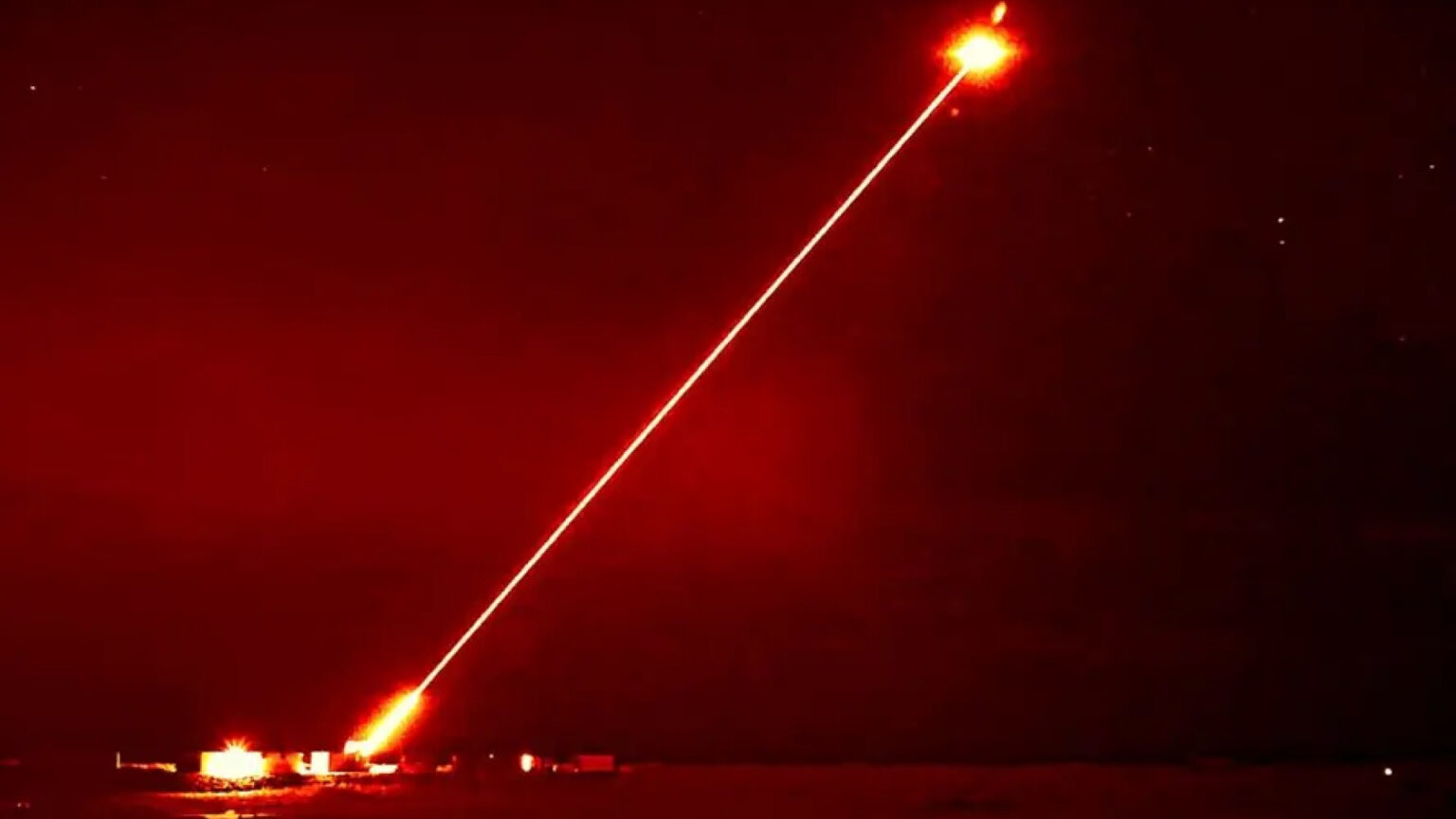
Directed Energy Weapons (DEWs), once confined to science fiction, are now a growing feature of modern arsenals. Using lasers, microwaves, or sound, these systems offer speed-of-light engagement, precision, and scalable force. As battlefield demand rises rapidly, so do questions about ethics and legality surrounding these technologies. This article explores their history, current deployment, controversies, and the legal vacuum surrounding their use.
1. Understanding Directed Energy Weapons1.1 Definition
Directed Energy Weapons (DEWs) are systems that emit focused energy, such as electromagnetic waves, particles, or acoustic energy, to damage or incapacitate targets without the use of traditional projectiles. These weapons operate at the speed of light (or sound), offering rapid engagement capabilities against a variety of threats. [source]
1.2 Historical Developmenta. Ancient Innovations
The concept of using focused energy as a weapon dates back to antiquity. A notable example is the legend of Archimedes’ heat ray during the Siege of Syracuse (c. 213–212 BC), where mirrors were purportedly used to concentrate sunlight and set attacking Roman ships ablaze. While historical accounts are sparse and the practicality of such a device remains debated, modern experiments, including those by MIT students, have demonstrated that under ideal conditions, concentrated sunlight can ignite wooden targets, lending some credibility to the ancient tale. [source, source]

Artistic interpretation of Archimedes’ mirror used to burn Roman ships. Source: Painting by Giulio Parigi, c. 1599, Wikipedia.
b. Early 20th Century Developments
In the 1930’s, the British Air Ministry explored the feasibility of a “death ray” to incapacitate enemy aircraft. Physicist Robert Watson-Watt concluded that such a weapon was impractical with existing technology. However, his research led to the development of radar, a revolutionary system that used radio waves to detect aircraft, significantly enhancing Britain’s air defence capabilities during World War II. [source]
c. World War II Experiments
During World War II, both Axis and Allied powers investigated various forms of directed energy weapons. German engineers developed a sonic cannon designed to emit low-frequency sound waves causing disorientation and nausea in humans. Although the weapon showed some effects in controlled environments, it proved ineffective and vulnerable in combat situations. Additionally, Nazi Germany pursued X-ray beam weapons, such as the Rheotron and the Röntgenkanone, aiming to disrupt aircraft engines. These projects remained experimental and were never operationally deployed. [source, source]
d. Cold War and Beyond
The Cold War era saw continued interest in DEWs, particularly with the U.S. Strategic Defense Initiative (SDI) announced in 1983. Nicknamed “Star Wars,” the SDI aimed to develop space-based laser systems to intercept incoming ballistic missiles. While the program faced technical challenges and was eventually scaled back, it spurred significant research into laser and particle beam technologies. [source]
In more recent conflicts, such as the Iraq War, reports have surfaced about the use of electromagnetic weapons to disrupt enemy electronics and communications. However, detailed information on these applications remains limited and often classified. [source]
1.3 Advantages Over Conventional Weapons
- Speed and Precision: DEWs engage targets almost instantaneously, allowing for precise targeting with minimal collateral damage.
- Cost-Effectiveness: Once developed, DEWs can offer a lower cost per engagement compared to traditional munitions. For example, the British Army’s new radio frequency weapon reportedly costs just USD $0.13 per shot.
- Logistical Benefits: Reduced reliance on ammunition supply chains simplifies logistics and resupply efforts.
- Scalability: DEWs can be adjusted for varying levels of force, from non-lethal to destructive, depending on mission requirements.
1.4 Challenges and Considerations
- Power Requirements: High energy consumption necessitates robust power sources, which can limit deployment options.
- Environmental Factors: Atmospheric conditions, such as rain or dust, can affect the performance of certain DEWs, particularly lasers.
- Legal and Ethical Implications: The deployment of DEWs raises questions under international law, especially concerning non-military use and potential misuse.
2. Types of Directed Energy Weapons
Directed Energy Weapons (DEWs) encompass a range of technologies. The primary types include:
2.1 High-Energy Lasers (HELs)
High-Energy Lasers (HELs) offer precision targeting at the speed of light, making them effective against fast-moving threats like drones and missiles. They provide a virtually unlimited magazine and low cost per shot. However, their performance can be degraded by atmospheric conditions such as rain, fog, or dust, which scatter the laser beam and reduce its effectiveness. [source]
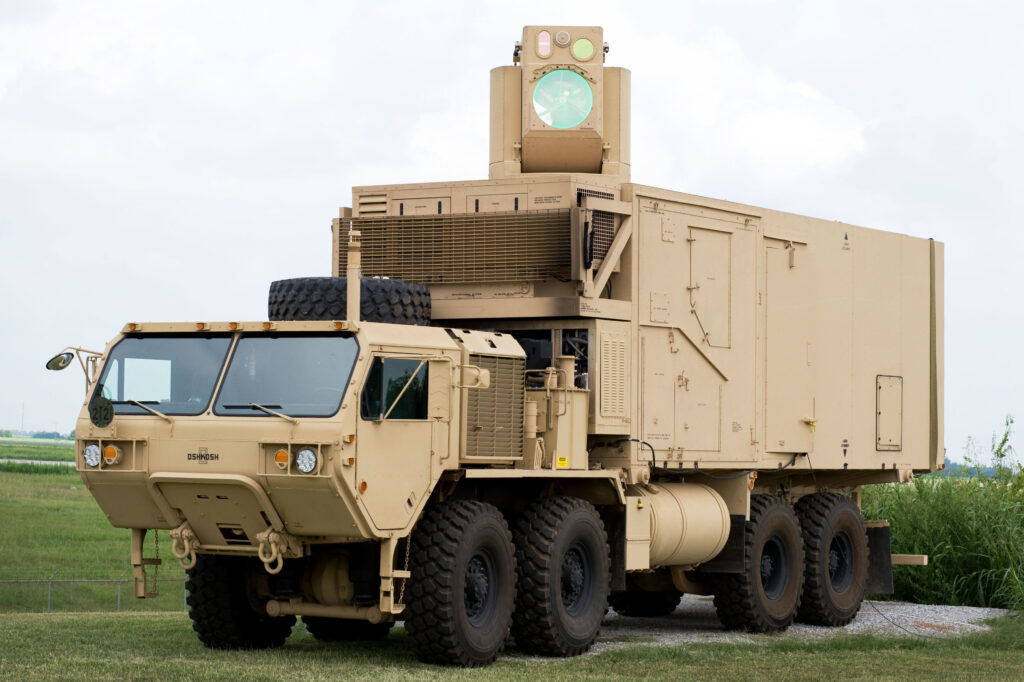 High Energy Laser Weapon mounted on a a U.S. army tactical vehicle. Army photo.2.2 High-Power Microwaves (HPMs)
High-Power Microwave (HPM) weapons emit bursts of electromagnetic energy to disrupt or destroy electronic systems. Unlike HELs, HPMs are less affected by weather conditions and can engage multiple targets simultaneously over a wide area. However, they generally have a shorter range and their effectiveness diminishes over distance. [source]
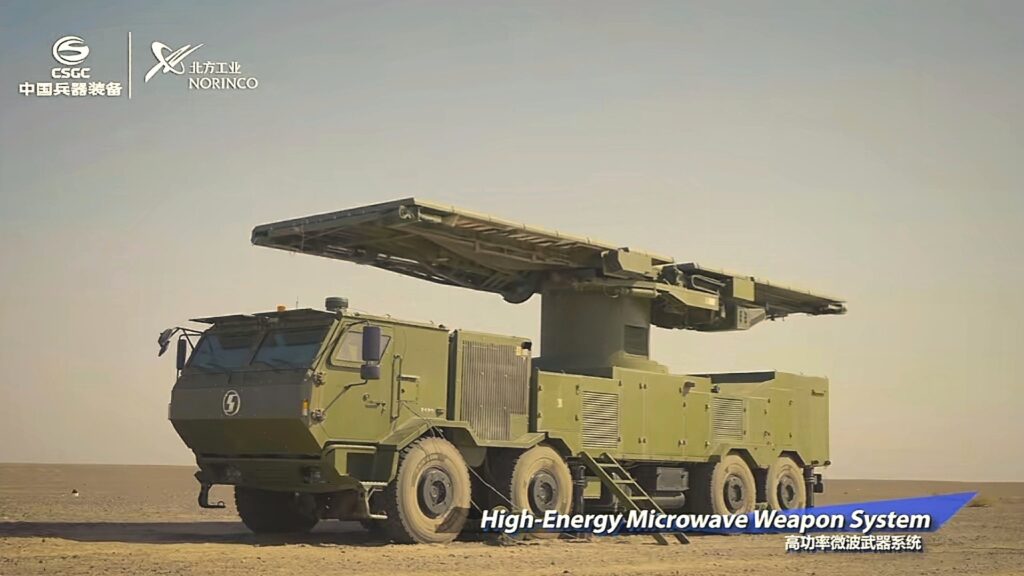
Chinese firm Norinco‘s High-Power Microwave Weapon. Image sourced from X.
2.3 Millimetre Wave Weapons
Millimetre wave weapons, such as the Active Denial System (ADS), operate at frequencies around 95 GHz to produce a burning sensation on the skin, serving as a non-lethal means for crowd control and area denial. The energy penetrates only the outermost layer of skin, minimising the risk of permanent injury. However, prolonged exposure or use on vulnerable populations can lead to significant injuries. [source]
2.4 Particle Beam Weapons
Particle beam weapons accelerate charged or neutral particles to high velocities, delivering destructive energy upon impact. They offer strong penetration capabilities and can operate in all weather conditions. Nevertheless, the technology is highly complex, requiring substantial power and sophisticated systems to generate and control the particle beams, which has limited their practical deployment. [source]
2.5 Space-Based Directed Energy Applications
Directed energy technologies are being explored for space applications, including missile defence, satellite interception, and spacecraft propulsion. For instance, NASA’s DEEP-IN (Directed Energy Propulsion for Interstellar Exploration) concept aims to use laser propulsion to achieve rapid interplanetary travel. Additionally, space-based lasers could potentially intercept or disable satellites and deflect hazardous asteroids. |source, source]
2.6 Acoustic/Sonic Weapons
Acoustic or sonic weapons, often referred to as long-range acoustic devices (LRADs), sound cannons, sonic bullets, or noise bazookas, emit intense sound waves capable of travelling over extended distances. These systems may transmit painful audible or inaudible frequencies, or function as high-powered amplifiers to project voice commands or other audio signals. [source]
3. Deployment of Directed Energy Weapons3.1 Military Applicationsa. United States
The U.S. military has been actively integrating directed energy weapons (DEWs) into its arsenal. The U.S. Navy’s Arleigh Burke-class destroyer, USS Preble, successfully tested the High Energy Laser with Integrated Optical-dazzler and Surveillance (HELIOS) system against drones in 2024. This marks a significant advancement in naval laser weaponry. [source]
The U.S. Army has also been developing the Directed Energy Maneuver-Short Range Air Defense (DE M-SHORAD) system, designed to protect against unmanned aerial systems (UAS), rockets, artillery, and mortars. This system offers a cost-effective solution, with each shot costing approximately the price of a gallon of diesel fuel, compared to expensive missile interceptors. [source]
b. China
China has publicly displayed multiple DEW prototypes, including the truck-mounted Hurricane-3000 and Silent Hunter laser, and is the most advanced in the HPM race. Though not yet operational, these systems are undergoing extensive testing and are expected to support China’s layered counter-drone strategy. [source, source]
c. United Kingdom
The UK has made significant strides with its DragonFire laser weapon system. In January 2024, DragonFire successfully engaged aerial targets during tests in Scotland. The Ministry of Defence plans to deploy this system on four Royal Navy destroyers by 2027, highlighting its commitment to integrating DEWs into its defence strategy.
Additionally, the UK’s Radio Frequency Directed Energy Weapon (RFDEW) has demonstrated capabilities in neutralising drone swarms. In April 2025, the British Army used the RFDEW to disable over 100 drones in a single engagement, showcasing its effectiveness in counter-UAS operations. [source]
d. Russia
Russia has invested in systems like the Peresvet laser, officially in service since 2017, reportedly designed for anti-satellite or missile-blinding operations. The Zadira weapon is also used to disable drones, particularly in Ukraine. Public details are limited, and much of the programme remains classified. [source]
e. India
India’s Defence Research and Development Organisation (DRDO) has been developing the Integrated Drone Detection and Interdiction System (IDD&IS) Mk2A, a 30 kW directed-energy weapon. In April 2025, this system successfully destroyed a Chinese drone near the Line of Control, demonstrating its operational capability in border security. [source]
DEWs now concentrate an important part of military investments worldwide and multiple other countries are developing their own DEW systems, including Israel, Turkey, South Korea, France, Germany and Pakistan.
3.2 Law Enforcement and Non-Military Use
Directed energy technologies are also being explored for law enforcement applications. The U.S. Department of Defense’s Non-Lethal Weapons Program has been developing systems like the Active Denial System (ADS), which uses millimetre-wave technology to disperse crowds by inducing an intolerable heating sensation on the skin. While primarily intended for military use, such technologies have potential applications in riot control and perimeter security. [source]
However, the deployment of DEWs in civilian contexts raises ethical and legal considerations. Concerns about safety, potential misuse, and the need for clear operational guidelines are central to discussions about their adoption in law enforcement. Ongoing research and policy development aim to address these issues to ensure responsible use. [source]
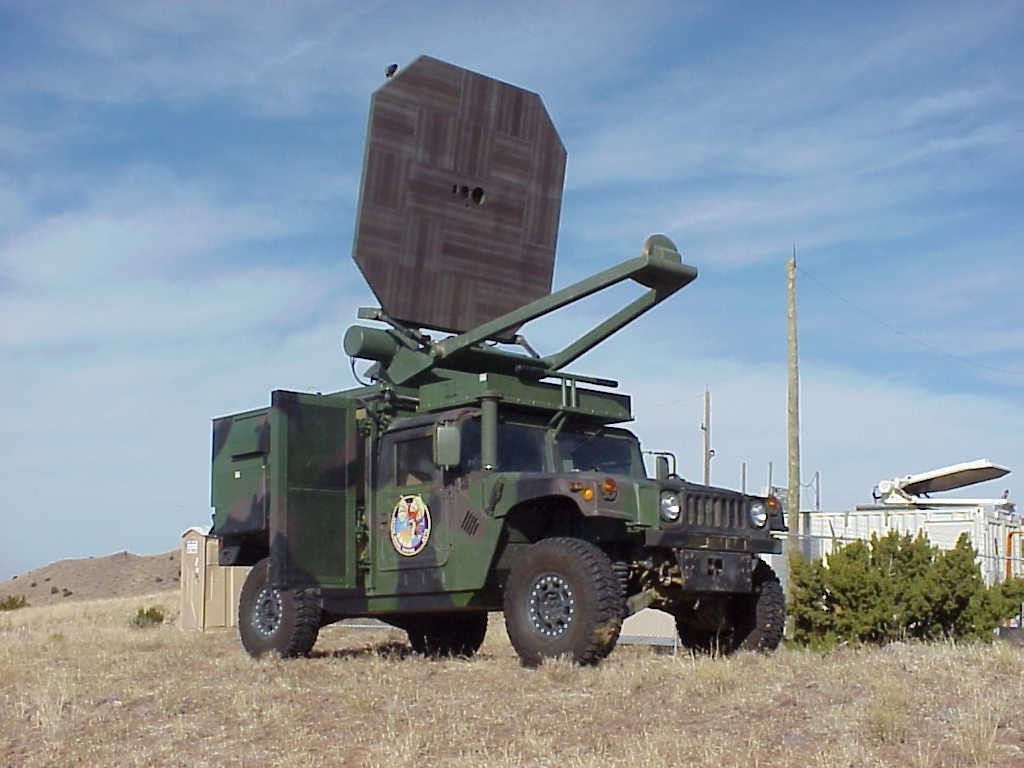
Active Denial System mounted on Humvee vehicle, U.S. army.
4. Incidents and Allegations4.1 Havana Syndrome: A Global Puzzle
Since 2016, U.S. and allied personnel stationed in Havana, Vienna, Moscow, and other locations have reported unexplained health incidents, ranging from intense cranial pressure and tinnitus to long-term neurological effects. The National Academies of Sciences concluded in 2020 that pulsed radio-frequency energy was a plausible cause, possibly implicating directed energy weapons. [source, source]
A 2024 U.S. intelligence review, however, judged it “very unlikely” that a foreign adversary caused the syndrome using DEWs, although two agencies disagreed, maintaining low-confidence assessments that some incidents could involve such weapons. Investigative journalists have since linked Russia’s military intelligence unit 29155 to suspicious activity near some reported cases, though no definitive evidence has emerged. [source, source]
4.2 Serbia: Alleged Use of Sonic Weapons During Protests
On 02 April 2025, during anti-government demonstrations in Belgrade, multiple protesters reported experiencing intense, high-pitched sounds that caused ear pain, nausea, and disorientation. Witnesses described the sound as “unnatural,” sparking speculation about the use of acoustic weapons. Although the Serbian government denied deploying any such device, it acknowledged possessing crowd-control tools with acoustic capabilities. Human rights groups have called for an independent inquiry into the incident. [source]
4.3 United States: DEW Consideration for Domestic Crowd Control
During the June 2020 protests in Washington, D.C., U.S. military officials reportedly considered deploying the Active Denial System (ADS), a millimetre-wave weapon that causes a painful heating sensation on the skin. Though the system was not ultimately used, its near-deployment raised serious concerns about the militarisation of law enforcement and the legal framework surrounding non-lethal DEWs in civilian contexts. [source]
4.4 Wildfire Conspiracies: DEWs as Online Scapegoats
Viral images and fringe narratives have falsely claimed that DEWs were used to start wildfires in California and Hawaii in early 2025, pointing to burn patterns or light beams as supposed evidence. However, fire experts and satellite analysts have repeatedly debunked these claims, attributing the fires to extreme weather and failing infrastructure. To date, there is no credible evidence that DEWs have been used to initiate wildfires. [source]
5. Future Outlook and Ethical/Legal Framework5.1 DEW Market Forecast
Directed Energy Weapons (DEWs) are rapidly moving from prototype to deployment. According to Zion Market Research, the global DEW market was valued at USD $6.39 billion in 2023 and is projected to reach USD $31.75 billion by 2032, representing a nearly five-fold increase in less than a decade. This surge is driven by mounting military demand for cost-effective and fast-response systems capable of disabling drones, missiles, and sensors without explosive force. [source]
Major powers including the United States, China, Russia, the United Kingdom, and India are investing in field-ready laser and microwave weapons. These include ship-mounted systems like HELIOS, ground-based platforms like DragonFire and ALKA, and airborne laser interceptors under development in Israel and France. The accelerating global arms build-up shows no sign of regulatory pause or restraint.
5.2 Escalating Proliferation Without Legal Constraints
Unlike nuclear, chemical, or biological weapons, governed by robust international treaties, DEWs operate in a legal grey zone. Existing arms control frameworks, such as the Geneva Conventions, Protocols on Blinding Laser Weapons (1995), and the Convention on Conventional Weapons (CCW), provide only limited applicability to DEW technologies. For example, the 1995 protocol prohibits blinding laser weapons specifically designed to cause permanent blindness, but this does not extend to dual-use systems or those intended for temporary effects. [source, source]
The absence of a dedicated international legal regime thus allows states to develop and deploy DEWs without clear regulatory oversight. Current objections against DEWs often rely on ambiguous, outdated legal texts or by conflating them with historically banned weapons. DEWs are increasingly perceived by armies as legally usable, and more ethically palatable than conventional kinetic options, particularly in urban or hybrid warfare settings. Moreover, despite tactical advantages, ethical controversies persist. Non-lethal DEWs, such as ADS, have been criticised by human rights groups for their potential to cause pain, panic, and psychological trauma, especially when used in crowd control or ambiguous combat zones. Allegations of misuse, such as in the Havana Syndrome cases, further complicate their reputation. [source, source]
Conclusion
Directed Energy Weapons are escalating rapidly, with a quintuple market size increase by 2032. They offer unmatched speed, precision, and scalability, and are being tested or deployed by most military major powers. As DEWs move toward battlefield normalisation, there is an increasing need for international dialogue and regulatory frameworks. Without such efforts, their use may outpace our ability to govern them.