
Oenology, the science and study of winemaking, plays a crucial role in the development and quality assurance of the wine industry. An oenologist is a professional holding a specialised degree in Viticulture and Oenology, which combines expertise in agriculture, biology, chemistry, and business.
This scientific field involves practical training in vineyards and wineries, covering topics such as plant physiology, soil science, wine chemistry, quality control, agronomy, genetics, crop production, microbiology, grapevine protection, and sustainability. Oenologists qualify for professional roles such as winemakers, vineyard managers, quality control specialists, or consultants in the wine and beverage industry.
In Malta, the National Viticulture and Oenology Centre, located in Buskett, serves as a key institution supporting the local wine industry. Established in 2020 within premises that previously functioned as a research centre on vines and wine, the centre provides essential services to grape growers and wineries. One of its primary responsibilities is the certification of Maltese DOK (Denominazzjoni ta’ Oriġini Kontrollata) and IĠT (Indikazzjoni Ġeografika Tipika) wines. This process involves field monitoring and wine sampling to ensure traceability and adherence to quality standards, from the vineyard to the bottle.
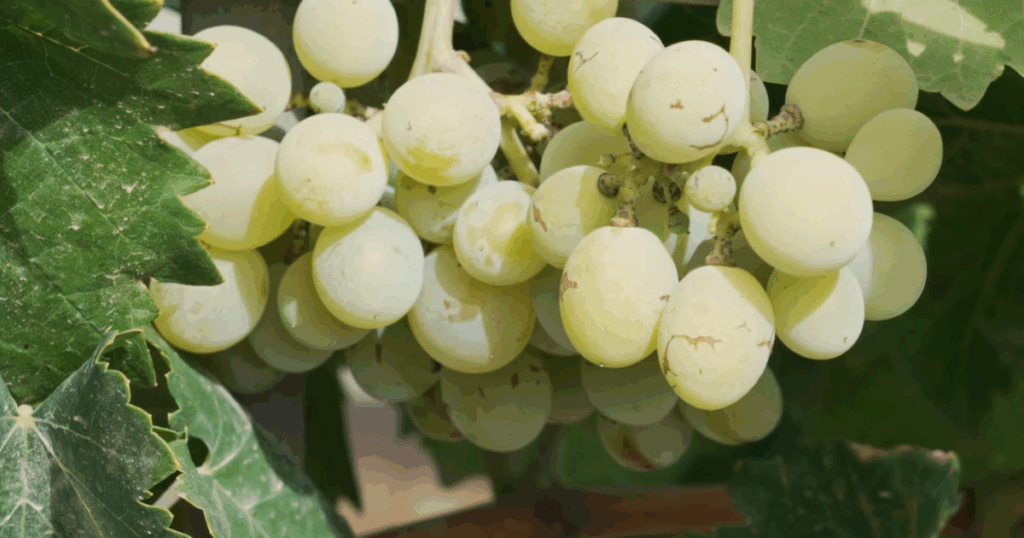
The centre is also engaged in research focused on Maltese autochthonous grape varieties. A national collection vineyard is being developed to preserve and study native grape varieties, some of which were historically cultivated but are no longer commercially cultivated. In addition to the well-known Girgentina and Ġellewża varieties, the centre cultivates lesser-known grapes such as Ġennaruwa and Marsusa s-Sewda and other varieties that originated in Malta but were never cultivated on commercial basis. These studies aim to evaluate the production potential and agronomic characteristics of these varieties, providing valuable data for local vine growers and wineries while contributing to the preservation of Malta’s viticultural heritage.
Furthermore, a small winery complements the centre facilities. The winery, besides the usual fermentation, bottling and storing areas also includes an oenological laboratory to enable grape or wine analysis on site. Such setup permits that micro-vinification(small-scale wine production) can be performed and used to assess the characteristics of these indigenous varieties. Some other wines are also produced and analysed as part of European Union initiatives to safeguard the authenticity and geographical origin of marketed wines.
With growing consumer interest in local and niche products, the work of an oenologist and researchers at the National Viticulture and Oenology Centre continues to be instrumental in enhancing the quality and recognition of Maltese wines, ensuring both innovation and tradition remain at the heart of the industry.