
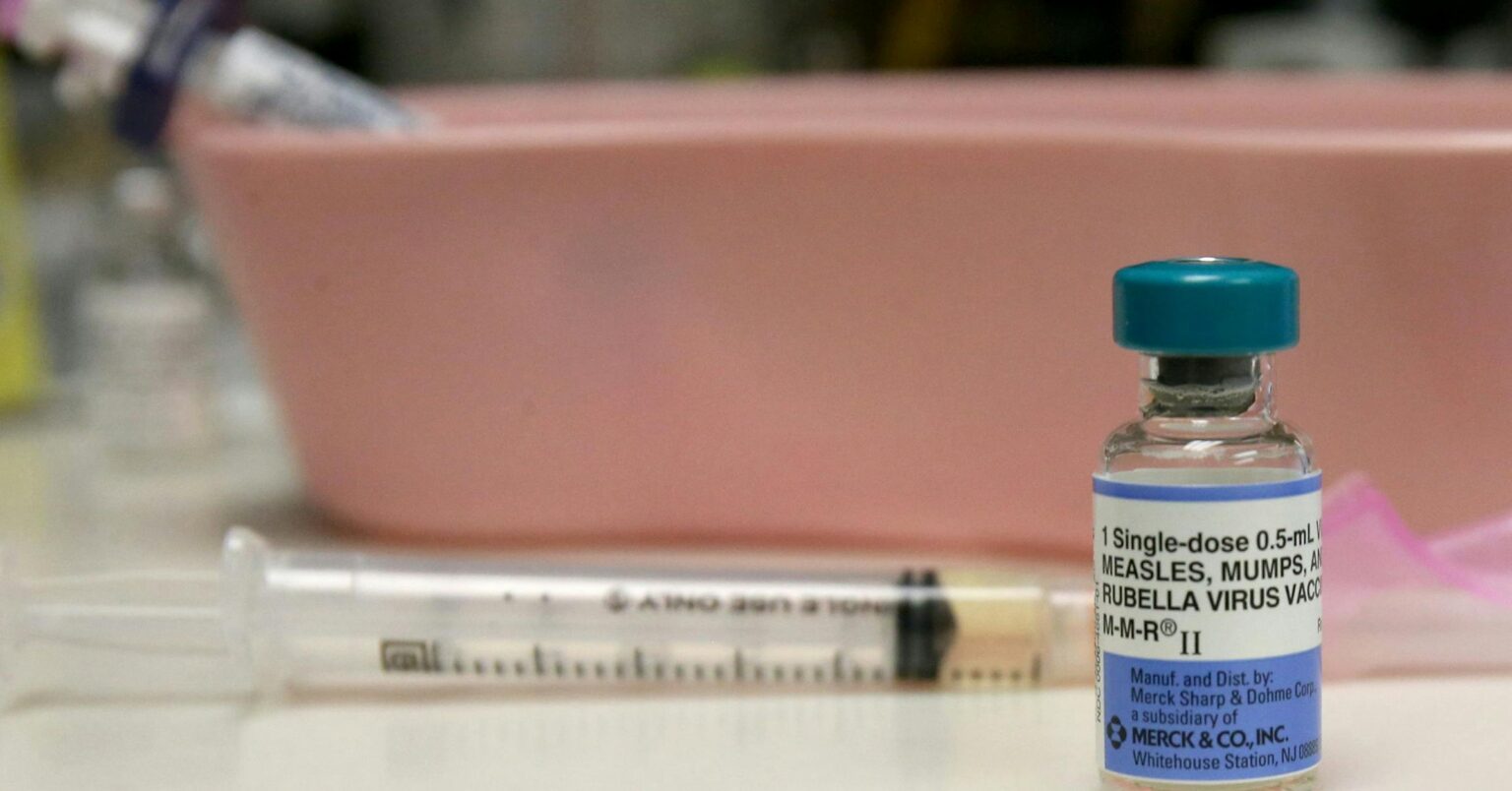
Our recent study painted a grim picture of not just the shortfall in overall measles vaccine coverage but also stark vaccine inequities in our state. Measles vaccine uptake in Minnesota varies substantially by demographic category. While it is recommended that children in the U.S. get their first dose between 12 and 15 months of age, only about 30% of children born in Minnesota to Somali parents had received the first dose of vaccine by age 24 months. This will leave them highly vulnerable to measles infection as they begin their toddler years and their social contacts increase. Indeed, Minnesota has seen several notable measles outbreaks, particularly affecting the East African communities, since 2010.
Our prior research delved into the wariness about the MMR vaccine, which has persisted for over a decade since Minnesota’s Somali community was aggressively targeted by misinformation about the roundly proven-false claim that the vaccine caused autism. We can see in the numbers how devastating this misinformation was, given that before 2010 (just before the misinformation campaign arrived), Somali-Minnesotan children were more likely than the general Minnesotan population to be up to date on MMR.
Further, families’ vaccine doubt, even when it begins with misinformation about a particular vaccine, appears to bleed to having hesitancy about other vaccinations, as we have observed drops in coverage in the East African populations for other, non-MMR vaccines. However, we know that these communities can be reached when vaccines are accessible and when outreach and education on the value of vaccines comes from trusted sources that represent the communities in need. In our own research, East African women told us that when making decisions about vaccines for their families, they valued direct and clear communication about their concerns in culturally appropriate ways.
This is why we are so appalled at the blindsiding cuts to the Minnesota Department of Health that were triggered by Trump administration slashes in federal funding to states. This resulted in the jettisoning of large numbers of staff who were steadfastly working to monitor vaccination and infectious disease outbreaks, and to develop approaches to protect all of our Minnesota communities. Vaccine clinics that were reaching people in underserved communities were cut, making coverage across all communities seem to be an insurmountable challenge at the moment.
Unfortunately, these issues are not isolated to MMR. We believe access to all vaccines is threatened. Last week it was reported that the Food and Drug Administration (FDA) is poised to enact a policy that will ban many children and adults from getting COVID-19 vaccines. This action is being taken despite these vaccines offering protection against severe disease and having been established as safe to receive.
While there will always be challenges that our communities face, the uncontrolled spread of vaccine-preventable disease should not be one that Minnesota deals with at present. Vaccines are indispensable; it is critically important for our state to get back on track with supporting protecting everyone with vaccination.