
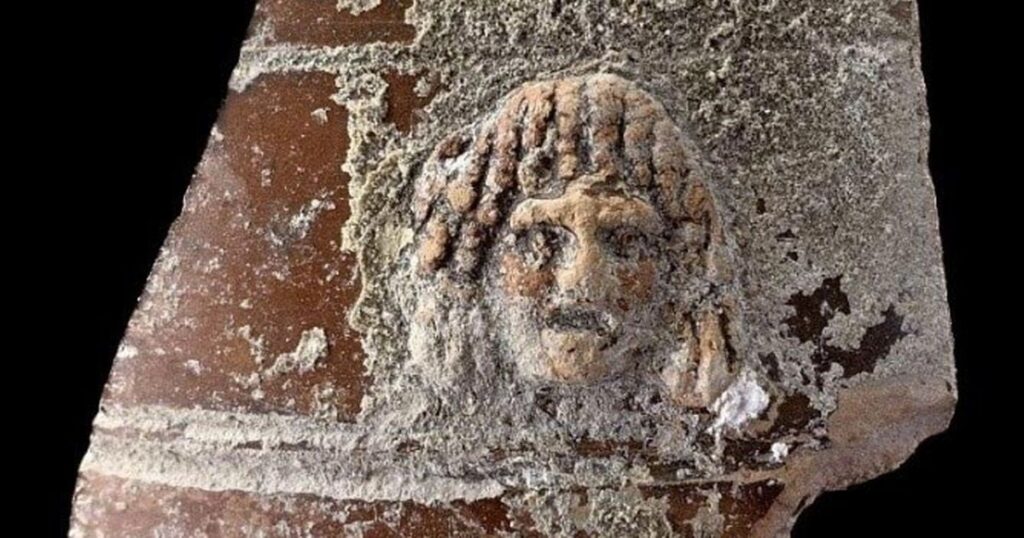
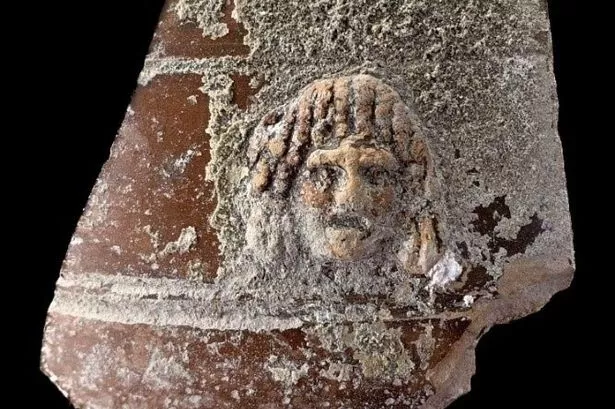
 Archaeologists uncovered several incomplete busts and statues from the site(Image: Greek Ministry of Culture )
Archaeologists in Greece discovered an ancient sculptor’s workshop, which may provide a rare glimpse into what daily life was like during the Hellenistic period.
Teams found the 3,000-year-old Hellenistic marble workshop during a dig on Paros, part of the Cyclades island group in the Aegean Sea.
In Ancient Greek times, Paros was renowned for supplying much of the marble that was used to create Greece’s famous temples, monuments and statues.
READ MORE: Queen’s Brian May leaves fans in ‘tears’ after making emotional announcementREAD MORE: Jordan Spieth left in no doubt by mega-rich caddie as they disagree again at Memorial
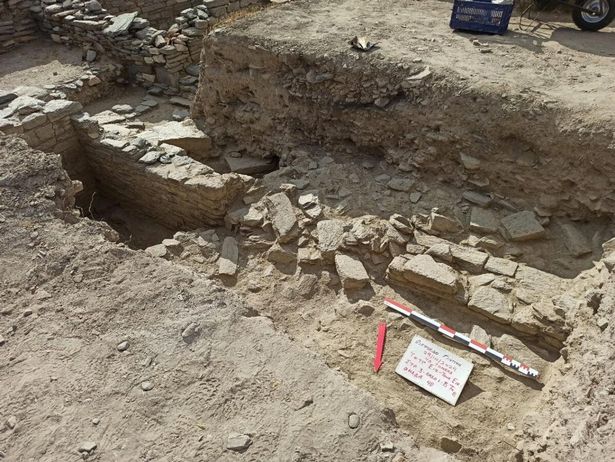 Excavation on the site first began in the mid-1980s(Image: Greek Ministry of Culture )
The quarries on the island were particularly sought-after because of the marble’s pure white color, semi-translucence and fine grain. Parian marble, as the product was called, has even been used to create artistic masterpieces like the Venus de Milo.
But Paros wasn’t just rich in natural resources — it was renowned for its artistry and culture. During a dig at a site in Floga, Parikia, archaeologists uncovered a vast number of unfinished marble statues.
All of them are evidence of the organized production of artwork that took place in an ancient sculpture workshop, the Greek Ministry of Culture said.
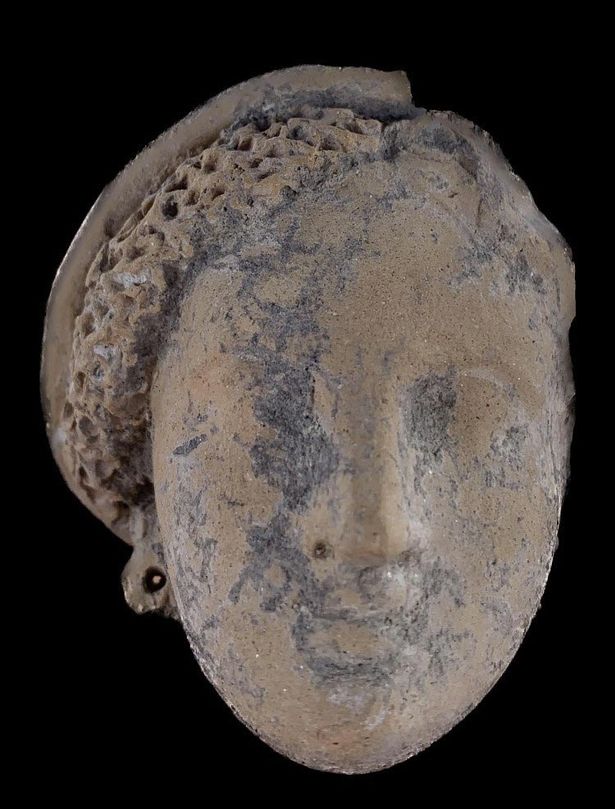 Most of the incomplete busts were of female figures, including the goddess Aphrodite(Image: Greek Ministry of Culture )
Overseeing the dig was the Cyclades Archaeological Society, which is directed by Sofia Detoratou. The first contemporary excavations were conducted in the mid-1980s, and there have since been more recent digs in 2008 and 2013.
Evidence suggests settlements in the region as early as the late 5th century B.C.E., with fragments of eating and drinking vessels unearthed at the scene that date back to that time period.
The residential nature of the settlement seemed to adapt to include the production of sculptures by the end of the 3rd century B.C.E. Several unfinished marble sculptures were found, mostly of the goddess Aphrodite.
There were also clay heads of many other female figures as well as other molds and seals. A thick layer of marble fragments and dust was present, too, suggesting a byproduct of carving.
The findings suggest that Paros didn’t just supply the raw material for other Ancient Greek art but that the island was helping to shape the aesthetics of all of Greek civilization.
A room with a pebbled floor and mural was also uncovered during the dig. It was likely a gathering space for men known as an andron.