
KANAWHA COUNTY, W.Va. (WCHS) — Lead poisoning is often heard about across the country; as it’s a natural metal found in everyday products.
“Is it the lead-based paint in the houses? Is it the pipes? Are they toys? Is it candy? There could be a lot of different sources. And I think over time that’ll kind of change how we look at it, how we tackle this issue,” epidemiologist Kanawha-Charleston Health Department Daniel Barker said.
However, up to 800 million children have blood lead levels at or above 5 micrograms; however, nearly half of these children live in South Asia.
Eyewitness News sat down with epidemiologist Daniel Barker from the Kanawha-Charleston Health Department to see what we are finding in West Virginia.
“The metal that can be contaminated in the body. Really small amounts won’t really affect you, but really large amounts, especially while the human body is growing, can be very detrimental,” Barker said.
Barker says it’s most common for children to get exposed to lead if they live in or visit older structures built before 1978, making it a hot topic for West Virginia.
“In other states, when you see homes that were made before 1979 or even 1960, you see really high blood lead levels in the children. And we’re a state where we have a lot of homes that were built before then, about 50% before 1979,”Barker said.
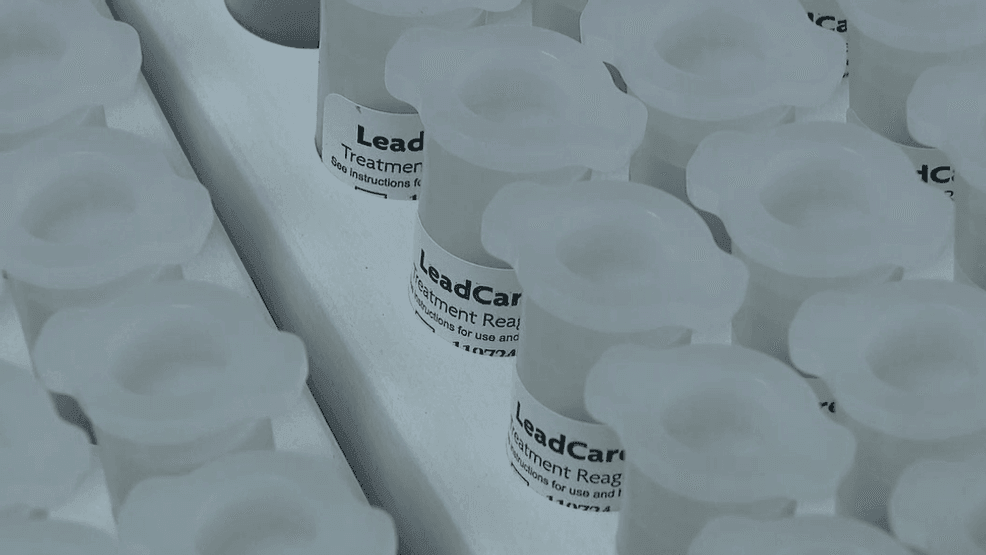
The health department is now conducting lead testing with organizations like WIC for children five years old and under to see if they are finding any trends with just a simple prick test.
Lead poisoning can be symptomless or cause things like vomiting, abdominal pain, or irritability.
“I think that’s really what we want to determine with these testing events here, because we have very little data in the state and even the county in general over what are the lead levels in children, Barker said.
Data from the CDC show that lead poisoning in a child can cause several issues.
Barker says this is why they hope to find these issues at an early age.
“It’s recommended for kids age five and under. Really, we only test kids because kids are the most at risk of developmental delay and other neurological issues with lead poisoning,” Barker said.
Though lead can be found in many places in a child’s environment, the Kanawha-Charleston Health Department says it’s preventable.
They also will work to make sure each West Virginia family is safe.
“It’s a really big issue if it’s not caught. If it is caught early, then you can usually find the source and escape a lot of the ill effects from it, it, “Barker said.
If you suspect lead exposure with your child, you’re urged to call poison control.