
From Collateral to Participants: Bosniaks and Kosovo–Serbia Normalization

Express newspaper
09/06/2025 9:38
Bosniaks are not collateral for dialogue. They are citizens of the Republic of Kosovo. And it is time for them to have their rightful place at the tables where the future of the country is decided. On issues related to education, local self-government, public services or linguistic and cultural rights, Bosniaks should be at the table – not on its margins.
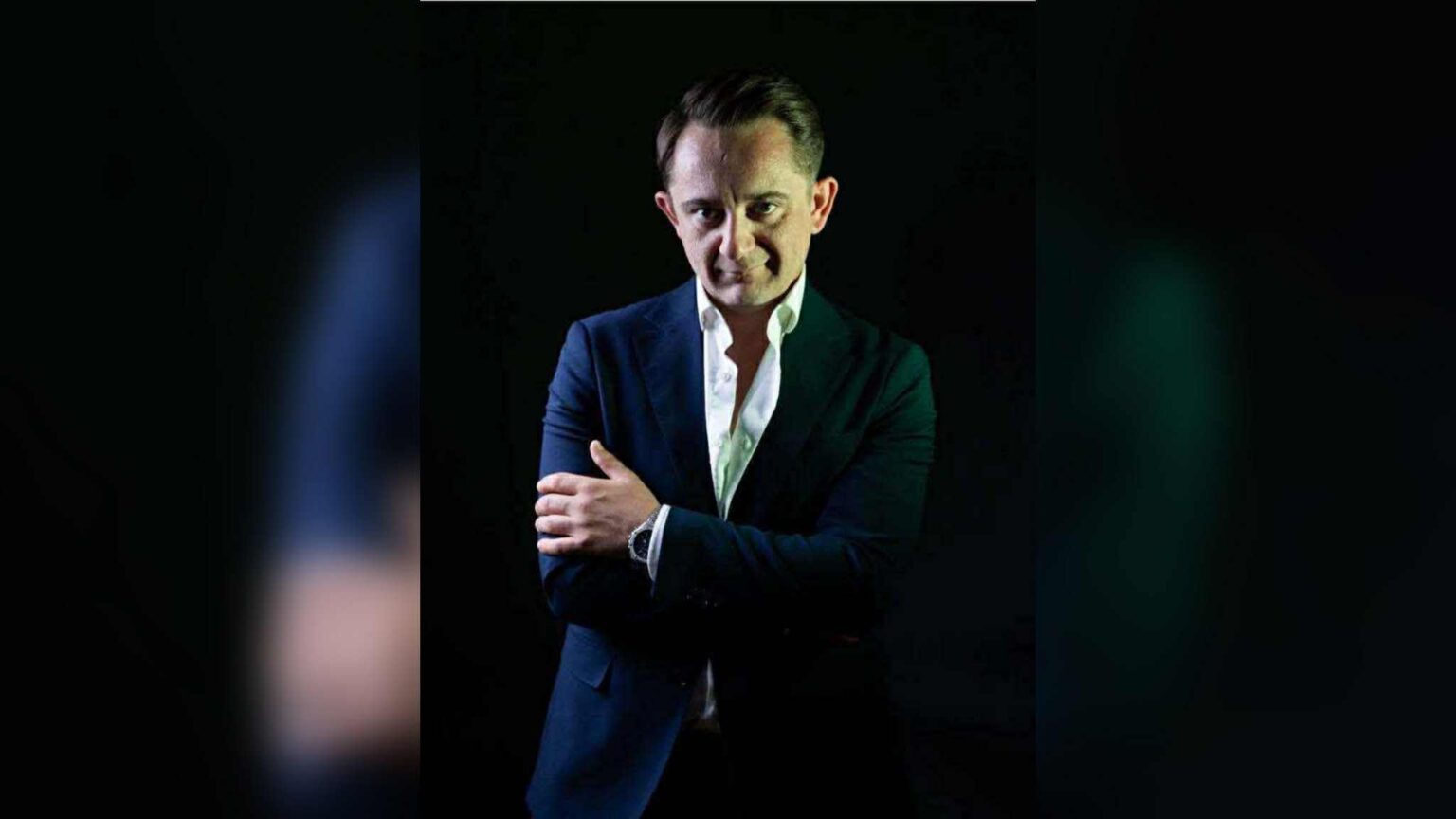
Written by: Haris Alija
For more than a decade, the dialogue between Kosovo and Serbia in Brussels has been presented as the path to normalization, as the bridge that will connect the future of the two countries on new grounds. But while the spotlight has focused almost exclusively on Albanian-Serbian relations, the voices of other communities – such as the Bosniaks – have remained in the shadows. They have never been called to the table. They have not been mentioned in any agreement. But every agreement affects them too.
Bosniaks are the third largest community in Kosovo. They live in all parts of the country from Prizren to North Mitrovica. And yet, in the political discourse, in the decision-making processes and especially in the framework of dialogue, they do not exist. They are invisible.
When dialogue stalls, as it often does, the consequences are felt most keenly by small communities. Institutions are blocked. Public services do not function. The state fails to penetrate where it is most needed. In northern Kosovo, over 15 Bosniaks once lived. Today, this number has dwindled to less than a thousand. Many left in previous years due to threats from parallel structures, but today they are fleeing out of hopelessness. There is no Bosnian-language school. Development is blocked. Employment is minimal. They are citizens of the country, but they feel like strangers in their own home.
If a new institutional structure is formed, such as the Association of Serb-majority Municipalities, a legitimate question arises: what happens to the Bosniaks living in those municipalities? Who will represent them? Who will protect their rights in a mechanism that did not include them from the start?
Moreover, the feeling of exclusion has rooted apathy and distrust. Many Bosniaks no longer see meaning in voting, in institutions, or in political promises. The youth are leaving because they see no future in a system they do not recognize. And this is not just a loss for them, it is a loss for all of Kosovo.
The state of Kosovo is built on the principles of equality, pluralism and inclusion. It is proud of its multiethnic identity. But this identity cannot remain only in constitutional documents or diplomatic brochures. It must be translated into real participation. In equal opportunities. In active representation in key processes, including in the dialogue with Serbia.
Therefore, it is time for the voice of Bosniaks to be heard. Not for the sake of a politics of balance, but for the sake of justice. Dialogue cannot be complete without those who live its reality every day. Agreements that affect the lives of small communities cannot be made without their presence and consent. On issues related to education, local self-government, public services or linguistic and cultural rights, Bosniaks should be at the table, not on its margins.
Bosniaks are not asking for favors. They are not asking for special treatment. They are asking for something simpler: to be included. to be heard. to be treated as an integral part of the state they call home. And this is not just their issue. This is an issue of Kosovo’s democracy.
Long-term peace and stability cannot be built on bilateral agreements while entire communities feel invisible. Democracy cannot function if it is not inclusive. Representation cannot be legitimate if it is selective. If Kosovo wants to be a European state, it must prove that it is also a state of every one of its citizens without distinction.
Bosniaks are not collateral for dialogue. They are citizens of the Republic of Kosovo. And it is time for them to have their rightful place at the tables where the future of the country is decided. Because without them, without all of us, this country cannot build a just, equal and common future.
(Haris Alija is, Photojournalist and filmmaker, works at Radio Television of Kosovo (RTK). This publication was made possible within the framework of the project “Dialogue, Solution, Future”, with the support of Ministry of Foreign Affairs of the Federal Republic of Germany, implemented by the New Social Initiative (NSI) and the Musine Kokalari Institute for Social Policy. The content does not necessarily reflect the views of the Ministry of Foreign Affairs of the Federal Republic of Germany).
aaaaa