
Friday, June 20, 2025

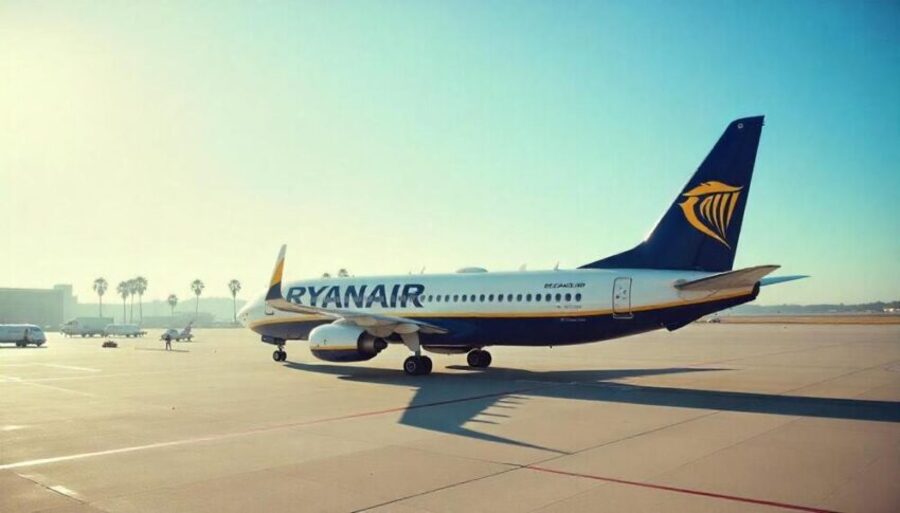
A Ryanair Boeing 737 operating a scheduled flight from London Stansted to Kalamata International Airport in Greece sustained visible wing damage after making contact with a ground structure during taxiing on June 18, 2025. The incident followed a flight marked by turbulence and a challenging descent into the coastal city.
Severe Turbulence Leads to Unsteady Arrival
The aircraft departed London in the morning and encountered considerable turbulence as it neared the Peloponnese region of southern Greece. The aircraft shook violently during the final approach, causing discomfort among passengers. Despite the unstable descent, the jet landed safely on the runway at Kalamata.
Taxiing Deviation Results in Collision
Shortly after touchdown, while taxiing to the terminal, the aircraft drifted off its expected path and struck a red-and-white ground barrier located near the taxiway edge. The collision occurred on the starboard side of the aircraft and caused structural damage to the wingtip.
Photos taken after the incident show that the wing’s metal edge was bent and torn, indicating a substantial impact. The aircraft remained grounded at the location temporarily as safety crews moved in to evaluate the extent of the damage and determine whether any additional threats, such as fuel leaks or fire risk, were present.
Cabin Kept Secure as Crews Conduct Inspections
Passengers were instructed to remain seated with seatbelts fastened as ground staff carried out emergency inspections. Despite the wing’s visible damage, no immediate signs of fire, smoke, or further danger were detected. As a result, a full evacuation was not initiated.
The aircraft proceeded cautiously to its designated parking bay, where passengers disembarked using standard procedures. All travelers exited the aircraft without injury.
Airline Statement and Aircraft Maintenance
Ryanair confirmed that one of its aircraft experienced a taxiway incident involving minor contact with a barrier upon arrival in Kalamata. The airline also clarified that there were no injuries and that all safety protocols were followed.
After passengers disembarked, the aircraft underwent a detailed technical assessment in accordance with aviation maintenance standards. The damaged wingtip was repaired, and the aircraft was returned to operational condition. It resumed flight duties later that day with a return leg to London.
Questions Raised About Ground Safety and Turbulence Handling
The incident has prompted renewed attention on airport ground movement safety and turbulence management. While in-flight turbulence is a well-understood challenge for aviation crews, ground collisions during taxiing remain rare and often stem from external layout or misjudgments in tight spaces.
In this case, the combination of a rough approach and the subsequent barrier collision created an unusual chain of events that sparked discussion within aviation circles. Passengers questioned the delay in emergency response and the lack of an evacuation despite the damage being clearly visible.
Though there is no formal investigation underway at this time, the situation has added to broader concerns regarding communication between the cockpit and passengers during post-landing incidents, especially when damage is apparent and perceived risk is high.
Aircraft Restored to Service with No Flight Cancellations
Following repairs, the aircraft was declared airworthy and resumed its flight schedule without interruption. The airline did not report any changes to its operations as a result of the incident. Ground crews and safety inspectors confirmed that the aircraft met all requirements before returning to the air.
No passenger injuries were recorded, and the airline maintained that safety remained the top priority throughout the incident. Emergency services at the airport handled the response in coordination with the flight crew, who ensured calm and order inside the cabin.
A routine Ryanair flight from the UK to Greece took an unexpected turn after safely landing in Kalamata but colliding with a barrier during taxi. Though the turbulence-filled descent had already created tension among those onboard, the post-landing collision elevated safety concerns further.
With no injuries and the aircraft quickly repaired, the event closed without major disruption. However, it stands as a reminder that even after landing, the final leg of a flight—the taxi to the gate—requires utmost precision, especially at smaller regional airports with constrained layouts.
The incident is likely to prompt reviews of taxiway procedures, pilot communication protocols, and turbulence preparedness as airlines strive to maintain seamless and secure operations from departure to arrival.
