
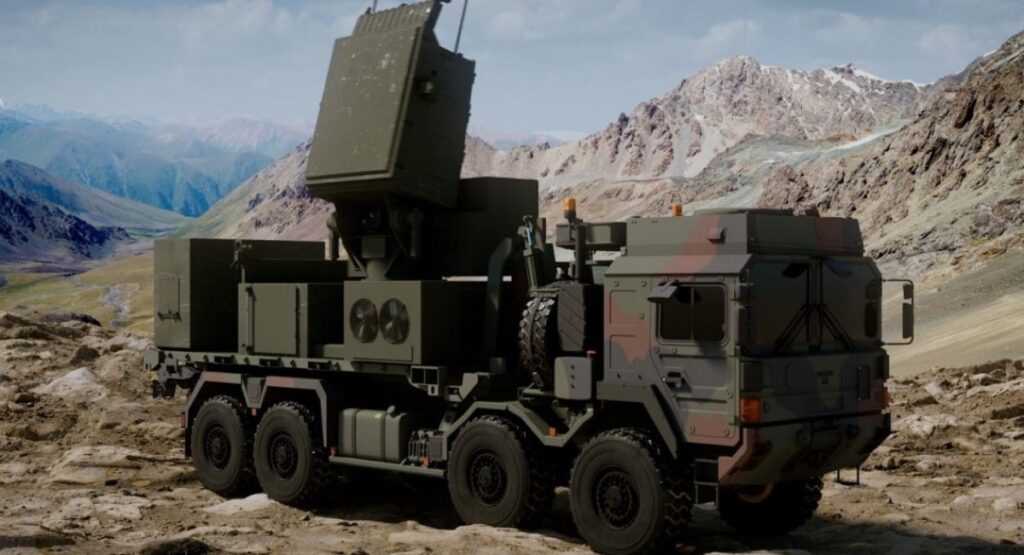
Norwegian Ministry of Defense has officially joined local private company Kongsberg Defence and Aerospace, and U.S.-based Raytheon to develop the new GhostEye radar for the NASAMS air defense system. The announcement by Raytheon builds up on a cooperative arrangement established between the Kingdom of Norway, Raytheon, and Kongsberg in October 2023. The GhostEye development will be funded under the said agreement.
The ongoing works on the GhostEye were first revealed in October 2024. It is essentially an element of the LTAMDS radar that Raytheon developed for the Patriot system. Integrated into NASAMS, it can potentially expand the system’s capabilities significantly.
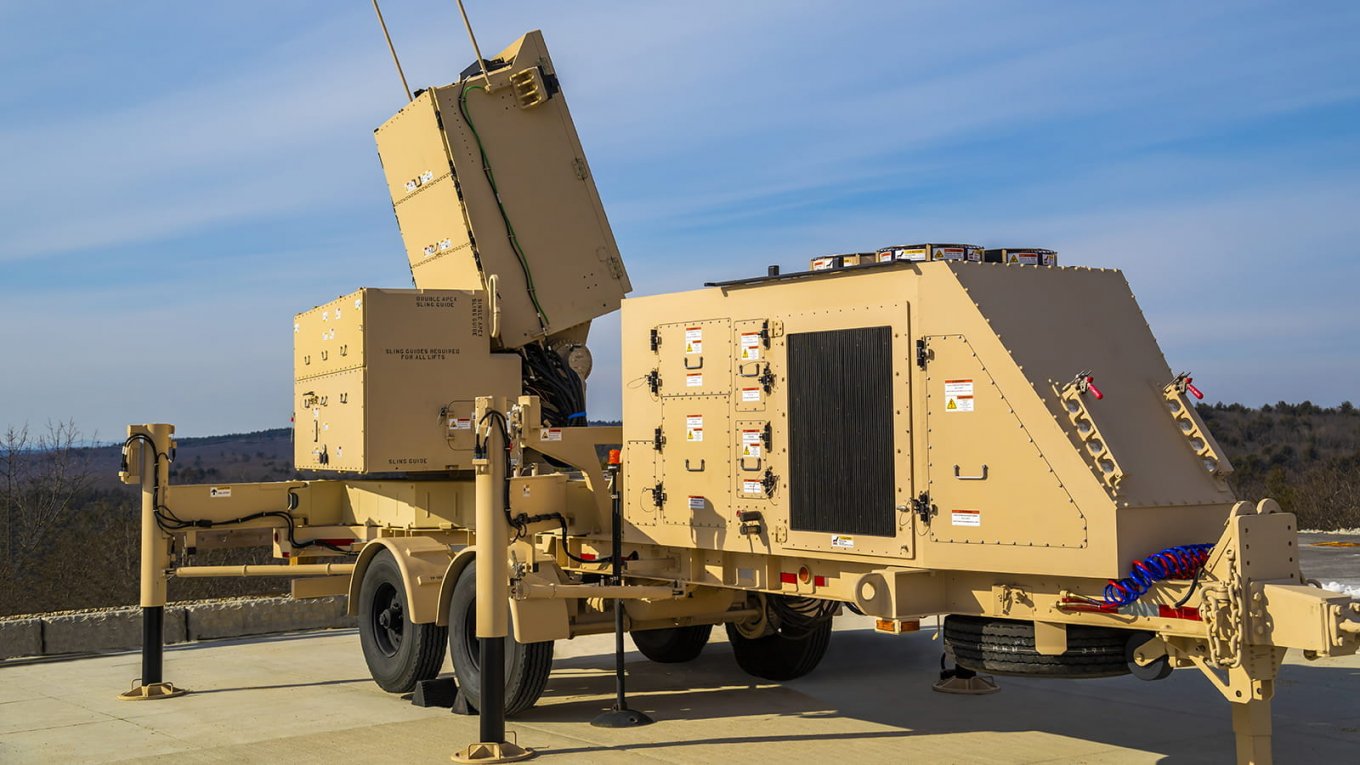 GhostEye radar for NASAMS / Open source photo
Manufacturers assure that the new radar has a longer range, higher resolution, better sensitivity, and can track more targets than the previous NASAMS radar, the AN/MPQ-64 Sentinel. This is achieved through the use of an active electronically scanned array instead of a passive one.
Raytheon also emphasizes the system’s mobility, allowing faster deployment on the battlefield. This is especially important for a medium-range air defense system, which needs to strike a balance between flexibility and interception capabilities.
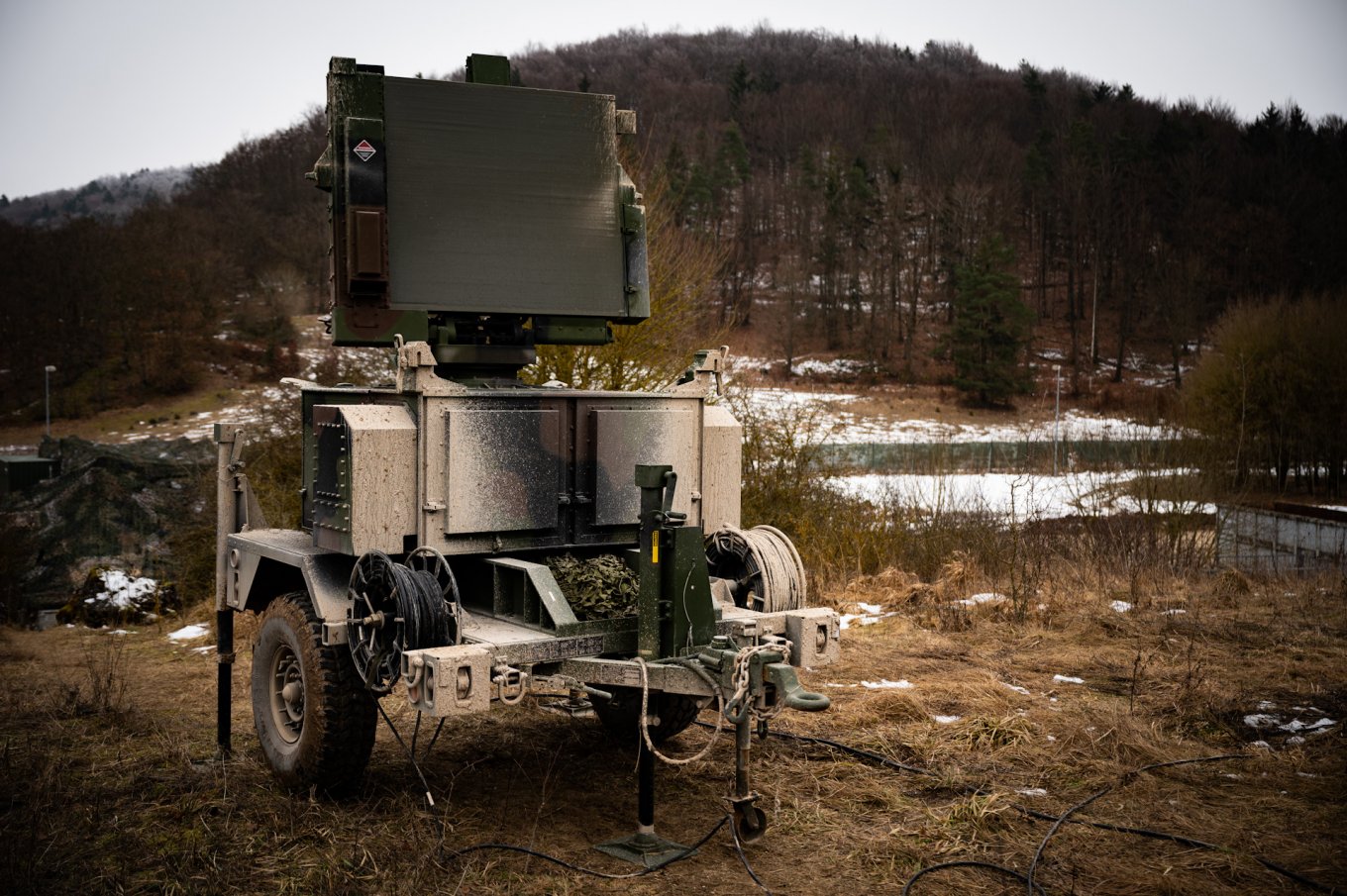 AN/MPQ-64 Sentinel radar currently used in the NASAMS air defense system / Open source photo
The Norwegian Ministry of Defense highlighted NASAMS’ effectiveness, especially during defense against russian air attacks on Ukraine. This is aided by the use of large numbers of AIM-120 and AIM-9 air-to-air missiles, which can even be supplemented by Ukrainian missiles.
While Raytheon will lead the main development of GhostEye, Kongsberg in Norway will develop two key subsystems. No further details are available yet, and it is too early to discuss possible deliveries to Ukraine since the project is still in development.
Read more: Safran Unveils Latest-generation AASM Hammer XLR Glide Bombs with Dramatically Extended Range