
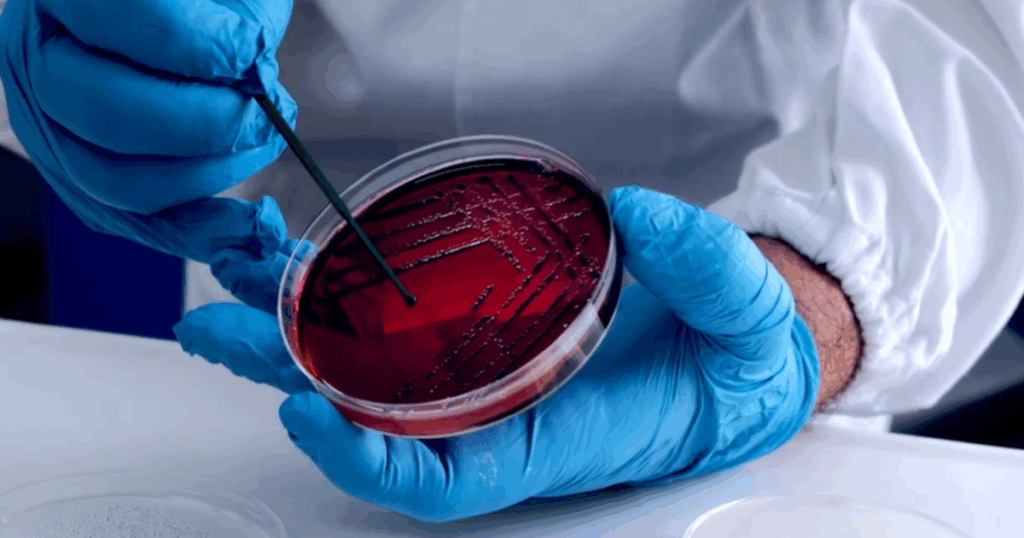
The National Veterinary Laboratory (NVL) in Malta serves as the country’s principal public veterinary laboratory, operating under the Ministry for Agriculture, Fisheries and Animal Rights. It fulfils the role of National Reference Laboratory and provides essential laboratory services and support to the Competent Authority in alignment with national and EU legislation.
The National Veterinary Laboratory plays a vital role in Malta’s agriculture. Operating under the Ministry for Agriculture, Fisheries, and Animal Rights, its work supports the agricultural sector by providing disease surveillance and early detection and also ensures that food products derived from primary production meet safety standards.
One of the laboratory’s key roles is monitoring animal health. Livestock, such as cows, pigs, and sheep, are essential for farming as they provide meat, milk, and other products. The laboratory works to safeguard animal health. Even though the lab does not have direct contact with the farmers, it assists in the routine health surveillance of animal herds by providing diagnostic tests. Early detection helps prevent the spread of illness enabling farmers to take quick action and lowering the use of veterinary medicinal products for treatment and costs. Early disease detection also ensures that farms remain productive, which is crucial for a steady food supply and the agricultural economy.
Healthy herds produce higher-quality meat, milk, and other valuable products. This renders farming more sustainable and improves farm income. Through disease surveillance, the laboratory helps farmers run their establishments more efficiently and in a more sustainable process, benefiting both the economy and the environment.
The laboratory is also essential in preventing disease outbreaks. Animal diseases can spread rapidly and cause major losses for farmers, disrupting the food chain. This approach helps stop the spread of diseases and reduces their impact on farms, ensuring the overall stability of the agricultural sector.
In addition to protecting animal health, the laboratory plays a significant role in ensuring food safety. Meat, milk, eggs, and other animal products must meet strict safety standards to be safe for people to consume. The National Veterinary Laboratory tests food products for harmful substances, such as residues from veterinary drugs, environmental contaminants and parasites. By ensuring that food products meet these standards, the laboratory helps farmers produce safe food for local and international markets.
For consumers, this testing provides confidence that the food they purchase is safe to eat. On the other hand, the laboratory also helps farmers meet international standards, opening up export opportunities for local products. This strengthens the country’s position in global market.
In conclusion, the National Veterinary Laboratory is essential for the success of Malta’s agriculture. It plays a key role in monitoring animal health, preventing diseases, ensuring food safety, and promoting sustainable farming practices. The laboratory’s work improves farm productivity, reduces costs, and helps build trust between farmers and consumers. By supporting both the economic and environmental aspects of farming, the laboratory ensures the stability of the agricultural sector. As Malta’s agriculture continues to face new challenges, the laboratory’s role remains crucial in maintaining a strong and sustainable farming industry for the future.