
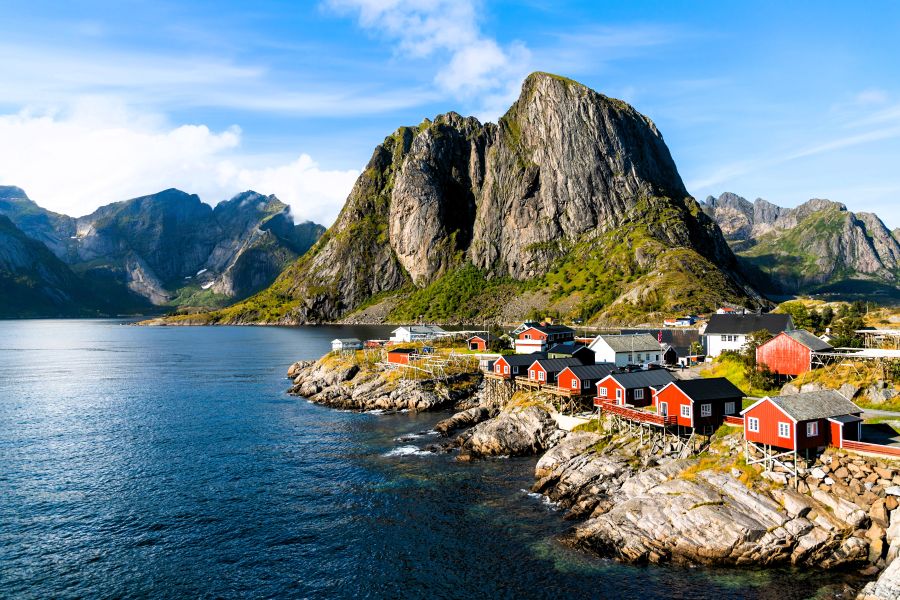
From the dramatic fjords of the west coast to the Arctic magic of the northern lights, Norway’s pristine landscapes have long captivated visitors.
In 2024, Norway recorded 6.20 million international tourist arrivals. Tourism authorities expect to receive approximately 6.28 million international tourist arrivals in 2025. Europe represents 80% of all arrivals with leading inbound markets being Germany, Sweden, the Netherlands, Denmark and the UK.
However, with tourism numbers climbing steadily, the country is preparing to introduce a tourist tax starting in summer 2026. The purpose of the tax is to help safeguard its natural treasures and alleviate strain on local infrastructure.
Under newly approved legislation, select municipalities can impose a 3% fee on overnight stays. The fee will appear on hotel bills and short-term rentals such as Airbnb. Cruise passengers will also be subject to the fee. However, campsites and marinas will be exempt.
The move comes after Norway’s parliament rejected a proposal for a nationwide hotel tax. It instead opted for a targeted, locally applied measure. Municipalities wishing to implement the tax must demonstrate that tourism is putting significant pressure on public facilities. They are also required to submit detailed plans on how the funds will be used, subject to review by the government.
Tourism industry welcomes balanced approach
The first cities expected to adopt the measure include Bergen, Tromsø, and possibly Oslo. Iconic natural sites like the Geirangerfjord – a UNESCO World Heritage site – and the Lofoten Islands are also likely candidates.
Tourism-related services will be the exclusive users of the fee revenue. It would include trail maintenance, public toilets, waste management, and visitor information systems. Local governments will also have the flexibility to adjust the tax seasonally.
Kristin Krohn Devold, CEO of the Norwegian Hospitality Association, welcomed the decision. “We’re pleased the government avoided a blanket hotel tax,” she said. “This approach allows for targeted action where it’s truly needed. Our goal is for this tax to remain the exception, not the rule.”
A formal review of the legislation will happen three years after its implementation, allowing adjustments based on its impact and effectiveness.
Related News Stories: NCL’s latest Prima Plus Class ship unveiled NCL cancels dozens of sailings on three ships MSC Cruises Further Elevates MSC Virtuosa Entertainment Offering … Regent Seven Seas Cruises® Celebrates Keel Laying for Seven … Partner News – TravelMole Regent Seven Seas Cruises – TravelMole What’s new in North Dakota Fred. Holidays – TravelMole G Adventures – TravelMole P&O Cruises – TravelMole