
Friday, June 27, 2025

A series of tragic incidents has cast a shadow over the summer holiday season in the UK, Greece, and Portugal, as British tourists were found dead on beaches in two separate locations—Skiathos in Greece and Albufeira in Portugal. These back-to-back fatalities have not only devastated families and communities but have also triggered urgent safety concerns among travelers and authorities alike. As thousands of British citizens flock to southern Europe during the peak holiday months, these disturbing events have raised pressing questions about beach safety, medical preparedness, and environmental conditions in popular tourist hotspots.
A tragic event unfolded on the Greek island of Skiathos, where a 73-year-old British tourist tragically passed away while relaxing on a sun lounger at Agia Paraskevi beach. The man, whose identity remains undisclosed, was found unresponsive by fellow beachgoers on Friday. The incident has left both locals and tourists in shock.
Eyewitnesses immediately alerted a lifeguard, who rushed to the scene and began attempting to administer first aid. Emergency services were contacted right away, and a doctor from a nearby health center arrived soon after. Despite their best efforts, including 40 minutes of resuscitation attempts, the man was sadly pronounced dead at the scene. An autopsy is currently being carried out to determine the exact cause of death, but at present, it remains undetermined.
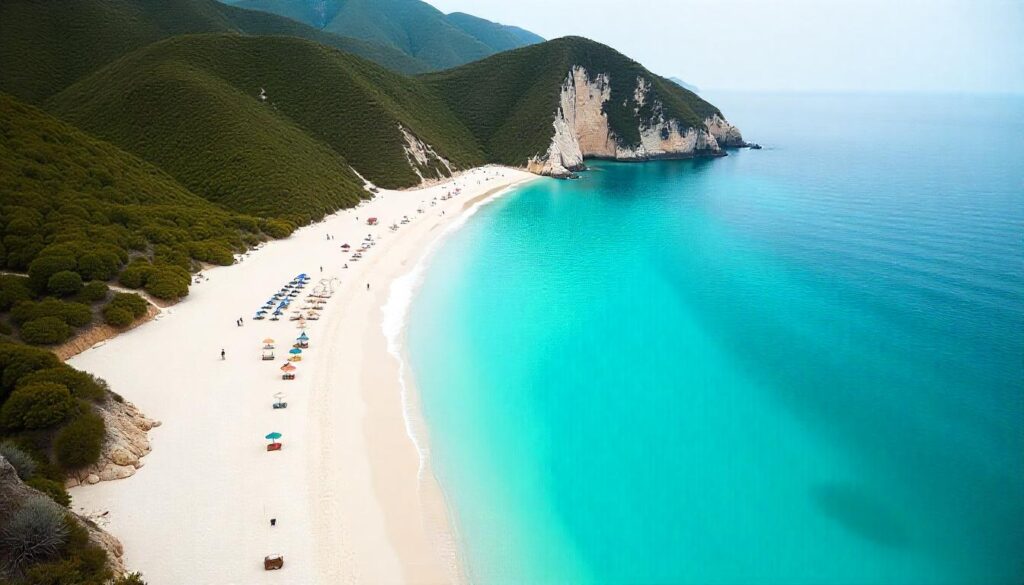
Agia Paraskevi, one of Skiathos’ most popular beaches, is well-known for its crystal-clear turquoise waters and family-friendly environment. This peaceful, idyllic destination has long attracted visitors from around the world seeking a serene getaway. However, the beach was left overshadowed by sorrow following the discovery of the man’s death. The local community and tourists alike have expressed their condolences, with many reflecting on the tragic loss.
This incident adds to the recent pattern of unfortunate events involving British tourists in Greece. Just weeks earlier, a similar tragedy occurred on the island of Rhodes, where a 68-year-old British man was found dead on 12 June. According to reports, the man had gone for a swim at Lindos beach before appearing to lose consciousness in the water. Local authorities from the Central Port Authority responded quickly, confirming his death shortly after his body was discovered.
Both of these incidents have caused distress, but they come amid a broader series of tragic events involving British tourists in various holiday destinations. In Portugal, several British nationals have also faced tragic fates. Earlier this month, two men lost their lives in separate incidents in Albufeira, a popular resort town in the Algarve. The first tragedy occurred on 4 June when a man in his twenties was found dead at the bottom of a stairway on Avenida da Liberdade. While an autopsy was conducted, Portuguese police have yet to release the cause of death. Authorities are reportedly treating it as a non-suspicious incident, possibly linked to excessive alcohol consumption.
In a separate incident, 38-year-old Greg Monks from Glasgow was discovered dead after going missing during a stag weekend. His body was found hours after he was last seen, and authorities believe he may have fallen from a cliff while trying to return to his accommodation. These events, though separate, have prompted an outpouring of sympathy and concern for the safety of tourists traveling abroad.
There is no suggestion that the incidents involving British tourists in Greece were in any way similar to the circumstances seen in Portugal. Nevertheless, these recent tragedies have raised concerns about safety for travelers, particularly as many tourists are flocking to Southern Europe during the summer months.
The British Embassy in Athens has confirmed that they are in close contact with local police and medical officials, assisting in the ongoing investigations. The embassy has urged travelers visiting Greece to take the necessary precautions to protect themselves during their stay. Tourists are being advised to stay hydrated, avoid prolonged exposure to the sun, and take frequent breaks to prevent heat exhaustion. Additionally, those feeling unwell are encouraged to seek immediate medical attention.
As Southern Europe experiences ongoing high temperatures, health experts are reiterating the importance of caution, particularly for elderly travelers or those with underlying health conditions. High temperatures, especially in tourist hotspots, can lead to heat-related illnesses such as dehydration, heat exhaustion, and heatstroke, which can be especially dangerous for vulnerable individuals.
The recent wave of tragic events has underscored the need for heightened awareness and vigilance among both tourists and local authorities. For tourists, especially the elderly or those with pre-existing health conditions, taking simple preventive measures such as wearing sunscreen, staying in the shade, and ensuring adequate hydration can go a long way in safeguarding their health.
A wave of tragedy has struck summer tourism in the UK, Greece, and Portugal as British tourists were found dead in separate beach incidents in Skiathos and Albufeira, raising urgent concerns over traveler safety and emergency preparedness at popular holiday destinations.
While these incidents have cast a shadow over the summer holiday season, authorities in Greece and across Southern Europe are continuing their efforts to improve safety measures for tourists. With summer in full swing, travelers are reminded to prioritize their health and well-being, ensuring that their vacations remain as enjoyable and safe as possible.
«Enjoyed this post? Never miss out on future posts by following us»
Tags: Albufeira, beach fatalities, british tourists, greece, holiday safety, Portugal, Safety concerns, Skiathos, summer travel, Tourism news, travel industry, Travel News, UK
