
Saturday, June 28, 2025

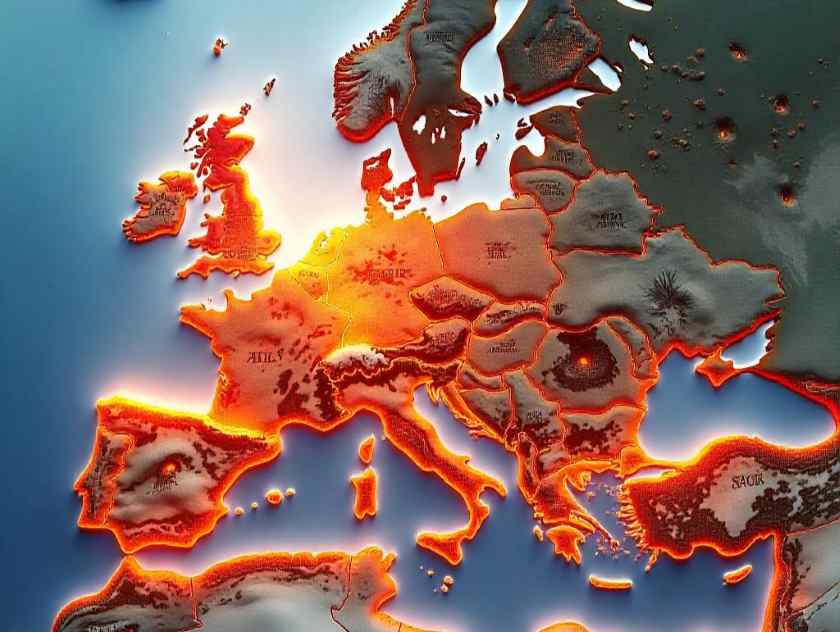
Europe is experiencing its first major heatwave of 2025, with temperatures soaring to 42°C (107.6°F) in several countries, including Spain, Portugal, France, Italy, and Greece. In response, authorities have issued urgent safety warnings, urging the public to take necessary precautions against the extreme heat, particularly vulnerable groups such as the elderly, pregnant women, and individuals with chronic illnesses. This unprecedented weather event has prompted governments to implement safety measures and offer support to those most at risk .
Heatwave Forecast and Hot Zones
According to Spain‘s State Meteorological Agency (Aemet), the southern regions of Spain are expected to experience extreme temperatures, with highs reaching up to 42°C. The cities of Seville, Córdoba, and Jaén are under Orange Warnings due to the prolonged and intense heat, which poses significant health risks. The weather agency has emphasized the importance of taking preventive measures during this heatwave.
In Portugal, approximately two-thirds of the country is under a high alert due to extreme temperatures, accompanied by an elevated risk of wildfires. Lisbon, the capital, is expected to see temperatures climb to 42°C. Authorities in Portugal have implemented emergency measures, including fire-fighting operations and evacuations in some areas prone to wildfires.
As the heatwave extends across borders, France is also facing extreme temperatures. Marseille, for instance, is experiencing temperatures nearing 40°C. In response to this, local authorities have opened public swimming pools for free to provide relief to residents seeking to escape the heat. The south of France is expected to continue experiencing extreme conditions throughout the weekend, with local officials advising the public to stay indoors during peak heat hours.
Italy is feeling the effects of the heatwave, particularly in cities such as Naples and Palermo, where temperatures are expected to reach 39°C. In the regions of Sicily and Liguria, authorities have enacted bans on outdoor work during the hottest parts of the day to protect workers from heat-related illnesses. These measures are essential as workers in sectors such as construction and agriculture are particularly vulnerable to extreme heat.
In Greece, temperatures have also risen dramatically, approaching 40°C. A wildfire broke out south of Athens earlier this week, prompting authorities to issue evacuation orders and shut down parts of the coastal road connecting the capital to Sounion. This area, home to the iconic Temple of Poseidon, is a popular tourist destination. The wildfire has exacerbated the dangers associated with the heat, making it essential for both locals and tourists to stay alert and follow safety instructions.
Flight Cancellations and Airport Disruptions
While specific flight cancellations due to the heatwave have not been officially reported, the aviation sector is closely monitoring the situation, as extreme temperatures can significantly affect aircraft performance. High temperatures can reduce the efficiency of engines, particularly during takeoff and landing, which may lead to delays or cancellations. Additionally, airports in southern Europe are preparing for possible disruptions, including slower ground operations and potential delays in air traffic management.
Authorities have advised airlines to adjust flight schedules and operational procedures to ensure passenger safety during these challenging conditions. Airports in high-temperature regions, including those in Spain, France, and Italy, have been put on high alert to handle any potential delays or cancellations due to the heat. Passengers are encouraged to stay informed about their flight statuses and follow the advice of airline officials.
Tourism Bookings and Cancellations
As extreme weather events like heatwaves can influence travel decisions, tourism authorities have begun to monitor the potential impact on bookings. While specific data on booking cancellations has not been released, it’s expected that some travelers may reconsider or adjust their plans to avoid the hottest regions during the peak heat periods.
Tourism operators are advising customers to be cautious when booking trips to regions under high alert for extreme temperatures. Travel agencies are also preparing to assist customers in modifying their travel plans if necessary, especially for those traveling with young children, elderly individuals, or people with existing health conditions.
In addition, some tourists visiting the Mediterranean countries may opt for cooler destinations or postpone their travel plans until after the heatwave subsides. Hoteliers and resorts in the affected regions are also taking preventive steps to ensure the comfort and safety of guests, including increasing access to cooling facilities and providing hydration stations.
Safety Recommendations
The public is advised to take the following precautions to mitigate the risks posed by the extreme heat:
- Stay Hydrated: It is essential to drink plenty of fluids throughout the day to prevent dehydration, especially in the hottest regions.
- Avoid Direct Sunlight: Limit outdoor activities during peak heat hours (typically from noon to 4 p.m.), and seek shaded areas whenever possible.
- Check on Vulnerable Individuals: Ensure that older adults, young children, and those with chronic health conditions are safe. Keep in regular contact to ensure their well-being.
- Monitor Official Alerts: Stay updated with information from local meteorological agencies and follow the guidance of local authorities.
This heatwave serves as a stark reminder of the intensifying frequency and severity of extreme weather events in Europe. As the climate crisis continues to worsen, regions like southern Europe, which are already experiencing some of the most rapid warming trends, are feeling the impact of these environmental changes. The current heatwave, coupled with the ongoing wildfires and storms, underscores the urgent need for immediate action to combat climate change and build resilience in affected communities .
«Enjoyed this post? Never miss out on future posts by following us»
Tags: Europe, Europe Forecast, Flight Cancelled, forecast, france, greece, heatwave, Italy, Portugal, safety tips, spain
