
California lawmakers and Gov. Gavin Newsom on Monday passed major changes to the California Environmental Quality Act in what supporters say is a historic move to get more housing built across the state. Facing a major housing supply shortage and cost of living crisis, the governor said California could not wait any longer for the legislation that had been making its way through the state’s typical lawmaking process. Newsom last week announced that his signature on the state’s $321.1 billion budget relied entirely on the California Legislature approving the measures. By looping the proposal into the state budget, the new law takes effect on Tuesday. “Today is a big deal,” Gov. Newsom said at a news conference where he signed the legislation on Monday night. “This is the most consequential housing reform in modern history in the state of California. Long overdue? Absolutely.” The legislation specifically exempts new housing in urban infill areas from the California Environmental Quality Act, also known as CEQA. That means groups against a new apartment in Sacramento, for example, would no longer be able to slow or stop the project by suing over possible environmental violations. The legislation also makes changes to CEQA’s processes overall to speed up not just housing, but also infrastructure projects. While CEQA is meant to protect the environment, supporters note the law has been increasingly weaponized by groups that seek to stop affordable housing projects because they don’t want them built in their neighborhood. It has also been used by labor groups as a bargaining chip seeking a project labor agreement, or by businesses attempting to undermine their competition.Assemblymember Buffy Wicks, D-Oakland, has said that while local governments already have a process to determine if a project meets environmental standards, groups will still file these environmental lawsuits. Under the state’s laws prior to Monday’s signing, it took an average of four years to build housing in California, and it can take even longer in larger cities like San Francisco. “Today we told the world we are ready to be open for business, the business of being open for housing,” Wicks said Monday night. It’s not clear how soon California could see ramped-up housing production or how many more homes this will help build in the short term. State Sen. Scott Wiener, D-San Francisco, noted legislation to ramp up Accessory Dwelling Units took five to six years to really increase production. “It takes some time, but at some point, the laws really start to take off,” Wiener said. “This isn’t about what’s going to happen in the next year, next three years, it’s about decades to come, and when the economic conditions are right to build a ton of housing. We want to make sure the structure is there to facilitate that.” The governor pointed to his administration’s goal of building 2.5 million homes by 2030, and noted it’s up to local governments to use this new tool to help make that goal a reality. Meanwhile, before Monday’s bill signing, lawmakers spent hours debating the housing measures. Some Democrats had concerns with the massive proposal that had been finalized just days before the vote. “To undertake massive policy changes in a budget trailer bill that most members have a matter of hours to review is undemocratic and inappropriate,” said State Sen. Steve Padilla, D-San Diego.Environmental groups and some tribes testified against the proposal at a budget hearing in the State Senate Monday morning, who also noted the legislation was finalized behind closed doors. “CEQA is essentially our environmental bill of rights, it ensures decision-makers and the public have the opportunity to understand the effects of projects big and small,” said Nick Jensen with the California Native Plant Society. “We do a great disservice to communities and biodiversity when you choose to silence their voices.” Lawmakers and the governor have previously exempted stadiums, climate projects, and their new office building that’s under construction behind the Capitol from CEQA. See more coverage of top California stories here | Download our app | Subscribe to our morning newsletter | Find us on YouTube here and subscribe to our channel
California lawmakers and Gov. Gavin Newsom on Monday passed major changes to the California Environmental Quality Act in what supporters say is a historic move to get more housing built across the state.
Facing a major housing supply shortage and cost of living crisis, the governor said California could not wait any longer for the legislation that had been making its way through the state’s typical lawmaking process. Newsom last week announced that his signature on the state’s $321.1 billion budget relied entirely on the California Legislature approving the measures. By looping the proposal into the state budget, the new law takes effect on Tuesday.
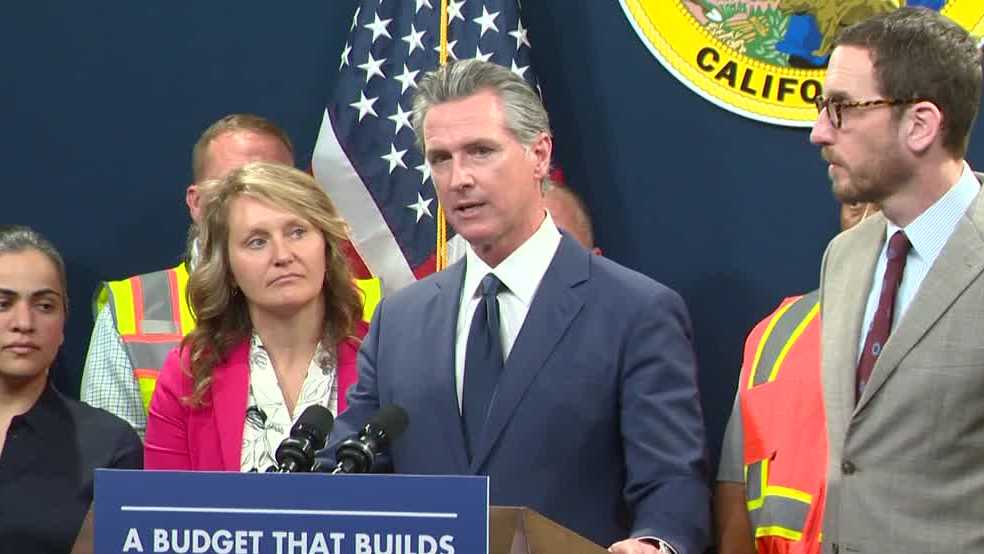
“Today is a big deal,” Gov. Newsom said at a news conference where he signed the legislation on Monday night. “This is the most consequential housing reform in modern history in the state of California. Long overdue? Absolutely.”
The legislation specifically exempts new housing in urban infill areas from the California Environmental Quality Act, also known as CEQA. That means groups against a new apartment in Sacramento, for example, would no longer be able to slow or stop the project by suing over possible environmental violations. The legislation also makes changes to CEQA’s processes overall to speed up not just housing, but also infrastructure projects.
While CEQA is meant to protect the environment, supporters note the law has been increasingly weaponized by groups that seek to stop affordable housing projects because they don’t want them built in their neighborhood. It has also been used by labor groups as a bargaining chip seeking a project labor agreement, or by businesses attempting to undermine their competition.
Assemblymember Buffy Wicks, D-Oakland, has said that while local governments already have a process to determine if a project meets environmental standards, groups will still file these environmental lawsuits.
Under the state’s laws prior to Monday’s signing, it took an average of four years to build housing in California, and it can take even longer in larger cities like San Francisco.
“Today we told the world we are ready to be open for business, the business of being open for housing,” Wicks said Monday night.
It’s not clear how soon California could see ramped-up housing production or how many more homes this will help build in the short term.
State Sen. Scott Wiener, D-San Francisco, noted legislation to ramp up Accessory Dwelling Units took five to six years to really increase production.
“It takes some time, but at some point, the laws really start to take off,” Wiener said. “This isn’t about what’s going to happen in the next year, next three years, it’s about decades to come, and when the economic conditions are right to build a ton of housing. We want to make sure the structure is there to facilitate that.”
The governor pointed to his administration’s goal of building 2.5 million homes by 2030, and noted it’s up to local governments to use this new tool to help make that goal a reality.
Meanwhile, before Monday’s bill signing, lawmakers spent hours debating the housing measures. Some Democrats had concerns with the massive proposal that had been finalized just days before the vote.
“To undertake massive policy changes in a budget trailer bill that most members have a matter of hours to review is undemocratic and inappropriate,” said State Sen. Steve Padilla, D-San Diego.
Environmental groups and some tribes testified against the proposal at a budget hearing in the State Senate Monday morning, who also noted the legislation was finalized behind closed doors.
“CEQA is essentially our environmental bill of rights, it ensures decision-makers and the public have the opportunity to understand the effects of projects big and small,” said Nick Jensen with the California Native Plant Society. “We do a great disservice to communities and biodiversity when you choose to silence their voices.”
Lawmakers and the governor have previously exempted stadiums, climate projects, and their new office building that’s under construction behind the Capitol from CEQA.
See more coverage of top California stories here | Download our app | Subscribe to our morning newsletter | Find us on YouTube here and subscribe to our channel