
Wednesday, July 2, 2025

Greece has introduced a 20-euro ($23) fee for tourists arriving on Santorini by cruise ship, a move that began this Tuesday. This new policy aims to tackle the growing issue of overtourism on the island while also generating revenue that will be allocated to improving Santorini’s infrastructure, which is under increasing strain due to the high volume of visitors.
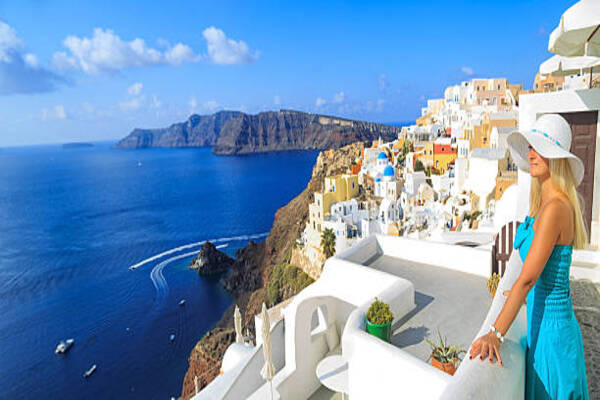
Santorini, a volcanic island in the Aegean Sea, stands as one of Greece’s top tourist hotspots. It attracts approximately 2 million visitors annually, drawn to its stunning landscapes, white-washed buildings, and breathtaking sunsets. However, the island, with a population of only 15,000, faces significant challenges in managing such a large influx of tourists. The single main port, which serves as the primary entry point for cruise passengers, often becomes congested, and the local infrastructure struggles to support the volume of visitors, especially during peak seasons. The island’s remote location and the threat of seismic activity further complicate the situation, making it necessary for the government to take action to preserve the island’s charm and ensure its long-term sustainability.
The introduction of this 20-euro entry fee follows similar moves in other parts of Europe, where the local population has raised concerns about the impacts of mass tourism. In many cities, locals have become increasingly frustrated with the rising cost of living, particularly rental prices, which have skyrocketed due to the growing demand for short-term accommodations by tourists. The influx of visitors has also strained public services and resources, leading many destinations to seek ways to balance tourism growth with the needs of their residents. In some places, local governments have implemented various measures such as visitor taxes, entrance fees, and limits on the number of tourists to help manage these challenges.
Santorini’s new fee structure, which will begin on July 21, aims to address these issues while also generating funds that can be reinvested into the island’s infrastructure. The 20-euro fee will be applied to each cruise passenger arriving on the island. The fees are set to vary by season, with the charge dropping to 12 euros in October. From November to March, during the off-peak season, the fee will further decrease to just 4 euros, making it more affordable for tourists during the quieter months. The fee will then rise again to 12 euros from April to May, reflecting the increase in tourist activity as the high season approaches.
While the government hopes that this fee will help alleviate the pressure on Santorini, it has sparked some criticism, particularly from the cruise industry. Cruise operators argue that the levy is unfair, contending that it places an additional financial burden on passengers and does not take into account the significant economic contributions that cruise tourism makes to the island. They also point out that cruise passengers typically spend a limited amount of time on the island and do not contribute as much to the local economy as overnight visitors. For cruise operators, the new fee adds an extra layer of complexity and cost to an already competitive market, Particularly in light of the worldwide challenges the industry has encountered in recent years, such as the effects of the COVID-19 pandemic.
Despite the opposition from cruise operators, local authorities in Santorini are steadfast in their commitment to implementing the fee. They argue that the growing number of visitors has placed unsustainable pressure on the island’s resources, including its infrastructure, water supply, and waste management systems. By collecting the entry fee, the government hopes to generate a dedicated fund that will help improve these critical services and ensure that Santorini can continue to accommodate tourists without sacrificing the quality of life for its residents. Additionally, the funds raised from the fees will help finance measures aimed at protecting the environment, preserving the island’s unique heritage, and promoting sustainable tourism practices.
Santorini’s decision to impose this fee is part of a broader trend across the tourism industry where destinations are increasingly looking for ways to manage visitor numbers and reduce the negative impacts of tourism. While this approach may face opposition from certain sectors, it represents a growing recognition that tourism must be managed responsibly to ensure that destinations remain viable and attractive in the long term. As more destinations around the world grapple with similar challenges, the Santorini model may provide valuable lessons on how to balance tourism with the needs of local communities and the environment.
Santorini’s new cruise passenger fee is a significant step toward addressing the challenges of overtourism and ensuring that the island can continue to thrive as a popular tourist destination. While it may face opposition from cruise operators, the long-term benefits for the island’s infrastructure, environment, and local residents could make this initiative a model for other popular destinations around the world. By investing in sustainable tourism practices and prioritizing the well-being of local communities, Santorini is taking an important step toward preserving its natural beauty and cultural heritage for future generations.
«Enjoyed this post? Never miss out on future posts by following us»
