
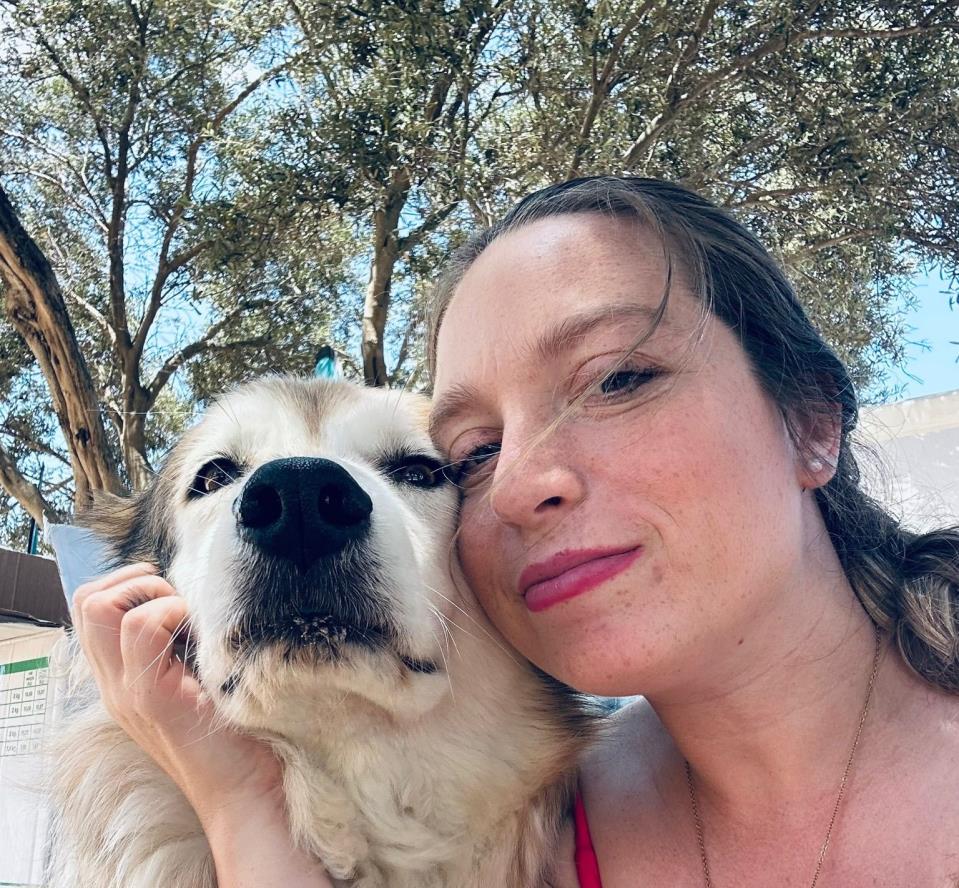

Presenter and animal activist of the Vuċi għall-Annimali programme, Althea Galea, has called for urgent regulatory change on Malta’s exotic pet ownership through the introduction of a “positive list” – a system that would limit ownership of such animals in Malta.
Galea spoke to The Malta Independent on Sunday about the lack of information and transparency in the law for dangerous animals, following a recent case of four lions and a leopard, which were found to be trapped and living in captivity in poor conditions in Naxxar.
Galea said that Vuċi għall-Annimali is working with Animal Rights Minister Anton Refalo and Parliamentary Secretary Alicia Bugeja Said on a positive list framework.
“At the moment, in Malta we have a negative list, which tells you that a person cannot own a dangerous, poisonous spider, for example. However, that creates loopholes, as people can get around it by claiming they can get a certain sub-species of an animal which they claim to be less dangerous,” Galea said.
A positive list would clearly define which animals the government has the resources to oversee and care for – like dogs, cats, rabbits, birds, small fish and other animals that can be kept at home, and would exclude exotic or dangerous species.
“Squirrels, hedgehogs, skunks – these are not pets,” she said. “We have arrived at a stage where we want everything as a pet.”
Galea said that exotic reptiles and dangerous animals would not be included in this positive list, which would serve as a regulatory and logistical framework for animal welfare in Malta.
“It would help with cases of abandonment, neglect or lack of resources. Right now, animal welfare cannot even take squirrels if they are being kept in a cage in a bad condition,” Galea said.
Once the positive list is in place, owners of animals not included on it would be required to neuter and register their pets. However, they would be allowed to keep them until the animals naturally pass away – with no breeding, trading or gifting exchanges allowed, she said.
Pushing the positive list into law would be a very big win for all, Galea said, adding that this is Vuci ghall-Annimali’s main focus.
How the Naxxar lions were registered under the amnesty
A 2016 law bans private individuals from keeping dangerous animals unless they are housed in a licensed zoo.
However, in February, owners keeping dangerous animals illegally were given a 90-day amnesty to register their exotic pets and, in some cases, have them neutered.
As a result, 96 dangerous animals were registered under the amnesty, which included 10 lions, 15 tigers, five leopards, five pumas, 29 monkeys, and 10 chimpanzees, among other primates, big cats, mammals and reptiles.
In January of this year, four lions and a leopard were found in an unregistered enclosure in Naxxar, with one of the lions showing signs of an orthopaedic condition that required further attention.
Vuċi għall-Annimali had exposed the presence of these animals in December, but despite reassurances, they were later moved to Rabat and registered under Malta’s 90-day dangerous animal amnesty.
FOI request reveals serious regulatory gaps
Vuċi għall-Annimali submitted a Freedom of Information (FOI) request to the authorities, uncovering missing data about registered dangerous animals.
“The amnesty was something that we recommended in January, not for these lions, although it (eventually) was,” she said.
“The main reason we suggested an amnesty was because we wanted to know what we are dealing with,” Galea said.
She warned that Malta is unprepared to manage exotic wildlife: “We barely have resources for our domestic animals, let alone lions, tigers, pumas. It is also a matter of public safety,” Galea said.
She highlighted a recent viral video of a chimpanzee eating ice cream. “Some people think it is cute… however, a chimpanzee is a very, very dangerous animal,” she said, adding that even if these animals are registered, they cannot be taken out in public.
She continued that bully-breed dogs have garnered a bad reputation, with people crossing the road if they see one, and questioned how people would then go and pet a chimpanzee.
“There is lack of enforcement. We are even pushing the Environment and Resource Authority (ERA) to check site documents and permits, and the legality of where these animals come from,” Galea said.
She said that the 90-day amnesty only granted the registration of the animal and the premises, as one still needs to provide site registration and proof that the animal was brought in the country legally.
“That was the point. Not to give a ‘free-card’ to these people who obtained these animals illegally,” Galea said.
Asked if the amnesty was effective in practise, Galea said that things remain to be seen, as the amnesty closed in May.
The FOI response showed missing birthdates and age details, which Galea found troubling.
“There was a registered animal that was just two months old, meaning that this animal was brought in during the amnesty, which should not be accepted,” she said.
Malta has banned the importation of such exotic animals since 2016, so any brought in after that, except for zoos, are considered illegal, she noted.
The FOI also withheld owner identities and animal locations, citing GDPR.
“I believe that in this case we need to know,” she said. “This is not a dog or a cat. The lions at Naxxar were three metres away from the road.”
Substandard enclosures and Swiss law loopholes
The Maltese law refers to Swiss standards when it comes to enclosures for dangerous animals. She was asked if the FOI response offers any insight into whether these standards are being enforced – and if not, what the risks are.
Galea said that according to the findings, Malta’s enclosure standards fall below EU benchmarks, and Vuċi għall-Annimali ‘s analysis revealed that many of the enclosures listed fall below Switzerland’s minimum requirements.
These standards were chosen by Malta as a benchmark precisely because they meet the lowest acceptable standards in the EU, Galea said, adding that inadvertently, it made it easier for people to get these animals into the country.
However, Galea said many local enclosures fall short, even of that minimum bar.
“Some enclosures seem to not even meet the Swiss standards. And what about those people who keep these animals in their homes?” she asked.
“If a lion escapes, we would have to shoot it down. We know of over 200, close to 300 dangerous animals, and there were people who did not register them,” Galea said.
One proposal Vuċi għall-Annimali and other NGOs pushed during the amnesty was mandatory neutering of exotic animals.
“We cannot breed, sell and continue to increase the population of these dangerous animals for them to just end up in cages. There is nothing that benefits these animals from it,” Galea said.
She countered ethical concerns about neutering, saying that keeping them in enclosures is already against their nature. “Lions were born to live in the wild, not to sleep on your sofa,” she said.
The FOI request also highlighted that species were registered without proper vet verification or DNA evidence.
“They were registered without certain documentation. Are we verifying that these are the species they actually hold, with their true Latin names?” she asked, stressing the need for DNA profiling to determine origin and legality.
She said that dangerous animals in Malta are often registered without proper infrastructure for confiscation or care.
“We do not even have a 24/7 hospital for our domestic pets,” Galea said. “Who are you going to call if a lion is having a heat stroke?” she asked.
Beyond exotic pets, Malta lacks infrastructure even for common animals like horses.
“Retired horses are often sent to slaughter unless NGOs step in. The government should have its own structure for relocation,” she said.
Galea recounted how, prior to the Naxxar lions’ case, she had asked ministry officials where such an animal would go if found neglected. The reply was, “we’ll deal with it when it happens”.
She criticised the current policy of “confiscation on site”, where ownership passes to the government, but the animal stays with the same person. “That does not make sense,” Galea said.
Second part of interview will be carried tomorrow