

Watch: Bobcats, ocelots, bear, jaguars on trail camera in Arizona
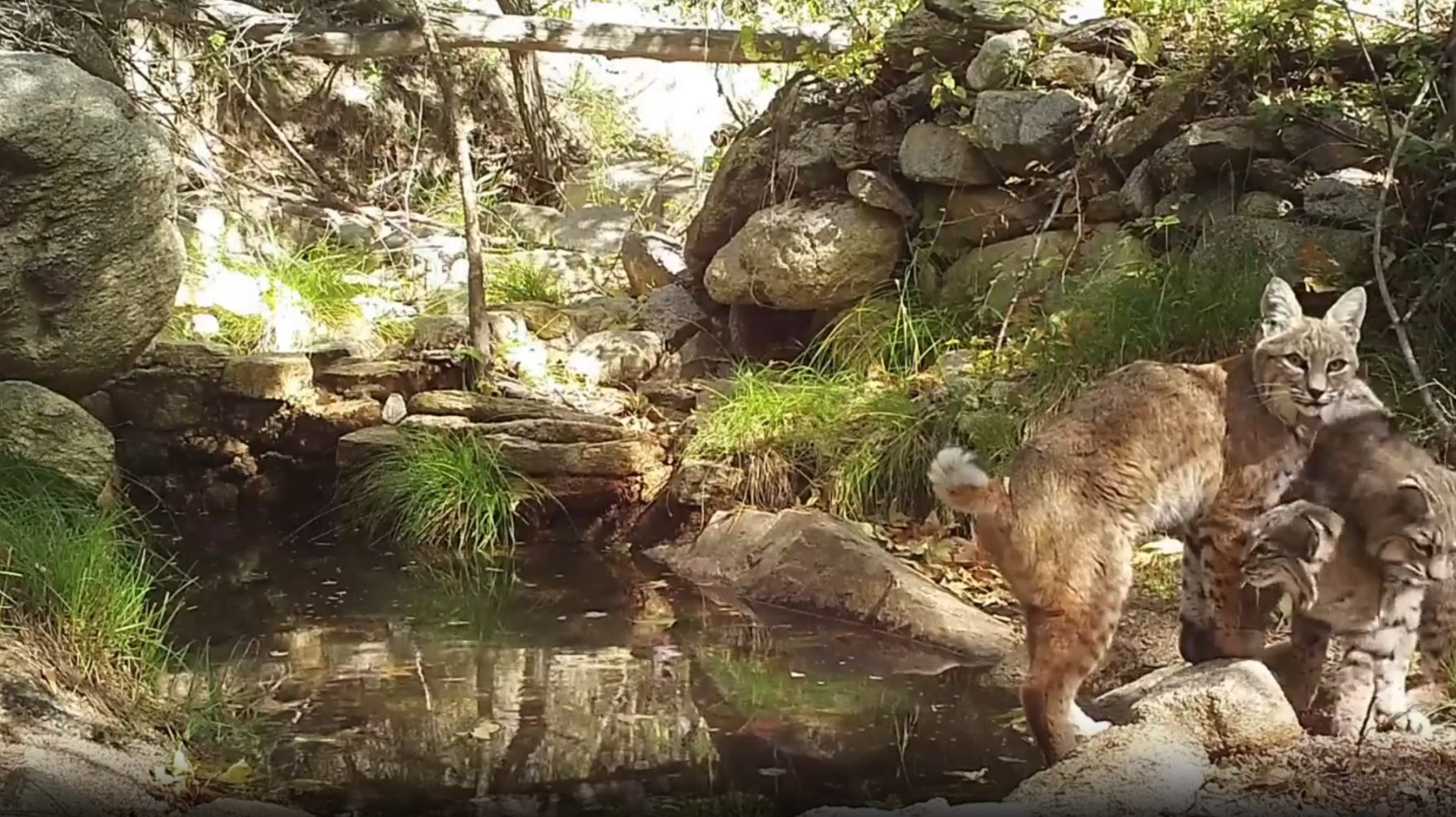
Trail camera footage compiled by the Center for Biological Diversity shows the diverse wildlife they say are impacted by hunting dogs in Arizona.
Provided by the Center for Biological Diversity
- Two conservation groups sued the Trump administration for illegally waiving environmental laws for construction of new border wall segments.
- The new stretch of border wall is in the San Rafael Valley, a grassland that is considered one of the last intact wildlife corridors on the international border.
- The groups say closing the border would further endanger habitat for already rare species like the jaguar and ocelot.
Environmental groups in Arizona are suing the Trump administration over plans to construct a border wall in the San Rafael Valley, one of the last stretches of untouched borderlands.
In a lawsuit filed on July 9 in the U.S. District Court in Tucson, the Center for Biological Diversity and Conservation CATalyst, two conservation nonprofit groups, say the Department of Homeland Security unconstitutionally waived dozens of environmental laws, including the Endangered Species Act and the National Environmental Policy Act, to expedite the construction of the wall.
On June 5, Homeland Security Secretary Kristi Noem issued a waiver to exempt the border wall construction from environmental regulations under the authority of the amended Illegal Immigration Reform and Immigrant Responsibility Act of 1996.
“Projects executed under a waiver are critical steps to secure the southern border and reinforce our commitment to border security,” said DHS in a news release announcing the waivers.
The lawsuit says the authority granted to DHS to unilaterally waive federal laws violates the foundational principle of separation of powers laid out in the U.S. Constitution.
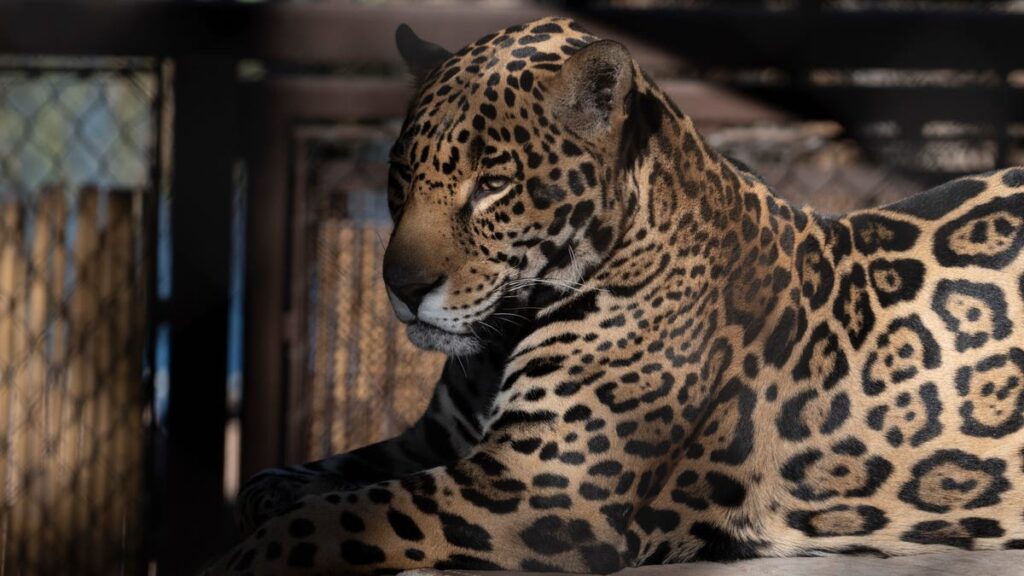
“The Trump administration is unconstitutionally running roughshod over our bedrock environmental protections to build his cruel, senseless border wall. A 30-foot wall will stop majestic jaguars and other endangered animals dead in their tracks, so they’ll likely disappear from the U.S.,” Jean Su, a senior attorney at the Center for Biological Diversity said in a news release.
The proposed 27-mile stretch of border wall would destroy habitat for endangered and threatened species and interrupt migration routes for dozens more, including the jaguar and ocelot, according to a new report from the Center.
The San Rafael Valley, a grassland basin lying between the Huachuca and Patagonia mountains, is one of the last remaining intact wildlife corridors between Arizona and Sonora, Mexico. The Sky Island region is considered to be one of the most biodiverse in the world with over 7,000 species of plants and animals, according to the Sky Island Alliance, a regional environmental conservation nonprofit.
“Arizona’s San Rafeal Valley region is the only location left in the entire United States that still has both wild jaguars and ocelots roaming free. The fact this precious and pristine natural area is proposed to be permanently severed is reprehensible,” said Dr. Aletris Neils, executive director of Conservation CATalyst in a news release. “We owe it to future generations to preserve this vital part of America’s ecological and cultural heritage.”
John Leos covers environmental issues for The Arizona Republic and azcentral. Send tips or questions to john.leos@arizonarepublic.com.
Environmental coverage on azcentral.com and in The Arizona Republic is supported by a grant from the Nina Mason Pulliam Charitable Trust.
Follow The Republic environmental reporting team at environment.azcentral.com and @azcenvironment on Facebook and Instagram.