
Friday, July 11, 2025

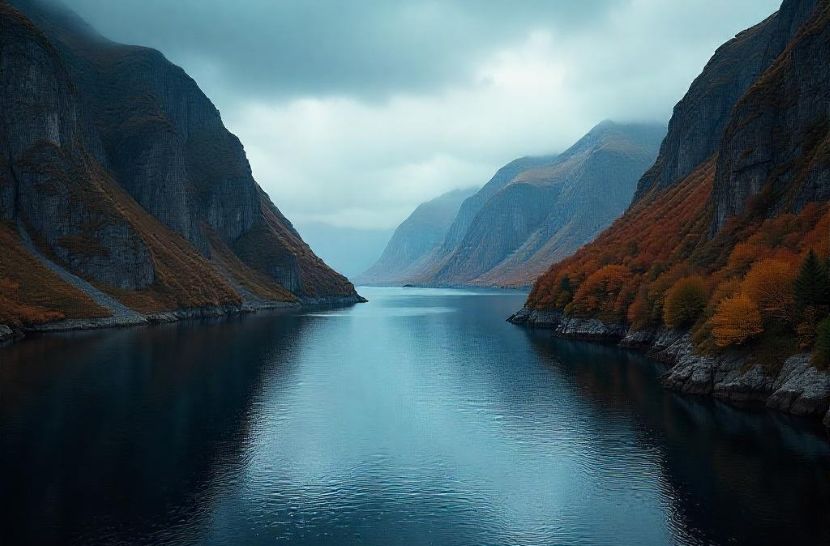
In a first-of-its-kind attempt to conserve the environment, Norway is all set to enforce a series of bold regulations, which require cruise ships cruising their majestic fjords to go green. From January 2026, vessels of less than 10,000 gross tonnage have to cruise the seas without churning out polluting greenhouse gases like carbon dioxide (CO₂) or methane (CH₄). The changes will be prevalent in key fjords like Nærøyfjorden, Aurlandsfjorden, Geirangerfjorden, Sunnylvsfjorden, and Tafjorden.
Vessels over 10,000 gross tonnage have until 2032 to adopt the new standard. It’s all a part of the nation’s broader crusade to battle pollution in their immaculate fjords, which have been a tourist hotspot all over the globe.
These new regulations, which cover both cruise ships and other passenger vessels, are designed to dramatically reduce air and noise pollution associated with sea use. As the number of visitors to Norway continues to grow, drawn by the majestic natural beauty of the nation’s fjords, the Norwegian state realizes the need to switch to a more responsible policy of tourism, which balances the economic interests of the area with the conservation of the area’s sensitive ecosystems.
The Environmental and Economic Impacts
Norway’s popular fjords are the core attraction of the country’s tourist industry. Foreigners are a major tourist attraction for the iconic landscapes, which helps boost the Norwegian economy. Yet the sector, particularly cruise tourism, has been blamed for environmental degradation such as air and water pollution, noise nuisance, etc. Over the last two years, the mega cruise ships have been a point of rising concern, which has led the government to seek out new ways of resolving the same.
The new zero-emission regulations are part of Norway’s wider push for environmental protection as well as the country’s aggressive climate aims. According to the Ministry of Climate and Environment, these initiatives will significantly reduce greenhouse gas emissions originating from the ship industry. In the long term, the regulations are going to benefit the local community through improved air quality, the protection of marine ecosystems, as well as a reduced environmental footprint of the tourist industry.
In response to the new laws, Climate and Environment Minister Andreas Bjelland Eriksen stated, “By setting zero-emission requirements for these internationally famous fjords, we are taking a significant step towards securing our environment and guaranteeing future generations can continue to enjoy the natural marvels of our landscapes.”
Phased Approach to Industry Adjustment
Norway’s initiative to implement zero-emission mandates shall take effect over several years, which shall grant the shipping industry sufficient time to adapt to the new mandates. Starting in 2026, the smaller passenger ships, like tourist ships and ferries, shall utilize forms of energy that do not involve a direct CO₂ or CH₄ release. But the larger cruise ships have until 2032 to abide, which shall grant owners sufficient time to upgrade to cleaner technologies as well as alternative fuels.
One of the significant roadblocks to adhering to the zero-emission standard is the technological mandate. For many ferry routes and cruises, let alone ships of considerable size, the retrofitting to zero-emission technology is not a simple task. Older systems, which are fueled by fossil fuels, are going to need to be replaced or upgraded with newer, cleaner systems like battery-electric or hydrogen fuel cells.
The Norwegian authorities have committed themselves to facilitating such a transition through investments in the right infrastructure. That involves the installation of shore power stations at key harbors like Flåm, which will allow ships to connect to the electrical power grid while berthed. That infrastructure investment will decrease the use of ships with their running engines while they are at port, reducing their emissions and noise pollution.
