
Bosnian media reveals Russian training network in the Balkans: Moldovans recruited in camps in Serbia and Bosnia and Herzegovina were trained for violent protests

Express newspaper
15/07/2025 12:01
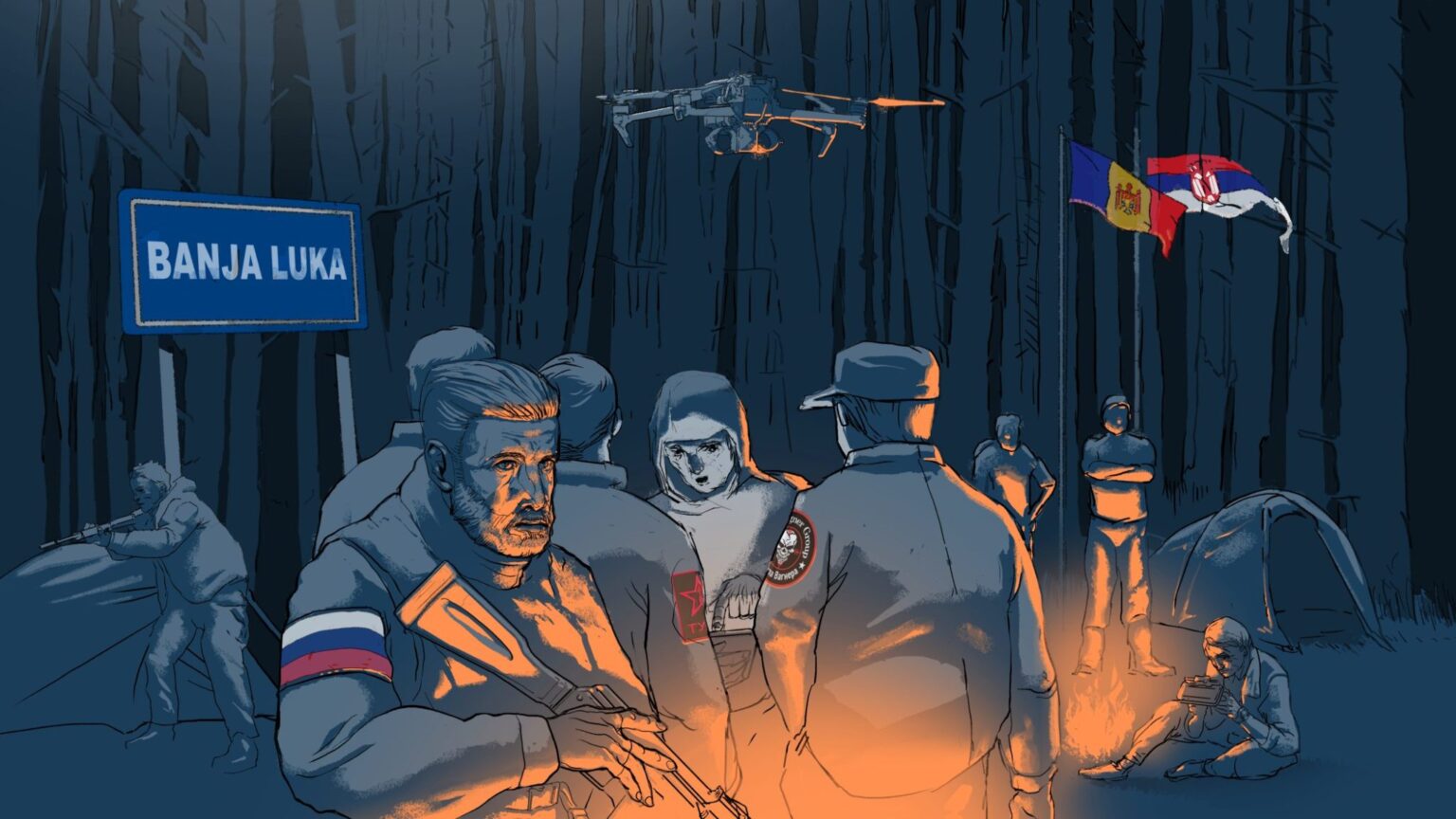
A joint media investigation detector and CU SENS has uncovered the existence of pre-war camps in Bosnia and Herzegovina and Serbia, where Moldovan citizens were trained under the supervision of Russian instructors affiliated with the notorious Wagner group.
Maxim Rosca, a 41-year-old Moldovan, admitted to being in the training camps twice – once in a camp near Banja Luka, and the second time in the Serbian village of Radenka, near the Romanian border. He said participants were stripped of their passports and phones and taught how to use drones, the psychology of war and how to provoke authorities during protests.
During the border check in Moldova, authorities discovered military equipment, dismantled drones, VR goggles, and instructions for explosives in the car carrying Rosca and four other people.
Moldova has launched legal proceedings against at least four people involved. Anatolii Prizenco, a businessman suspected of recruiting young people through paintball competitions, was arrested in Chisinau and is suspected of organizing the training. He was also linked to Russian-sponsored actions in Paris.
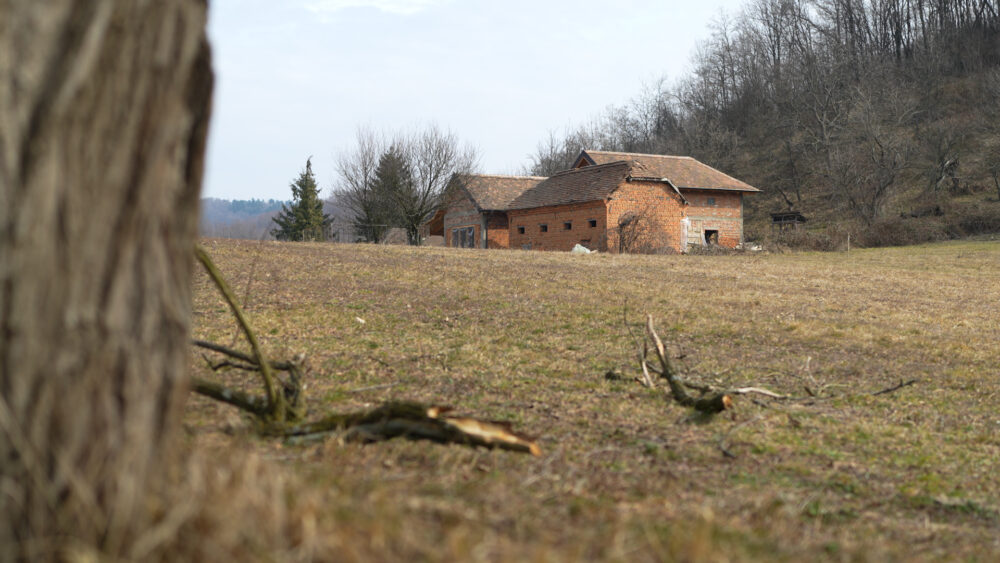
Meanwhile, authorities in Bosnia and Herzegovina initially denied the existence of the camps, but it has now been confirmed that the State Prosecutor’s Office has opened a criminal case. A camp in the village of Glamocan, near Banja Luka, and another in Radenka, Serbia, have been identified as training locations.
According to Moldovan authorities, these trainings were aimed at destabilizing Moldova through violent protests before the presidential elections. The Moldovan secret service list also includes figures linked to the Wagner Group, such as Mikhail Potepkin and Aleksandr Volkhonski, with international sanctions on them.
Moldovan officials have also accused authorities in BiH of a lack of cooperation, while Russia has called the issue Western propaganda.
The training camps in the Balkans are being seen as part of a broader strategy of Russian influence in Eastern Europe.