
Kaleigh Harrison
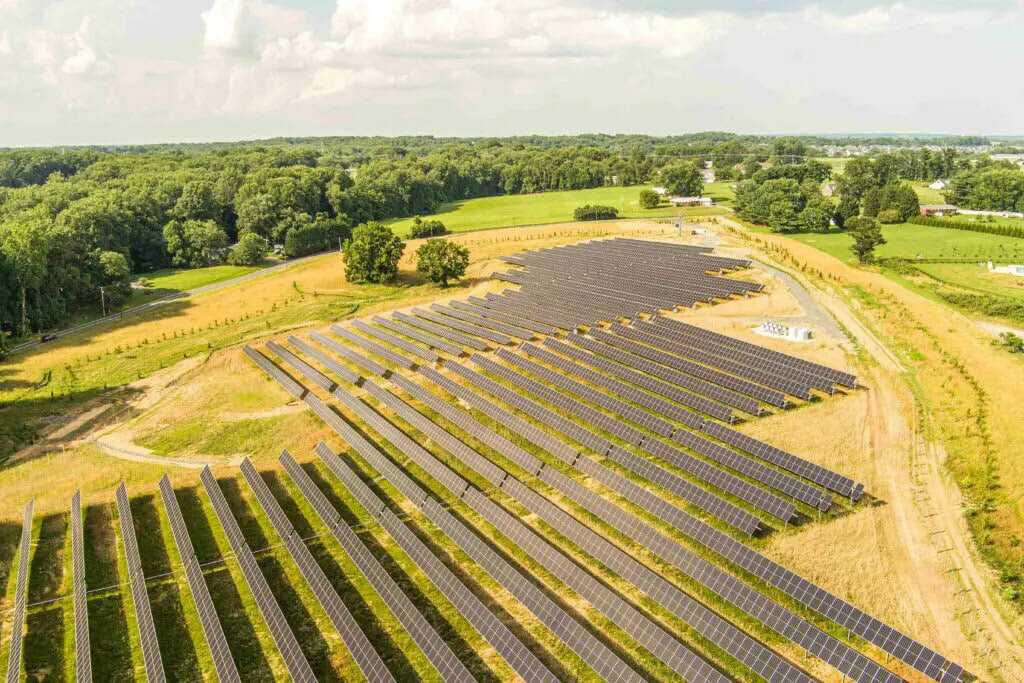
The Baltimore-Washington region just took a major step forward in clean energy with the launch of the Lime Kiln community solar project in Howard County, Maryland. This 3.2 megawatt system, developed by Maryland-based Chaberton Energy and operated by Pivot Energy from Colorado, is now fully energized and fully subscribed — proof that demand for accessible renewable energy is surging.
Clean Energy Without Rooftop Barriers
As energy costs continue to climb, projects like Lime Kiln offer a practical alternative for Maryland residents and businesses who can’t install solar panels themselves. Through Maryland’s Community Solar program, subscribers can expect around 10% annual savings on their electricity bills. This model breaks down barriers for renters and property owners with unsuitable rooftops while advancing the state’s target of 100% renewable energy by 2035.
The Lime Kiln facility can power roughly 500 local homes and businesses and offset emissions equivalent to taking 800 gas-powered vehicles off the road each year. In addition to its environmental footprint, the project demonstrates a financially viable approach to renewable energy that benefits local economies directly.
Beyond energy savings, Chaberton Energy’s community investment stands out. Through its Chaberton Cares initiative, the company donated $10,000 to the Bright Minds Foundation in Howard County to fund a five-year STEM scholarship for local high school seniors. This move supports education and helps prepare a new generation for careers in clean energy and sustainability.
Agrivoltaics and Biodiversity at the Core
The Lime Kiln site also integrates agrivoltaics, combining solar power with agriculture on the same land. Sheep graze beneath and around the solar panels, optimizing the use of the 15-acre site without displacing traditional agricultural activity. This dual-use approach underscores how solar projects can coexist with — and even enhance — local farming.
Pollinator-friendly plantings add another layer of environmental value. Native species like milkweed, asters, mountain mint, and black-eyed Susans (Maryland’s state flower) provide critical habitat for insects and birds, boosting local biodiversity and strengthening pollination for surrounding farms.
Chaberton Energy, recently named the fastest-growing community solar company in the U.S. and second fastest-growing overall in Maryland on the 2024 Inc. 5000 list, is cementing its role as a regional leader. Together with Pivot Energy, the partnership has developed about 40 megawatts of solar capacity nationwide, including the upcoming Project Greyrock in Wicomico County.