
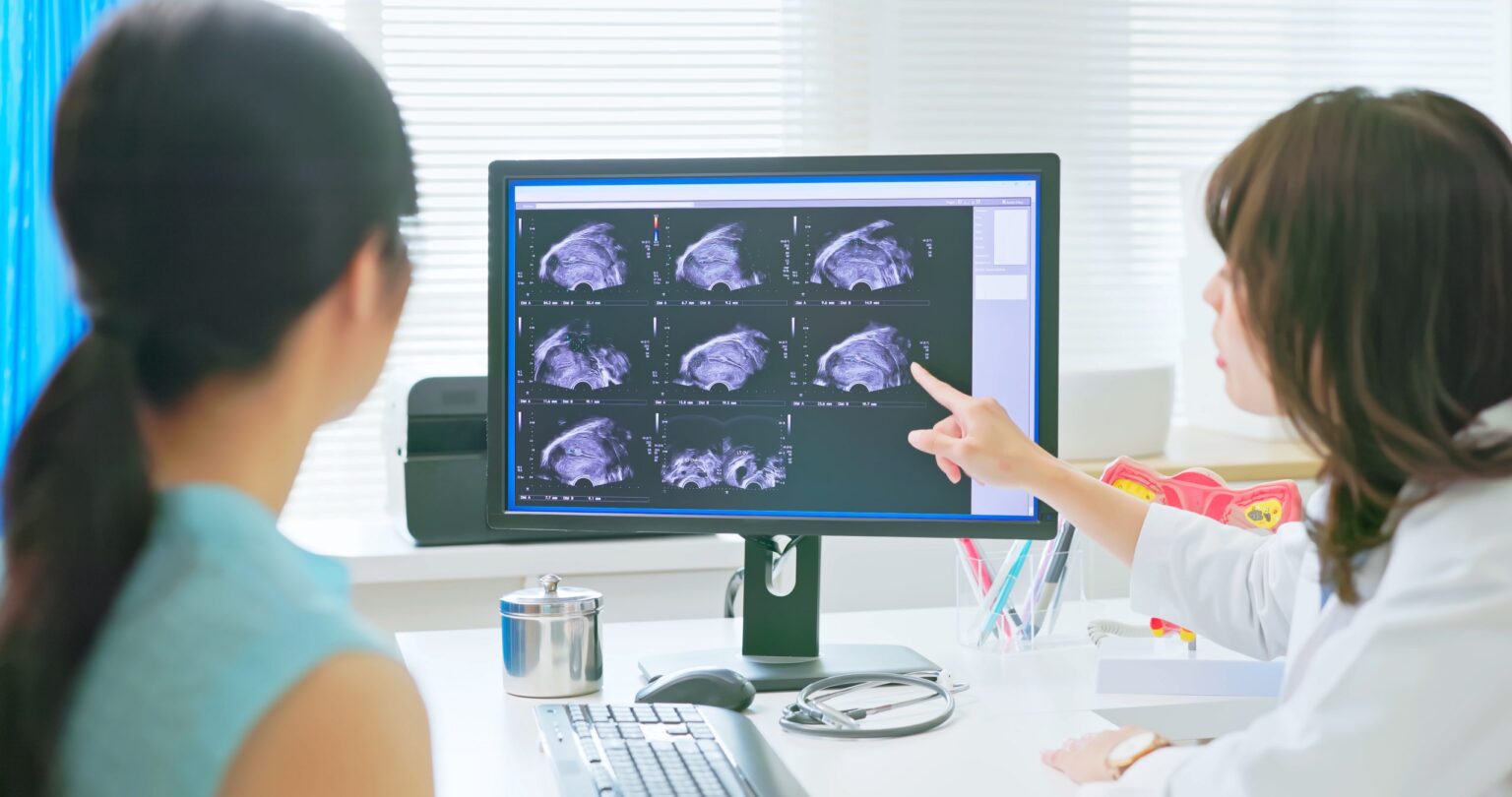
For years, Polish women with endometriosis struggled to find help, and the condition remained virtually invisible within the country’s healthcare system. That situation is finally set to change.
The Minister of Health has issued a new regulation, introducing a free nationwide model for diagnosis and treatment from 1 July. This systematic reform is the result of years of advocacy by the civic organisation “Pokonać Endometriozę” (Conquer Endometriosis).
“Today, this is possible because there are specialists and centres that can successfully take on this challenge. Yet 20 or 30 years ago, women found it almost impossible to get the help they needed,” Lucyna Jaworska-Wojtas, president of the “Pokonać Endometriozę” Foundation, told the Polish Press Agency.
The long road to diagnosis
In Poland, there has long been a lack of both awareness about endometriosis and the existence of public centres for its diagnosis and treatment, as well as a shortage of doctors specialising in the disease.
The symptoms of endometriosis are often difficult to pinpoint, as the complaints can resemble many different conditions. Among doctors, a persistent belief has taken hold that painful periods are simply a normal part of life. Patients are frequently told by their doctors, “That’s just how you are”.
As a result, the average time it takes for a woman suffering from endometriosis to be diagnosed in Poland is between seven and twelve years.
This delay is critical. The sooner the disease is detected, the better it can be managed, preventing the spread of lesions in the body that may later require painful surgical intervention.
New programme for endometriosis
Poland’s 1 July launch opened a comprehensive national system for treating endometriosis. As part of the programme, eight multidisciplinary centres have been established, where women suspected of having endometriosis can access free, holistic care.
The programme includes consultations with a range of specialists, not only gynaecologists but also surgeons and psychologists, alongside imaging diagnostics such as ultrasound and MRI, as well as pharmacological and surgical treatments (including laparoscopy). Additionally, support is available from dietitians and physiotherapists through the National Health Fund (NFZ).
“What we have struggled with for years is the fact that we were not coping with diagnostics and diagnosis,” said Health Minister Izabela Leszczyna during the inauguration of the programme at a scientific conference organised by the University Hospital in Kraków.
The Minister recalled that until now, patients would go from one doctor to another without receiving a diagnosis. “No regulation or law changes reality – it is we, the people, who change it,” she stated.
Leszczyna emphasised that it is up to doctors to bring about real change, highlighting the crucial role of the Polish Society of Gynaecologists and Obstetricians, as well as all the centres implementing the programme. Their task, she said, is to develop a diagnostic standard that will help gynaecologists support patients more effectively and know when to refer them to specialist centres.
Celebrity health claims under scrutiny
Just one week after the launch of Poland’s free national programme for endometriosis patients, a new controversy erupted on social media.
Ewa Chodakowska, one of the country’s most popular personal trainers and influencers, announced a collaboration with a chain of private diagnostic clinics. Through her platforms, she encouraged women to purchase a blood test package for diagnosing endometriosis, priced at €350.
Her promotion immediately drew strong criticism from doctors and medical experts, who were unanimous in pointing out that such tests do not diagnose endometriosis, and that marketing them in this way was “unfair to suffering women”.
According to the recommendations of the Polish Society of Gynaecologists and Obstetricians, blood markers should not be used as standalone diagnostic tools for endometriosis.
Critics also noted that women in Poland now have access to free, state-funded diagnosis and treatment for endometriosis via NFZ. By promoting an expensive commercial package, the influencer risked misleading patients and exposing them to unnecessary costs.
In light of the backlash, the test package was swiftly withdrawn from the market.
Yet the episode highlighted a broader issue: the responsibilities of public figures in health communication and the risk posed by celebrity-endorsed medical products in misleading vulnerable patients.
[Edited by Vasiliki Angouridi, Brian Maguire]