
Wednesday, July 23, 2025

Spain is leading the way in the battle against overtourism with the recent decision to cut cruise liners in Barcelona. To prevent irreversible damages to the city’s livability and sustainability, the city council and port authorities announced that two of its seven terminals would be shut down by 2025. The decision falls in line with the city’s strategies to dampen the negative impacts of mass tourism in the city, which has been putting an increasing burden on infrastructure and local services, and compromising the local quality of life. There is no question that by restricting the arrival of cruise ships, Spain is taking decisive steps to manage the creature, the beast, and will square the disparity between economic pressure and the conservation of a real Barcelona for the citizens and for future citizens.
Barcelona is taking bold and decisive measures to tackle the growing issue of overtourism by cutting the number of active cruise ship terminals at its port. In a move to preserve the city’s livability and sustainability, the city council, in collaboration with port authorities, announced plans to close two of its seven cruise terminals by 2025. This step is part of a broader strategy designed to mitigate the negative effects of mass tourism, which has been increasingly overwhelming local communities and infrastructures.
The closure will directly reduce the number of cruise terminals available at the Port of Barcelona, the largest cruise port in Europe. As a result, five terminals will remain in operation, cutting down on the volume of cruise ships docking in the city each year. The change is expected to alleviate congestion, particularly in the city’s most visited areas, which are frequently flooded with day-trippers during peak times.
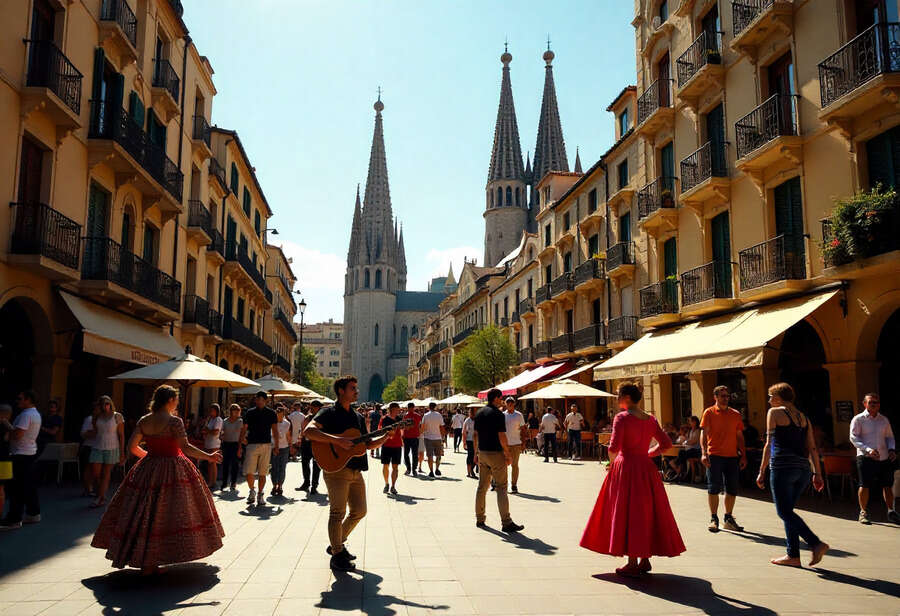
The city’s residents have long voiced concerns about the impact of mass tourism, particularly the influx of cruise passengers who flood central locations like La Rambla and the Gothic Quarter. Locals argue that the overwhelming numbers of tourists negatively affect daily life, pushing up the cost of living and even displacing residents due to soaring rental prices driven by short-term holiday lets.
In response to these concerns, the city’s decision to reduce the number of cruise terminals is coupled with plans for further environmental and social reforms. A significant aspect of the initiative is a study into the movement patterns of cruise passengers throughout the city. This study is expected to serve as a foundation for creating a sustainable mobility plan, ensuring that both residents and visitors can coexist without compromising the city’s resources or infrastructure.
The Port of Barcelona’s efforts don’t end there. The city also plans significant upgrades to port facilities, including the installation of onshore power supply systems. These systems will allow cruise ships to switch off their engines while docked, reducing harmful emissions and contributing to Barcelona’s commitment to improving air quality. This is one of several ongoing initiatives aimed at mitigating the environmental impact of tourism, particularly in a city that has become synonymous with both its rich cultural heritage and the challenges posed by its popularity as a tourist destination.
The decision to close two terminals is part of a wider effort to soften the social and environmental consequences of Barcelona’s booming tourism sector. In 2024, the Port of Barcelona handled an astonishing 1.6 million cruise passengers, many of whom were merely in transit. These day-trippers often descend on the city’s most iconic landmarks, causing significant strain on the city’s resources in a relatively short period.
While cruise tourism generates substantial revenue, it has come at a significant cost to the city’s residents. Most passengers disembark in the morning, enjoy a few hours of sightseeing, and return to their ships by late afternoon. While this influx of short-term visitors boosts local spending, it often fails to contribute meaningfully to Barcelona’s long-term economic growth. Locals argue that the benefits of cruise tourism are not evenly distributed, with short-term gains overshadowing the negative impact on neighborhoods, rental prices, and the local culture.
The frustration among residents reached a boiling point in July 2024 when anti-tourism protests erupted in the streets. Demonstrators, upset by the overcrowding and the loss of affordable housing, used symbolic acts of defiance, such as spraying tourists with water pistols, to express their displeasure. These protests highlighted the growing sentiment that the tourism industry, while a vital economic driver, is putting an unsustainable strain on the city’s infrastructure and quality of life.
By reducing the number of cruise ship terminals and upgrading port facilities, Barcelona is sending a strong message that it is taking the issue of overtourism seriously. These measures are not just about reducing the number of visitors but also about ensuring that tourism in the city is more sustainable, both in terms of the environment and the well-being of its residents.
Spain responds to overtourism in the city of Barcelona and limits the number of cruise ship terminals. The initiative is designed to help reduce pressure on the city’s infrastructure and maintain quality of life for residents.
As Barcelona continues to grapple with the challenges posed by mass tourism, the city’s efforts to balance economic growth with quality of life will be closely watched. The decision to close two cruise terminals is just one part of a much larger and more ambitious plan that aims to rethink how tourism is managed in one of Europe’s most iconic cities. In doing so, Barcelona hopes to strike a balance between preserving its rich cultural identity and offering a welcoming environment for both residents and responsible tourists.
