
Sunday, July 27, 2025

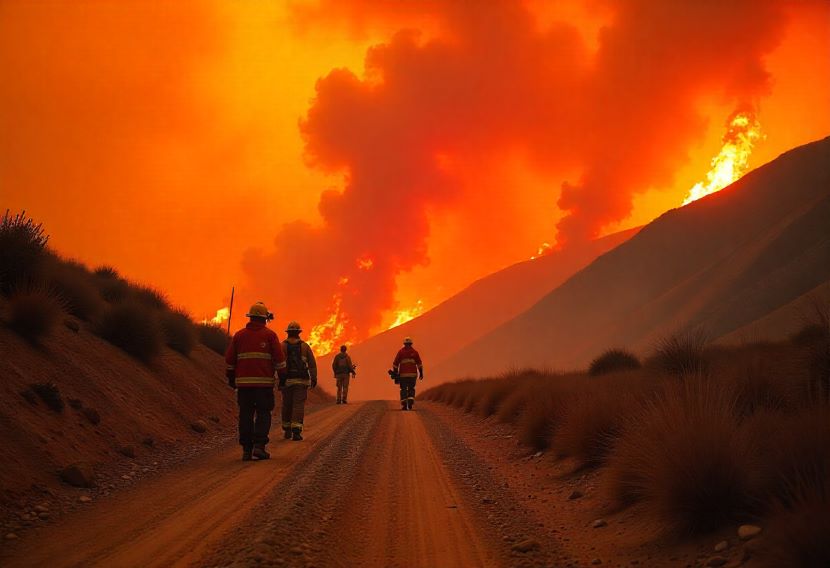
The summer of 2025 has been one of the hottest on record for Europe, as an unprecedented heatwave has swept across several countries, triggering deadly wildfires and causing serious disruptions to daily life and tourism. From the Mediterranean to the Scandinavian Peninsula, nations like Turkey, Greece, Cyprus, Sweden, Finland, and Norway are facing a combination of high temperatures, wildfires, and severe environmental damage. The devastating impact of this heatwave is being felt across the region, with wildfires threatening local communities and causing significant losses to businesses, especially in the tourism sector.
For tourists planning to visit these regions, the combination of extreme heat and fires poses serious safety risks. From evacuations in Turkey to major tourist site closures in Greece, travelers are facing a challenging summer. This year’s extreme weather conditions are a stark reminder of how climate change is affecting tourism, business, and daily life.
Turkey: Devastating Wildfires and Heatwaves
In Turkey, the heatwave has been particularly deadly, with temperatures soaring to 50°C (122°F) in some parts of the country. The wildfires that have broken out in several provinces, including İzmir, Bilecik, and Karabük, have been fueled by these scorching temperatures, claiming the lives of at least 13 people, including 10 firefighters. Thousands of hectares of land have been scorched, and over 50,000 people have been forced to evacuate their homes. Emergency response teams are battling the fires, but the situation remains critical.
Tourists in Turkey are experiencing significant disruptions, with several popular attractions, including sites along the Mediterranean coast, being temporarily closed. Authorities have advised travelers to avoid the affected areas and to remain indoors during the hottest parts of the day. For business travelers, the wildfires and heat are causing delays and cancellations, particularly in sectors dependent on outdoor activities, such as tourism and agriculture.
Greece: Battling Multiple Blazes Amid Record Heat
In Greece, wildfires and heatwaves have created a dire situation. Temperatures reached up to 44°C (111°F) in parts of the country, significantly higher than the usual summer temperatures. Over 50 wildfires have been reported across Greece, causing widespread evacuations, particularly on the islands of Evia, Crete, and Kythera. The Acropolis in Athens, one of the most iconic tourist sites in the world, was forced to close during peak hours for the safety of visitors.
The Greek government has been issuing regular warnings and emergency alerts as the fires continue to spread. As the country battles both the wildfires and the ongoing heatwave, the tourism industry has taken a severe hit, with thousands of tourists being forced to cut their trips short or seek alternative destinations. For those planning to visit Greece, staying updated on local advisories is essential.
Cyprus: Worst Wildfires in 50 Years
Cyprus is experiencing its worst wildfires in more than 50 years, with the heatwave pushing temperatures to 44°C (111°F) and exacerbating the spread of fires. The wildfires have already destroyed dozens of homes, particularly in rural areas, and burned approximately 39 square miles of forested land. The damage has been catastrophic, with at least two fatalities reported and around 100 people evacuated from fire-prone regions. Cyprus is receiving international support, with firefighters from Greece, Spain, and the UK helping to control the flames.
For tourists heading to Cyprus, the fires have led to temporary closures of tourist destinations and resorts in affected regions. Visitors are encouraged to stay away from wildfire-affected areas, and local authorities have implemented safety measures to protect both residents and travelers. Given the scale of the fires, business operations in tourism and hospitality have been disrupted, leading to temporary setbacks for the industry.
Scandinavia: Unprecedented Heat and Fire Risks
While the Mediterranean regions of Europe are bearing the brunt of the heatwave and wildfires, Scandinavia has not been spared either. Sweden, Finland, and Norway have experienced temperatures reaching 30°C (86°F) and above, which is far above the seasonal average. These high temperatures, combined with dry conditions, have resulted in numerous forest fires, particularly in Finland’s Lapland region.
In Sweden, where the Swedish Meteorological and Hydrological Institute issued warnings throughout the week, the heatwave has caused a spike in hospital admissions, particularly among the elderly and those with respiratory issues. Finland and Norway have similarly seen rising temperatures, and authorities are monitoring the situation closely. Tourists in these countries should take necessary precautions to avoid heatstroke and dehydration, especially in the affected forested areas.
The Growing Impact on Business and Tourism
The wildfires and heatwaves across Turkey, Greece, Cyprus, and Scandinavia are not only a disaster for local communities but also have severe implications for the tourism industry. The fires, evacuations, and health risks caused by the extreme heat are deterring travelers and affecting the travel plans of thousands. Popular tourist destinations in Greece and Turkey have been impacted, with many tourists cutting their vacations short or canceling future plans.
Business travelers are facing challenges as well, as infrastructure disruptions, flight delays, and the need for emergency measures make it difficult to conduct meetings or events. Sectors such as hospitality, outdoor tourism, and agriculture are experiencing the worst of the disruptions, while local businesses in these regions are bracing for significant financial losses.
Quick Tips for Tourists in Affected Regions
- Stay Informed: Keep updated on weather warnings and local advisories regarding heatwaves and wildfires.
- Limit Outdoor Activities: Avoid outdoor sightseeing, especially during the hottest parts of the day.
- Be Prepared for Evacuations: If you’re traveling to areas at risk of wildfires, familiarize yourself with evacuation routes and safety protocols.
- Stay Hydrated: Drink plenty of water, particularly in regions experiencing extreme heat.
- Follow Local Safety Instructions: Adhere to evacuation orders and health advisories issued by local authorities to ensure your safety.
Conclusion: A Wake-Up Call for Sustainable Travel
The extreme weather events in 2025 across Europe, especially in Turkey, Greece, Cyprus, and Scandinavia, underline the urgent need to address the climate crisis. These wildfires and heatwaves are not only devastating local communities but are also disrupting tourism, a vital economic sector for many countries. As climate change continues to exacerbate such extreme weather events, it is important for travelers to adapt, stay informed, and prioritize sustainable practices when planning their trips.
For both tourists and business travelers, the summer of 2025 serves as a reminder of the importance of being prepared for extreme weather conditions, and it’s clear that addressing the broader environmental issues at play is crucial to the future of global tourism.
