
Kaleigh Harrison
Key Takeaways
- Material Sciences Corporation cut energy waste by 50% after moving from basic interval data to real-time monitoring across its substations.
- By improving its performance in PJM’s Demand Response program, MSC was able to reduce the frequency of curtailments while maintaining production.
- Access to real-time data and grid forecasts allowed MSC to move away from last-minute decisions and toward more strategic energy planning.
- The system now automates responses to peak events, helping the company manage demand without disrupting operations.
- In addition to cutting costs, the changes helped MSC tap into revenue opportunities through improved participation in grid programs.
Material Sciences Corporation (MSC) has significantly improved its industrial energy efficiency, cutting energy waste in half by implementing an Energy Management System. The move enabled MSC to double its performance in PJM’s Demand Response program while reducing the number of demand-shedding events by 50%—a major win in both operational resilience and cost control.
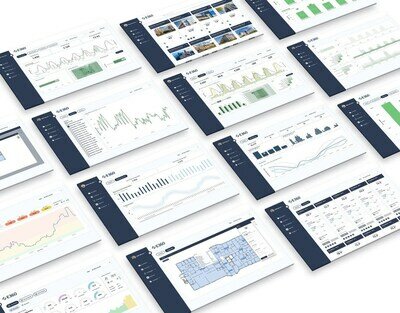
Historically, MSC, like many manufacturers, relied on outdated systems that offered only 15-minute interval data—hardly useful for navigating peak grid events or making quick decisions. Sanalife’s E360 now provides 1-minute interval insights and real-time forecasting tied directly into PJM’s system, enabling MSC’s energy operations to shift from reactive to predictive.
MSC can anticipate grid volatility and optimize load strategies accordingly. This change has enabled the company to minimize unnecessary curtailments, keeping production lines running—a shift that directly impacts both bottom-line efficiency and top-line revenue potential through demand response earnings.
Smart Grid Software Drives Revenue and Uptime
Through real-time tracking of 5CP indicators and automated demand response event forecasting, MSC has streamlined its load management process. This has reduced the burden on plant operations staff and improved decision accuracy during high-stakes grid events.
Sanalife’s integration with PJM gives MSC’s team direct access to grid intelligence, replacing rough estimates with real-time forecasts. According to CTO Matt Murphy, the E360 system quickly became one of the facility’s core tools: “Overnight, this software became one of the most essential tools in our entire plant. With rising cost pressures and shifting regulations, E360 delivers the foresight and control we never had before. We’re no longer reacting; we’re optimizing our production output and driving down energy costs,”
The automation has also opened up new financial opportunities. By staying online during key windows and cutting unnecessary downtime, MSC can participate in more grid programs, capturing incentives without compromising throughput.