
Wednesday, July 30, 2025

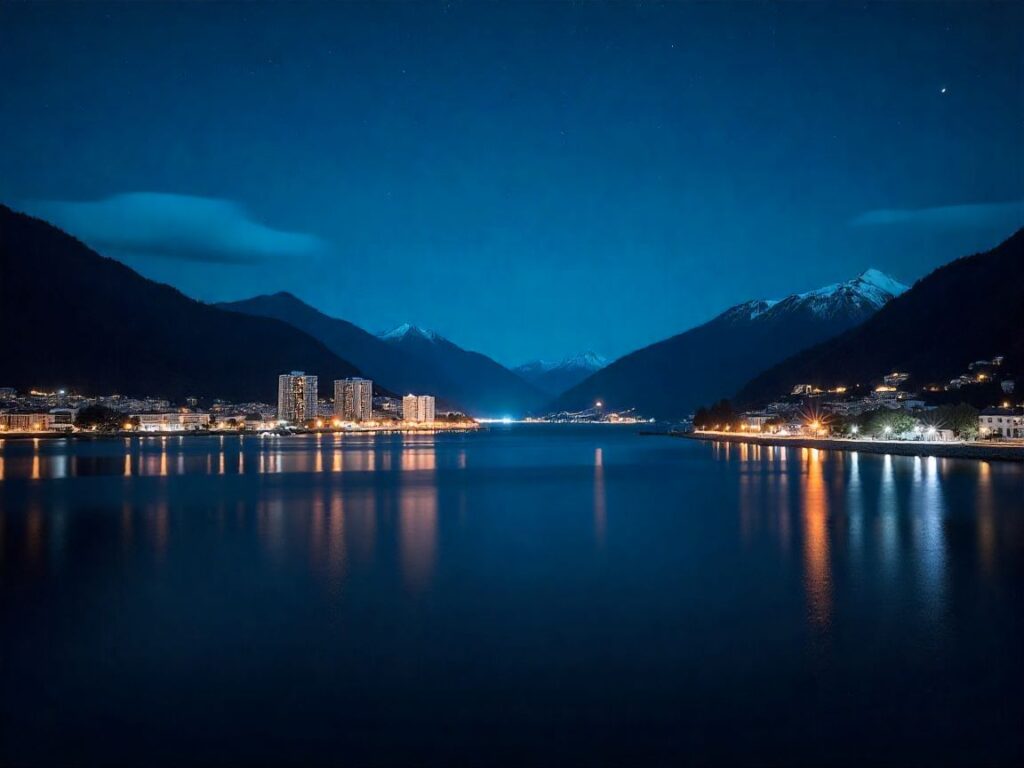
Queenstown’s ongoing struggles with growth and infrastructure offer a stark lesson in the “limits to growth” theory. The town, nestled in New Zealand’s Wakatipu Basin, is physically constrained by its mountainous surroundings and limited land space. As New Zealand news continues to report, Queenstown is dealing with a host of challenges that underscore the reality of finite resources and the unsustainable consequences of unchecked development.
Queenstown’s Struggling Infrastructure
In Queenstown, one of the most visible issues is its overburdened infrastructure. Surrounded by mountains and a lake, the town’s ability to grow is restricted by natural geography. The road network, the main artery for both locals and tourists, is increasingly inadequate for the rising number of people relying on it.
- Traffic congestion: Daily traffic jams are becoming more common, and what should be an 8-minute bike ride often turns into a 20-minute drive, thanks to constant congestion. These transport issues in Queenstown continue to be a major concern, with little room for expansion due to the town’s physical limits.
- Limited transport options: Queenstown’s airport, one of the busiest in New Zealand, faces significant challenges related to its difficult location and limited capacity. Plans to expand the nearby Wanaka Airport were blocked by local residents, further highlighting the struggle with transport infrastructure. This ongoing issue is frequently featured in New Zealand news as a growing problem for both residents and visitors.
The Housing Crisis in Queenstown
One of the most pressing issues reported in New Zealand news is the severe housing crisis in Queenstown. The rapid growth of the town, driven largely by tourism, has caused property prices to soar. This has made affordable housing out of reach for many local residents, particularly for workers in the tourism and service sectors.
- Affordable housing shortage: As property prices rise, many locals are forced to find alternative living arrangements, including living in cars or vans. This has worsened the housing crisis, not just in Queenstown, but also in nearby towns like Kingston and Cromwell, which now face similar housing shortages as workers commute into Queenstown.
- Overseas property speculation: The demand for vacation homes from overseas buyers has only driven up property prices, leaving essential workers with few affordable housing options. Local leaders are beginning to take action to address this, but the housing crisis continues to be a significant issue in Queenstown and throughout the country.
Environmental and Waste Management Challenges
In addition to the housing crisis, Queenstown infrastructure problems extend to waste management. The town’s sewerage system, designed for a much smaller population, is now struggling to keep up with the influx of residents and visitors. As reported in New Zealand news, Queenstown’s outdated infrastructure has led to poorly treated sewage being discharged into local rivers, raising environmental concerns.
- Outdated sewerage system: With rapid growth and insufficient infrastructure upgrades, Queenstown is facing a sewage crisis. This is a direct consequence of poorly planned expansion and highlights the need for sustainable infrastructure to keep up with growth demands.
The Need for Sustainable Growth
Queenstown’s situation reflects broader challenges facing New Zealand as a whole. The country has been pursuing growth at all costs, but the reality of finite resources is becoming increasingly apparent. As New Zealand news continues to cover, the limits to growth are being tested, especially in tourist-driven areas like Queenstown.
- Sustainable tourism: The COVID-19 pandemic presented an opportunity to rethink tourism in New Zealand. There was a chance to promote more sustainable tourism practices, but many of the businesses and initiatives that received government support returned to business as usual. Moving forward, sustainable tourism should be a priority for the country, to help preserve its natural beauty while supporting local economies.
- Long-term planning: New Zealand needs to adopt policies that prioritize sustainability over unchecked growth. This means promoting sustainable urban planning, green infrastructure, and better management of natural resources to ensure that growth does not come at the expense of the environment or the well-being of its communities.
New Zealand’s Broader Growth Challenges
As Queenstown continues to face infrastructure and environmental challenges, New Zealand as a whole must consider the broader implications of the limits to growth. The country is not immune to the pressures of finite resources, and it is crucial for both local and national governments to embrace more sustainable growth strategies.
- New Zealand growth: As the population continues to rise, New Zealand must think critically about how it manages growth. The focus should not only be on increasing the number of houses, roads, and businesses but also on ensuring that these developments align with sustainable practices that protect the environment.
- Policy shifts: Local and national governments must shift their policies away from a growth-at-all-costs mentality. By adopting models such as permaculture, regenerative cultures, and Doughnut Economics, New Zealand can create a future that balances human needs with environmental preservation.
Conclusion
Queenstown’s experience with infrastructure challenges, the housing crisis, and environmental concerns is a powerful example of the limits to growth in action. The problems facing Queenstown are not isolated; they reflect a broader challenge that New Zealand must address. As highlighted in New Zealand news, it’s time for the country to reassess its approach to growth and prioritize sustainability.
By embracing innovative solutions and long-term planning, New Zealand can navigate the challenges of growth while ensuring that future generations inherit a healthy, balanced environment. The limits to growth are real, and the time to act is now.
