
Saturday, August 2, 2025

In recent years, Spain’s breathtaking beaches, a major draw for millions of tourists, have come under increasing threat from coastal erosion. Stretching from the vibrant shores of Barcelona to the quieter, natural beaches of Sagunto, these idyllic coastlines are being reshaped at an alarming pace. The erosion crisis is not only a challenge for coastal ecosystems but also a significant blow to Spain’s thriving tourism industry, which accounts for nearly 13% of the nation’s GDP. With key beach destinations experiencing severe sand loss, Spain is facing an urgent need for comprehensive action to safeguard its coastlines, its local communities, and the vast tourism sector that relies on these sandy havens.
The situation has escalated in 2025, as a combination of severe storms, rising sea levels, and lack of adequate coastal protection measures have pushed many beaches into a state of irreversible damage. From Barcelona’s man-made shores to the natural landscapes of Sagunto, authorities and local communities are scrambling to implement solutions before more precious coastline is lost. With millions in revenue tied to beach tourism, the stakes couldn’t be higher.
Meta Text: Spain’s coastal erosion crisis threatens tourism as beaches from Barcelona to Sagunto face rapid sand loss and severe erosion. Urgent action is needed to save them.
Overview: Spain’s Beach Erosion Problem
Spain’s beaches are central to its tourism appeal, attracting millions of visitors every year. However, the increasing rate of coastal erosion presents a grave challenge to both the environment and the economy. According to studies, approximately 20% of Spain’s municipalities with a coastline face the risk of losing their beaches entirely. In addition, almost half of these coastal areas are suffering from varying degrees of erosion, ranging from moderate to critical. Only about 30% of the country’s beaches may see any form of expansion.
Regions most at risk include Catalonia, Valencia, Andalusia, and the Costa Blanca. These areas, renowned for their pristine beaches, are now facing the dual challenge of protecting their natural beauty while addressing the economic implications of losing these essential tourist attractions.
Key Statistics:
- 20% of Spain’s coastal municipalities are at risk of losing their beaches.
- 46% face moderate to critical levels of sand loss.
- In Catalonia, nearly 50% of beaches are expected to deteriorate due to high erosion risks.
- The Costa del Sol has already lost over 200,000 m² of beach since the mid-20th century.
Barcelona & Montgat: A Crisis on the Horizon
Barcelona, one of Spain’s most famous tourist destinations, is experiencing significant beach erosion. The city’s beaches, many of which were artificially created for the 1992 Olympics, are now severely eroded. From July 2023 to April 2024, around 60 acres of shoreline were lost due to winter storms, and beaches from Badalona to Montgat have lost more than 50 meters of sand. Montgat, in particular, has seen a staggering 70% reduction in its beach surface in just four years.
Efforts to replenish sand have been ineffective, and experts are now urging for more structural solutions, such as modular breakwaters or the restoration of dunes. The city is in dire need of a comprehensive plan to address this ongoing issue, as traditional methods of replenishing sand are proving to be unsustainable in the long term.
Sagunto’s Struggle: Critical Erosion Threatens Local Communities
Moving further south along Spain’s eastern coast, Sagunto in the Valencian Community is facing its own erosion crisis. Beaches like Almardà, Corinto, and La Malvarrosa are showing signs of severe degradation. The situation here has prompted local community groups and municipal leaders to demand urgent action. Civil protests have already taken place, urging the government to accelerate regeneration projects.
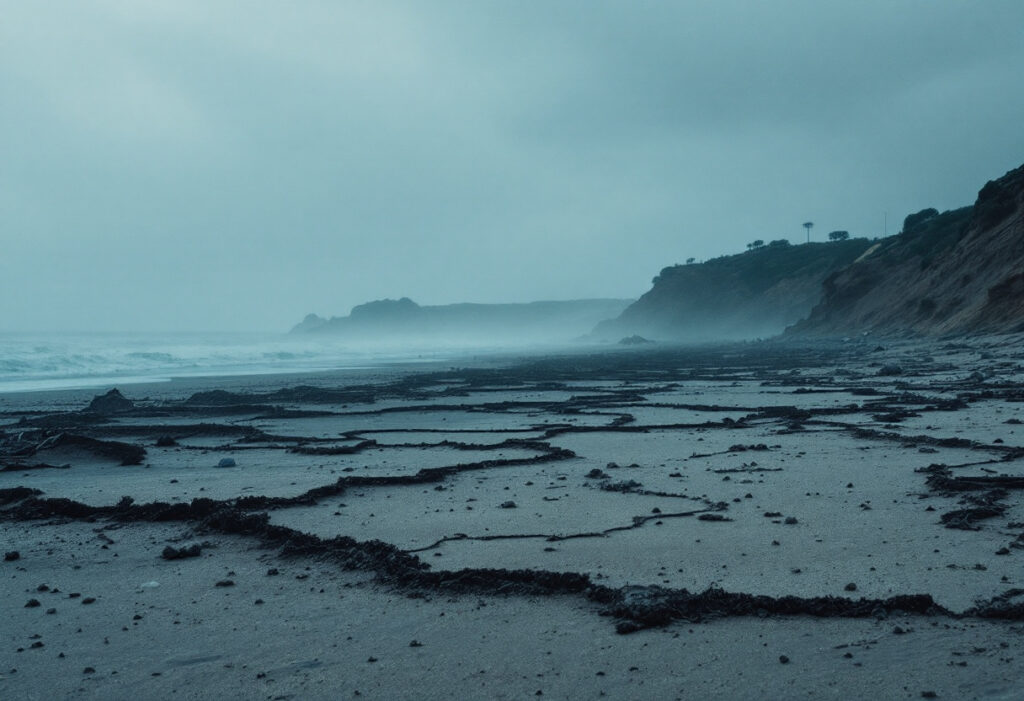
In February 2025, local authorities and residents raised alarms about the coastal erosion, particularly the loss of dunes and beaches that have historically protected the inland areas. In July 2025, repeated storms exacerbated the problem, creating erosion “steps” of more than 2 meters in height, pushing the shoreline dangerously close to residential buildings and campsites. Despite ongoing pressure from the local population, government responses have been slow, with critical projects awaiting approval due to delays in necessary environmental assessments.
The Nationwide Impact: Tourism and Local Economies at Risk
The effects of coastal erosion extend far beyond the beaches themselves. Spain’s tourism industry, one of the largest in Europe, heavily depends on these coastlines. From the Mediterranean beaches of Valencia to the Atlantic shores of Galicia, tourists flock to Spain for its sunny beaches, crystal-clear waters, and vibrant coastal communities. The threat of losing these beaches raises significant concerns for local economies, particularly in regions like Costa Blanca, Costa Brava, and Costa del Sol.
Beaches are integral to the tourism infrastructure, driving demand for hotels, restaurants, shops, and other local services. Without these coastal attractions, Spain could see a decline in tourism-related revenues, which could have wide-reaching effects on both local economies and national GDP. In fact, the loss of even a small percentage of Spain’s beaches could result in millions of euros in lost revenue.
A Call for Action: Structural Solutions Needed
Experts and local governments are increasingly calling for a shift in approach to managing coastal erosion. While beach nourishment—replenishing sand—is a common short-term solution, it is no longer seen as sufficient in many regions. Structural measures, such as the construction of breakwaters, dunes, and coastal defenses, are being discussed as necessary to protect Spain’s beaches and their surrounding ecosystems.
In addition to these physical interventions, long-term planning is essential to ensure that Spain’s beaches are resilient in the face of climate change and rising sea levels. Sustainable coastal management strategies, integrated with tourism planning, are essential to maintaining Spain’s competitive edge as a top tourist destination.
The Social and Cultural Implications of Erosion
Coastal erosion also carries significant social and cultural consequences. Beaches have long been an integral part of Spain’s coastal communities, contributing to local cultures and lifestyles. As these beaches erode, there is a tangible loss not only of natural beauty but also of cultural heritage. Many beachside communities have built their identity around the coastlines, and the loss of these spaces would disrupt the way of life for thousands of people.
Moreover, the threat to beaches raises concerns about environmental degradation. The loss of sand dunes, coastal vegetation, and marine life habitats creates long-term consequences for biodiversity and ecosystem services. These ecosystems play a critical role in maintaining water quality, protecting shorelines from storms, and supporting wildlife, including many species that are unique to Spain’s coastal regions.
What Comes Next: Protecting Spain’s Coastline
As Spain grapples with this growing crisis, it is clear that immediate and sustained action is necessary. Efforts must be made to restore damaged beaches, reinforce coastal defenses, and plan for future challenges. The political will to invest in these solutions is critical. Proactive measures that integrate environmental protection with tourism sustainability will be key to ensuring that Spain’s beaches remain a vital asset for generations to come.
As the situation continues to develop, both local authorities and national government agencies will need to work together, with the support of environmental experts, to develop effective, long-term solutions. Without these actions, Spain risks losing much more than just its sandy shores—it could lose an integral part of its identity, culture, and economic well-being.
Conclusion: Preserving Spain’s Beach Paradise
Spain’s beaches are an essential part of its tourism and national identity. From the bustling shores of Barcelona to the serene sands of Sagunto, these beaches not only attract millions of visitors each year but also provide economic and cultural benefits to coastal communities. However, with coastal erosion threatening to reshape Spain’s coastline, urgent action is required. Protecting these beaches is not just an environmental necessity but also a vital economic and cultural imperative. With the right measures in place, Spain can continue to safeguard its coastal treasures for future generations.
