
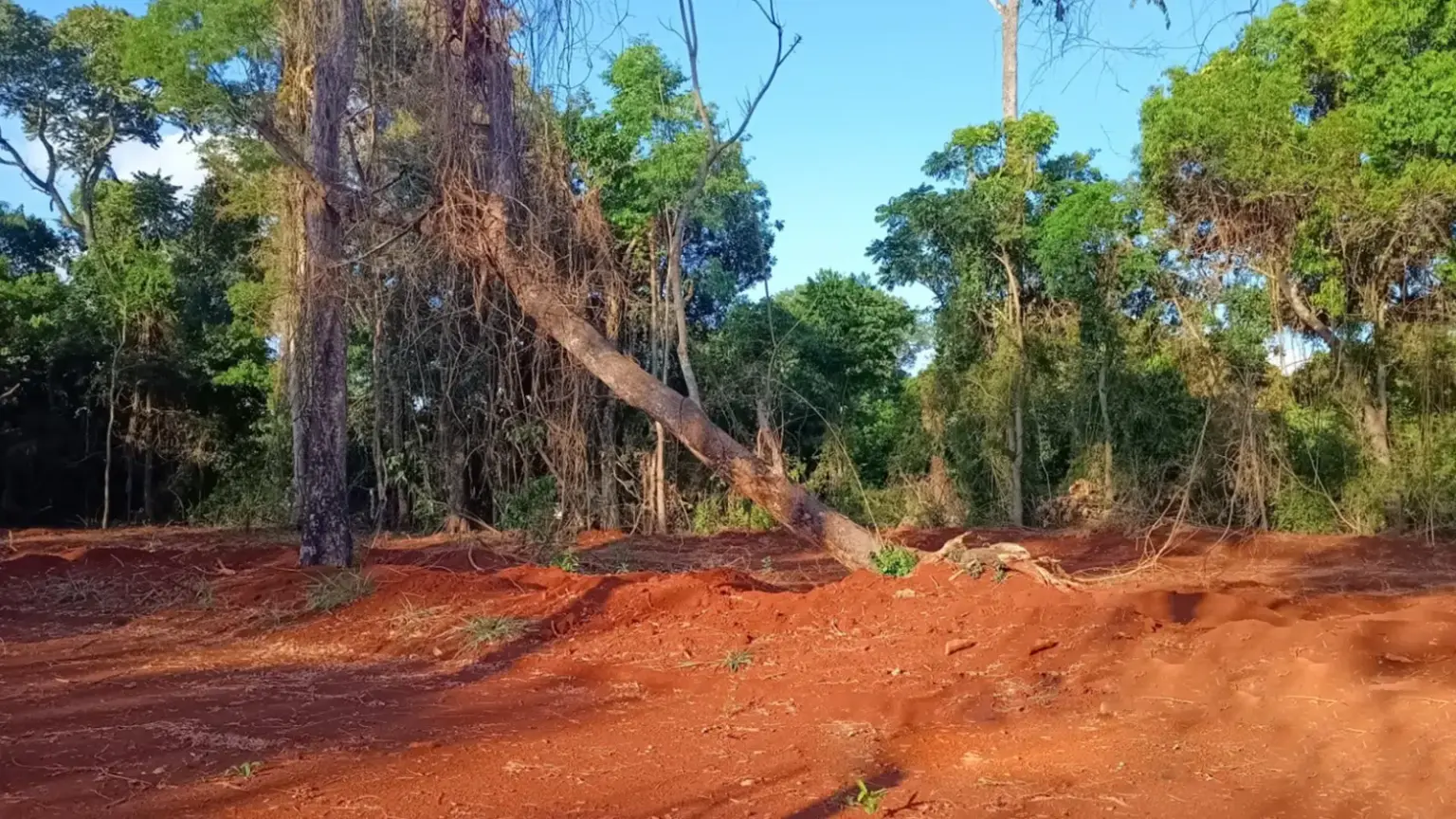
The suspension of the kart circuit has been decided, with the recent resolution of the Ministry of Ecology and Renewable Natural Resources of Misiones rejecting the environmental viability of the kart circuit project in Puerto Iguazú, due to its negative impact on the environment, has received broad support from various environmental organizations.
The NGOs highlighted the measure for its determined focus on defending the ecosystems of Misiones
International organizations, such as Greenpeace, and globally recognized environmental leaders emphasized the importance of stopping projects that pose a threat to areas with such a rich biodiversity as those surrounding Puerto Iguazú.
From these voices, the decision was valued as an example of responsible environmental management, fully aligned with global commitments to conservation.
Moreover, they pointed out that protecting these territories is not only essential at a local level, but also significantly contributes to the preservation of key ecosystems at a regional and global scale.
The decision of the environmental portfolio was based on a thorough evaluation of the negative impacts that the activity of the kart circuit would imply in the area, especially due to its proximity to the Provincial Park Puerto Península.
The technical report detailed a series of environmental risks, including acoustic, light, air, soil and water pollution, habitat fragmentation, and increased risk of forest fires over a protected area of high ecological value.
Endangered species inhabit this area, such as the jaguar (Panthera onca), declared a natural monument of the province, highlighting the delicacy of the ecosystem.

Voces que condenan el kartódromo y están en defensa del ecosistema misionero
Facing this scenario, Fernando Piesco, president of the Dante Piesco Foundation and the Ohana Rescue Center, described the project as an “ecological abuse“.
He expressed his deep concern for the damages already caused in a crucial area for Misiones biodiversity: “Progress was made without prior study or approval in an area where it is known that there are extremely important species.
Thinking of installing engines, noise, and people moving around there is totally illogical. The animals would have to move, they would not withstand that level of disturbance,” Piesco warned.
From Ohana, they also demanded the repair of the environmental damage: “That deforestation must be remedied, those responsible must take responsibility,” he emphasized.
It is worth mentioning that out of the 5 hectares comprising the construction site, the damage caused was just over one hectare, representing 22% of the affected area.
In the same vein, Agustín Paviolo, researcher at CONICET and coordinator of the Jaguar Project, considered the Ministry of Ecology’s decision “appropriate”: “To build the track, a very sensitive area was cleared next to a protected area.
The operation of a kart circuit there could seriously affect the native flora and fauna. Not authorizing it is correct, and this type of infrastructure should seek other locations, away from areas with high ecological value,” he stated.
Likewise, Paviolo emphasized the urgent need to start an environmental restoration process: “The ecological damage is considerable, and although the forest can regenerate, it will take years, but it is essential to start that process,” he added.
On their part, from Aves Argentinas, they pointed out that, although they do not disagree with such an undertaking in the city, they consider that the chosen site is not appropriate: “That site is a buffer area of the Provincial Park Puerto Península, with confirmed presence of many species of high value for conservation,” they emphasized.
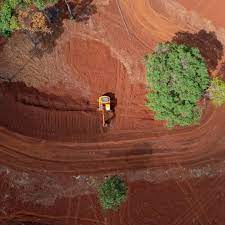 Area deforested by the construction of the kart circuit in Puerto Iguazú[/caption>
From this organization, which works in collaboration with different municipalities to promote sustainable tourism and production, they argue that the municipality of Puerto Iguazú should “continue promoting initiatives that fit within that framework”.
The Guirá Oga Wildlife Refuge (based in Puerto Iguazú) also expressed deep concern about the progress of the kart circuit project, due to the negative impact that this type of activity generates in an area adjacent to an ecosystem of such high biological value: “The development of this project would not only compromise the conservation of the environment but could also seriously affect the environmental services that this ecosystem provides to the community,” they warned from the institution.
Furthermore, they highlighted and appreciated the actions of the Ministry of Ecology “for their commitment to the protection of these environments, for enforcing regulations, and for supporting reforestation as a restoration measure for the area with native species”.
The positions expressed in response to the Ministry of Ecology’s decision reflect a general consensus in defense of environmental conservation and respect for current regulations.
From the various sectors involved in the protection of biodiversity, it is emphasized that the rejection of the kart circuit project responds to the unavoidable need to prioritize the integrity of ecosystems over activities that generate negative impacts.