
The International Air Transport Association ( IATA) has published its transport statistics report for 2024. In this report, IATA includes information about the most flown aircraft type in the world, the world’s busiest routes, travel growth by region, and the world’s largest aviation market. Among these statistics, IATA also publishes worldwide international travel figures for economy class and for premium classes, which have noticeably outpaced passenger figures for international economy in 2024.
Traditionally, most airlines make the majority of their profits from premium classes such as business class, but sell the majority of their tickets to economy passengers. In recent years, however, demand for premium classes has noticeably grown, largely driven by leisure travelers booking tickets in business class or premium economy. This is especially true in the Americas and Europe, where “premium leisure” has been outpacing growth in economy for years.
Where Is Premium Travel Growing, And Where Is It Not?
Photo: Phuong D. Nguyen | Shutterstock
Around the world, international premium travel has grown by 11.8% compared to 2023, narrowly beating worldwide growth in international economy travel by just 0.3%. In total, 116.9 million passengers traveled in international premium cabins in 2024.
This discrepancy was seen in Europe, North America, Latin America & Caribbean, and the Middle East. Europe saw the highest number of international premium passengers overall, at 39.3 million passengers. The Middle East had the highest percentage of international premium passengers, at 14.7%, while Latin America & Caribbean saw the most amount of growth in premium travel out of these four regions, at 21.8%.
Region
Growth in international premium travel vs. 2023
Asia Pacific
22.8%
Latin America & Caribbean
21.8%
Middle East
11%
North America
9.4%
Europe
8.1%
Africa
5.6%
The Asia Pacific region saw the most growth in premium passengers out of any region in the world, recorded at 22.8%. However, growth in economy passengers was larger overall, measured at 28.6%. Additionally, the Asia Pacific region was the fastest-growing region in 2024, with passenger figures rising by 28.3%. Meanwhile, Africa saw a 5.6% jump in premium passengers compared to 2023.
What’s Driving The Growth In Premium Passengers?
Photo: minhanphotos | Shutterstock
For decades before the COVID-19 pandemic, most airlines generated a majority of their profits from business travelers. Often, these passengers are employed by companies that hold large contracts with a specific airline, and would be provided travel in business class. This was beneficial for companies, while the airlines profited hugely from the lucrative contracts.
While leisure travel recovered relatively quickly after the COVID-era lockdowns ended, business travel was slower to recover. The rise of remote work and virtual meetings reduced the need for business travel, which was problematic for legacy carriers. However, not only is business rising more in recent years, but long-haul premium travel is also increasing.
This fast-growing segment of travel is made up of leisure passengers who traditionally flew economy, but are now upgrading to premium cabins on long-haul flights. This is the primary reason behind the growth and robustness of premium travel. With business travel increasing, this means that premium cabins are more important than ever to airlines.
Who’s Winning As A Result Of This Growth?
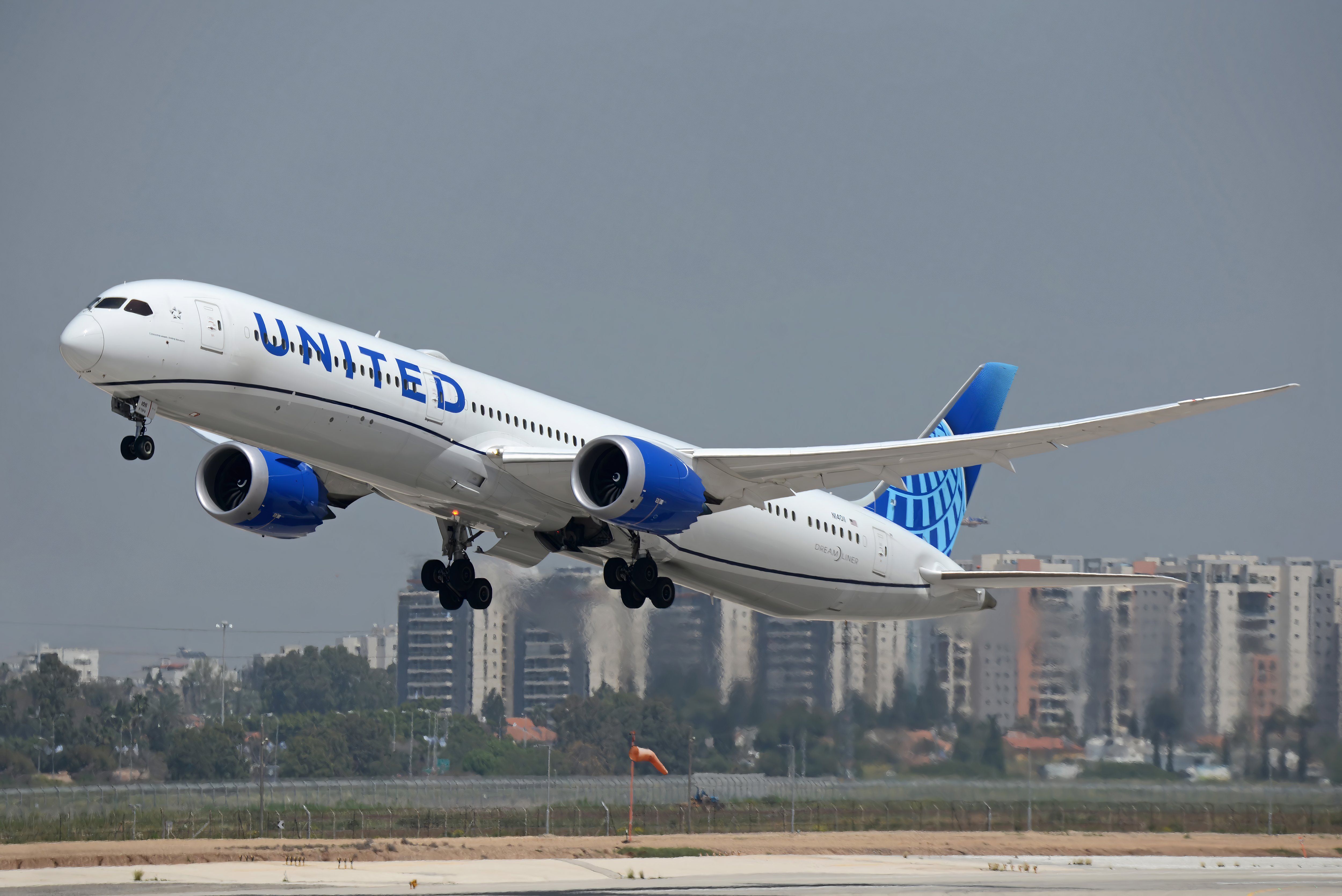
Photo: Felix Tchvertkin | Shutterstock
The growth of premium travel has overwhelmingly benefited legacy airlines, and this is perhaps most apparent in the United States.  Delta Air Lines, which for years has profited from being the US’ ‘premium’ airline, is now facing stiff competition from
  United Airlines, which is emulating Delta’s strategy to become more premium. These two airlines have massive international networks and are drastically outperforming American Airlines, which has a less premium image and a smaller long-haul network.
Earlier in 2025,  Emirates announced that it was now the world’s most profitable airline. Emirates has one of the best public images of any airline, with its luxuriously equipped A380s with onboard bars and first-class showers providing a halo effect on the carrier’s brand. Furthermore, Emirates’ enormous long-haul network is perfect for the carrier to take advantage of the rise in long-haul premium leisure travel.
These travel trends have not benefited budget airlines nearly as much as legacy carriers. While certain airlines, such as Ryanair, have maintained incredible profit numbers, others, like Wizzair, are seeing reduced profits. In the United States, however, several low-cost carriers have been losing money. Spirit Airlines has recently exited bankruptcy protection, while JetBlue has not been profitable since 2019.