
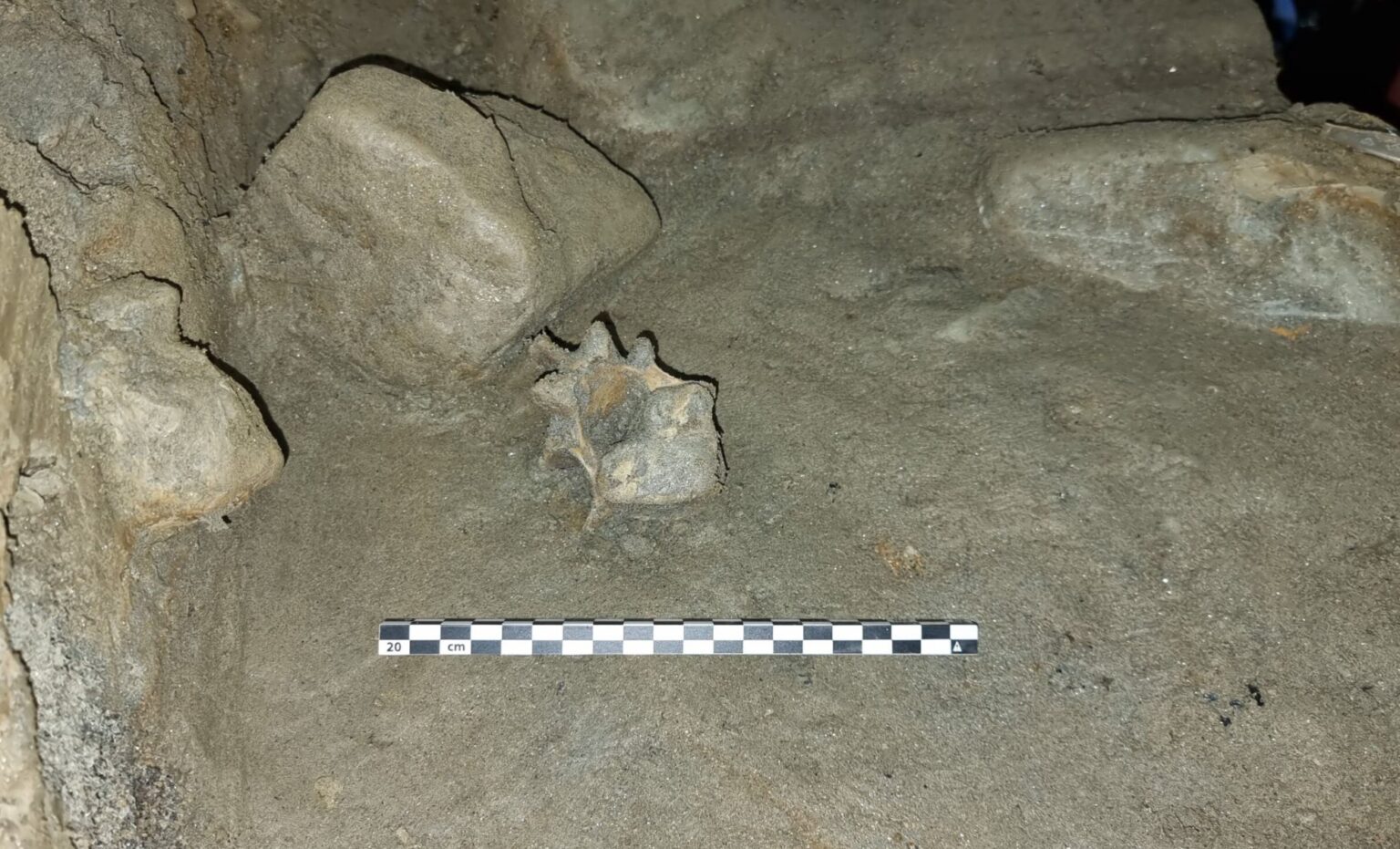
In an astonishing discovery, scientists have unveiled the remains of a diverse Arctic animal community that lived more than 75,000 years ago in Northern Norway. The findings, published in Proceedings of the National Academy of Sciences, shed light on a unique chapter in Earth’s climatic history, revealing the first known example of an animal community thriving in the European Arctic during a warmer period of the Ice Age. This remarkable discovery not only deepens our understanding of past Arctic ecosystems but also provides critical insights into how species respond to dramatic climate shifts. As climate change rapidly alters ecosystems today, these ancient remains offer valuable lessons for conservation efforts.
Unearthing the Past: An Ancient Arctic Animal Community
The excavation of the Arne Qvamgrotta cave on Norway’s northern coast has revealed a treasure trove of fossilized remains. Among the 46 different species identified were polar bears, walruses, bowhead whales, Atlantic puffins, and collared lemmings—a species now extinct in Europe. These remains represent a snapshot of a time when the Arctic was much warmer, before the return of harsh glacial conditions. The bones also provide a rare glimpse into a vanished ecosystem, with a mix of marine and terrestrial species living side by side.
Dr. Sam Walker, the study’s first author from Bournemouth University and the University of Oslo, emphasized the significance of this discovery, stating: “These discoveries provide a rare snapshot of a vanished Arctic world.” The bones suggest that the species thrived in a relatively ice-free coastal environment, where fresh water, sea ice, and seasonal icebergs offered suitable conditions for a variety of animals. This period of warmer temperatures allowed migratory species like reindeer to flourish in the region, along with freshwater fish and marine life.
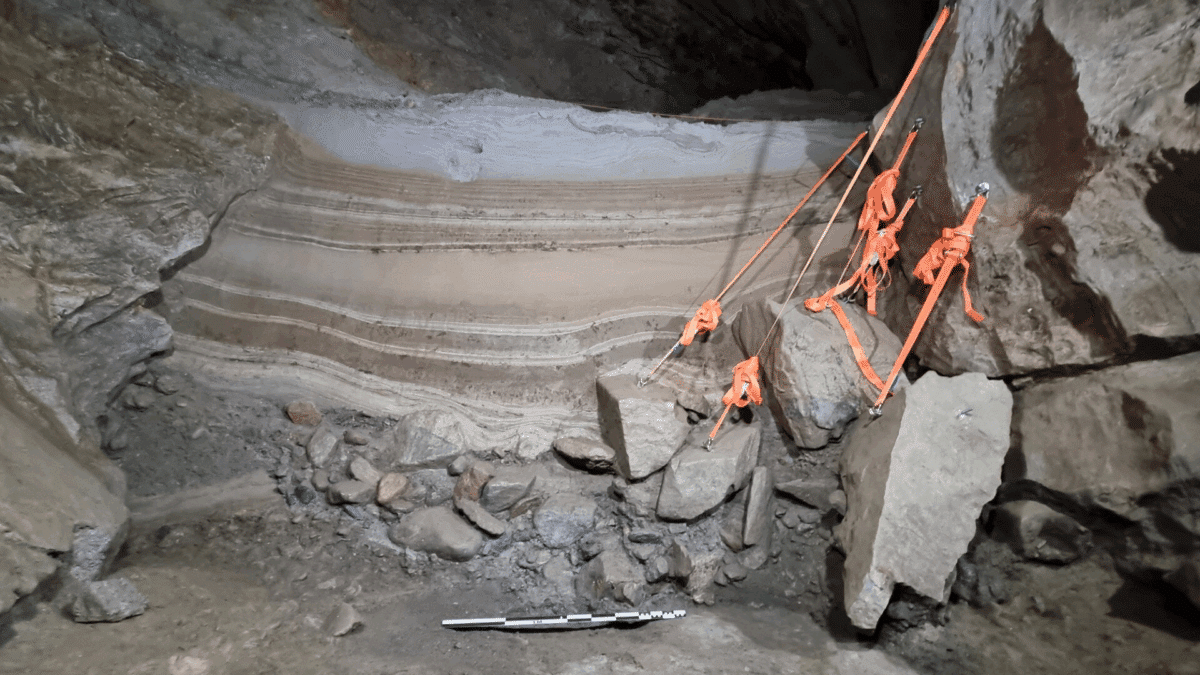 Credit: Trond Klungseth Lødøen
A Window Into Climate Shifts
For researchers, this find is groundbreaking, as it is the oldest known animal community from this warmer phase of the Ice Age in the European Arctic. Professor Sanne Boessenkool of the University of Oslo, a senior author on the study, explained that “We have very little evidence of what Arctic life was like in this period because of the lack of preserved remains over 10,000 years old.” The bones uncovered in the cave present a unique opportunity to study how animal life responded to periods of warming and cooling in Earth’s history.
The excavation also revealed that many of the species that lived in the area could not survive when the climate shifted back to colder conditions. Dr. Walker noted the vulnerability of cold-adapted species to climate change, saying, “They also underscore how vulnerable cold-adapted species can be under changing climate conditions, which can help us to understand their resilience and extinction risk in the present.”
The Changing Arctic: Implications for Modern Species
The findings are particularly relevant today, as climate change is transforming Arctic ecosystems at an unprecedented rate. The research team found that cold-adapted species of the past struggled to cope with the return of glacial ice. This mirrors the challenges that many modern Arctic species face as temperatures rise and ecosystems become more fragmented. Dr. Walker further explained, “This highlights how cold-adapted species struggle to adapt to major climatic events. This has a direct link to the challenges they are facing in the Arctic today as the climate warms at a rapid pace.”
The study also notes that the habitats of these animals were far more interconnected than the fragmented ecosystems that exist today. “The habitats these animals in the region live in today are much more fractured than 75,000 years ago, so it is even harder for animal populations to move and adapt,” said Dr. Walker, underscoring the increasing difficulty for modern animals to adapt to climate change. The ancient Arctic ecosystem was much more stable, allowing species to migrate and adapt when the climate shifted, but modern landscapes present new challenges that may hinder such adaptations.
A Call for Conservation Action
The study’s findings not only provide insight into how past climate shifts affected Arctic wildlife but also offer important lessons for conservationists working to protect cold-adapted species today. As climate change accelerates, understanding how species responded to past climate events is crucial for predicting their future survival. Professor Boessenkool warned: “It is also important to note that this was a shift to a colder, not a period of warming that we are facing today… if these species struggled to cope with colder periods in the past, it will be even harder for these species to adapt to a warming climate.”
By examining the bones of these long-extinct animals, scientists hope to better understand the resilience of species that live in the Arctic today. The findings also emphasize the need for urgent conservation measures to protect vulnerable species in a rapidly changing climate.