
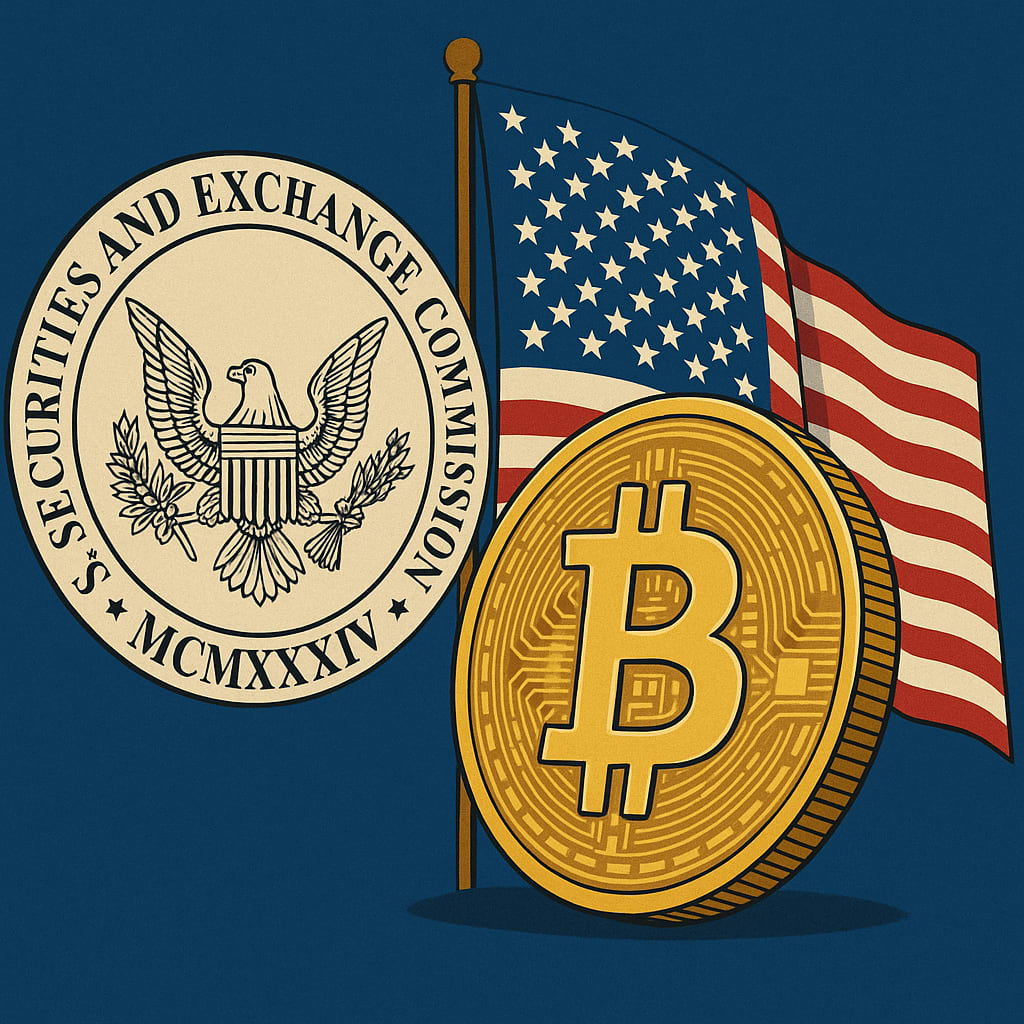
While Washington debates endless crypto regulations, Dubai just reportedly processed $30 billion in crypto transactions last quarter. Yes, $30 billion in one quarter! 🚀 Meanwhile, the U.S. is still stuck in discussion mode. Every day America hesitates, another crypto startup packs its bags for Dubai, London, or Singapore. It’s not just numbers; it’s our future at stake. The U.S. ranks only 8th in global crypto adoption (trailing countries 1/100th our size) – wait, what? That stat alone should make every lawmaker spit out their coffee.
We’re at a make-or-break moment here. The world isn’t waiting for America to catch up; other governments are already sprinting ahead. And it’s not just crypto – look at AI. In “Rise of AI Agents” and “The Agentic Revolution: How AI Tools Are Empowering Everyday People“, I showed how quickly new tech can empower millions. The U.S. embraced the AI boom; we should be doing the same for crypto instead of letting fear hold us back.
In “The Growth Trifecta: Governments’ Smartest Long-Term Bets“, I highlighted how forward-thinking nations invest early in game-changers. Well, crypto is the financial game-changer of our era, and the U.S. is over here twiddling its thumbs. As “When Public Spending Backfires: Governments’ Most Counterproductive Investments” warned, doing nothing (or doing the wrong thing) can be just as costly as pouring money down the drain. Real talk: if the U.S. keeps lagging on sensible crypto rules, we risk losing our edge in the very industry that could define the next 50 years.
The U.S. ranks only 8th in crypto adoption – trailing countries with a fraction of our GDP. If that doesn’t scream “losing the race,” what does?
Look, this isn’t just nerdy folks trading Bitcoin in their basements anymore. This is about every industry and every consumer. In “The Rise of Digital Solutions in Traditional Industries“, we saw how even stodgy old sectors are going digital fast. Finance is no different – from piggy banks to blockchains, money is going Web3 worldwide (“From Piggy Banks to Blockchains: How Web3 Is Transforming Traditional Finance“). America stands to lose trillions in economic growth if we let others write the rulebook for crypto. Think about it: the next JP Morgan or Visa could be a crypto company – and it might be based in Singapore or Dubai if the U.S. doesn’t get its act together.
THE STAKES: America at a Crypto Crossroads
So what exactly do we stand to lose? For starters, talent and innovation. I’m talking about the brightest minds and boldest entrepreneurs. Today, a 19-year-old whiz kid can build a global crypto app from his dorm (the kind of solo innovator I celebrated in “The Builder Economy: How Solo Founders Build Fast & Smart“). But if U.S. rules slam the door in his face, he’ll incorporate that startup in Lisbon or Hong Kong faster than you can say “Satoshi”. In “The Builder Economy Is Reshaping the Future of Business” (and “The Builder Economy Is Disrupting the Enterprise Status Quo“), those builders will just do it elsewhere if we make life hard for them here.
Even big U.S. companies are flirting with the exit. Take Ripple, for example – an American-born crypto innovator stuck in a long regulatory battle. As I noted in “Ripple Is Reshaping Payments for the Real World“, Ripple’s technology is changing cross-border payments, but 95% of its customers are outside the U.S. They didn’t wait around for Washington; they went where the rules are clearer. Or look at Coinbase, the largest U.S. crypto exchange: it’s securing licenses in places like London and even Bermuda because at home it’s just getting lawsuits instead of guidelines. These are companies that should be expanding here and boosting the American economy, but our policy paralysis is practically pushing them out the door.
BREAKING DOWN PROJECT CRYPTO: Explained Simply
Okay, so what exactly is “Project Crypto”? Basically, it’s Uncle Sam’s all-in-one game plan to regulate crypto without killing its vibe. If I had to explain it to a smart teenager, I’d say: Project Crypto is like creating traffic laws for the crypto highway. Right now, crypto is a chaotic freeway with Ferraris, bicycles, and trucks all going different speeds and directions. Some drivers (companies) don’t even know which side of the road to drive on because the signs are so confusing! Project Crypto would paint the lines, put up traffic lights, and set the speed limits so everyone – startups, investors, big banks – knows how to drive safely on Crypto Road.
In “Not Just Cars and Rockets: The Power of a Big Mission Statement“, I argued that having a bold mission unites people. Think of Project Crypto as America’s big mission to bring order to this new frontier. It’s not anti-crypto; it’s pro-innovation and pro-safety, like building codes for a brand-new city. And trust me, we can do this without turning into fun police. It’s about sensible rules, not squashing the creativity that makes Web3 awesome.
Here are a few key pillars of Project Crypto, broken down in plain English:
- Clear Definitions: First up, decide what everything is. Is a given token a security (like a stock)? A commodity (like gold)? Or something else entirely? Right now we’re using a 75-year-old legal test about orange groves to figure this out (crazy, I know). Project Crypto would give straightforward categories so a crypto project isn’t left guessing and playing legal whack-a-mole. (Bonus: this helps consumers know if they’re investing or just using a new kind of digital cash.)
- Investor Protections: Think seatbelts and airbags for investors. This means simple safeguards like projects being transparent about what they’re doing with your money, independent audits for major crypto companies, and perhaps insurance or reserve requirements for things like stablecoins. Basically, making sure that putting money into crypto isn’t a complete shot in the dark. No more waking up to find an exchange vanished with your funds. It’s not about hand-holding; it’s about basic trust – something even crypto newbies deserve.
- Stablecoin Rules: Speaking of trust, if you create a digital dollar (stablecoin), you better have a real dollar in the bank for each one. Project Crypto would likely treat big stablecoins a bit like banks or money market funds. That means strict audits, transparency about reserves, maybe even FDIC-style insurance over time. Considering giants like Amazon and Walmart have been eyeing their own stablecoins (see “Amazon & Walmart Are Creating Stablecoins: Why Is This a Big Deal?“), these rules ensure “CorporateCoins” and indie stablecoins alike are safe and sound. We don’t need another Terra fiasco where a “stable” coin implodes and wipes out billions.
- Exchange & Custody Licensing: Right now, anyone can start a crypto exchange or hold customer assets with almost no oversight (Wild West, much?). Under Project Crypto, if you run an exchange, brokerage, or custody service, you’d need a proper license – just like a stock exchange or bank does. That means meeting standards for cybersecurity, keeping customer funds segregated, having enough capital, etc. The goal is to prevent another FTX-style collapse. If a platform wants to trade or hold crypto for people, they have to prove they’re responsible actors. For us users, that means less anxiety that the place we’re trading on will evaporate overnight.
- Green Lights for Innovation: This part gets me excited – making space for innovators to innovate without getting immediately smacked down by regulations. Think “regulatory sandbox” or a grace period for new projects. Maybe a startup launching a new token gets a 2-year window to decentralize and comply gradually (an idea floated by forward-thinking regulators like Hester Peirce). The point is to not stifle the next Ethereum or the next big idea in its cradle. In “Stop Patching, Start Building: Tech’s Future Runs on LLMs“, I talked about not just patching old systems but building new ones. Project Crypto should build a fresh framework that encourages experimentation – with guidance – instead of forcing everything into old categories that don’t fit.
(Imagine a simple diagram here: a triangle or pyramid labeled “Project Crypto” with three layers – clarity at the base, safeguards in the middle, innovation at the top. Or picture a bridge spanning two cliffs: on one side the crypto world, on the other the traditional finance world, and Project Crypto is the sturdy bridge connecting them with well-marked lanes.)
In short, Project Crypto is about laying down rules of the road so crypto can go mainstream in a safe, sane way. No more guessing, no more “regulation by lawsuit” – just a clear path forward.
INSTITUTIONAL IMPACT: Wall Street Meets Web3
Now, let’s talk about how Project Crypto would affect the big dogs – your JPMorgans, Fidelitys, BlackRocks of the world. In “Digital Assets Are Humbling Wall Street’s Best“, I noted how even top traditional investors were caught off guard by crypto’s rise. With proper regulation, what was once a cautious toe-dip by institutions could turn into a cannonball plunge.
Here’s a quick before-and-after snapshot: Before Project Crypto:
Uncertainty kept a lot of institutions on the fence. JPMorgan’s CEO Jamie Dimon was infamous for calling Bitcoin a “fraud” (even as his own bank quietly explored blockchain tech). Fidelity offered Bitcoin in retirement accounts for adventurous clients, but many advisors were skittish without clear guidance. And BlackRock – the world’s largest asset manager – had no approved Bitcoin ETF, since the SEC hadn’t given the green light. In short, the big players were interested in crypto but held back by murky rules and fear of a regulatory smackdown.
After Project Crypto: open the floodgates. With clarity, these institutions can finally act on crypto openly. BlackRock’s long-awaited Bitcoin ETF would likely get approved – allowing everyday Americans to invest in Bitcoin through a plain-vanilla ETF in their 401(k). (Some analysts predict a spot Bitcoin ETF could bring $200+ billion into the crypto market in short order – talk about a catalyst!) JPMorgan, which has been experimenting with its own JPM Coin and blockchain network (Onyx) behind closed doors, could start using crypto openly for everything from collateral in loans to settlement of trades. In fact, as I highlighted in “JPMorgan’s Crypto-Collateral Bet: Leading TradFi’s Digital Asset Wave“, the bank has already tested using crypto as collateral – clear rules would make that an everyday thing, not just an experiment.
Fidelity, which manages a whopping $4.5 trillion, could roll out crypto options across all its portfolios, not just niche ones. Imagine being able to allocate a few percent of your 401(k) to a Bitcoin or Ethereum fund as easily as you do to an S&P 500 fund. That could be reality post-Project Crypto. And other firms – from Morgan Stanley to tech-forward fintechs like SoFi – will dive in too. (Speaking of SoFi, “SoFi’s Crypto Comeback: A Visionary Fintech Returns to Its Roots” shows how fintechs are itching to go full crypto once allowed.)
The “before vs after” is night and day. Before, crypto was the Wild West and big institutions mostly said, “you go first” to each other. After, it’s an onslaught of adoption: banks offering crypto custody and loans, asset managers trading tokenized assets, hedge funds freely hedging with crypto derivatives. Remember “Move Over, Wall Street: Injective Is Building the Future of Finance” – in that piece I talked about upstart platforms challenging traditional finance. With the right regulation, those upstarts can partner with Wall Street, and Wall Street can integrate what was once considered a threat. It basically takes crypto from niche to normal.
One more thing: this isn’t just speculation. We’ve already seen glimmers of this institutional pivot. Larry Fink (BlackRock’s CEO) went from skeptic to saying crypto could “revolutionize finance” and calling Bitcoin “digital gold”. Banks like BNY Mellon started custodying crypto for clients under existing rules. They’re ready – they just need that final regulatory green light. Project Crypto is that light. And the result? More money in the system, more legitimacy, and ironically, probably less volatility once Grandma’s pension fund and university endowments are in the mix.
In short, Wall Street and Main Street would both get more involved. Crypto stops being a four-letter word in boardrooms and becomes just another (exciting) asset class. The narrative flips from “risky and rogue” to “regulated and ready” – and that’s a huge win for long-term adoption.
THE HURDLES NOBODY’S TALKING ABOUT
Before we break out the champagne for Project Crypto, we’ve got to address some gnarly challenges under the hood. These are the issues that don’t always make headlines, but could make or break how effective the new regulations are. Let’s unpack the toughest hurdles that few are discussing openly:
- 🤔 What’s a Token, Really? (Definition Dilemma) – One major headache: legally defining crypto assets. Are they securities, commodities, currency, something new? Today we’re relying on the Howey Test – a standard from 1946 about selling orange grove shares – to determine if a token is a security. Yes, the law guiding cutting-edge crypto is based on a 75-year-old orange farm deal! This outdated approach creates confusion. Different regulators claim different coins under different rules (SEC vs CFTC turf wars, anyone?). A big part of Project Crypto must be updating definitions: make it clear what falls where. That way a developer isn’t left guessing if their token will be treated like Apple stock, Chuck E. Cheese tokens, or something in between. (Insider insight: Congress has started looking at this; in “US Government Gives Crypto a GENIUS Boost: Stablecoins Law Signals a Blockchain Future“, I noted a proposed law to clarify stablecoins. It’s a start, but broad clarity on all tokens is still pending.)
- 🏛️ Fed vs State (Regulatory Turf Wars) – In the U.S., states regulate finance too, and they don’t always play nice with Uncle Sam. Case in point: New York’s BitLicense, a crypto license so strict and slow that many companies simply avoid operating in NY. (In over 8 years, only ~30 firms have obtained one!) Meanwhile, states like Wyoming passed super-friendly crypto laws to attract businesses. This patchwork means what’s legal in one state might be a no-go in another. Project Crypto needs to harmonize federal and state rules, or at least set a baseline that states agree on. That’s easier said than done – financial regulation is historically a tug-of-war between DC and the states. But without alignment, we’ll have a Balkanized crypto market and endless arbitrage. One possibility: federal law that pre-empts state rules for major crypto activities, to create one national playing field. Expect some political wrestling here – nobody surrenders power easily.
- 🤖 DeFi & DAOs: Regulating Code and Communities – Perhaps the thorniest issue: how do you regulate decentralized finance? DeFi protocols (think Uniswap, Aave, etc.) have no central company – they’re just code on the blockchain, often governed by global communities (DAOs). There’s no CEO to haul into a hearing, no headquarters to send an inspection to. If a DeFi protocol violates some rule, who’s accountable? The coders? The users? Project Crypto will have to get creative. It might involve requiring certain access points (like websites or apps that interface with DeFi) to enforce rules like KYC. Or maybe encouraging self-regulation through code (imagine protocols that bake in compliance with certain regulations automatically). For example, “Build Your Own Bank: How Injective’s iBuild is Revolutionizing Money” highlights how literally anyone can now create bank-like services on a blockchain – a concept that blows regulators’ minds. In “What Is DeFi and Why It Matters for Everyday People“, I explained how DeFi opens finance to anyone, anywhere – which regulators actually like in terms of innovation, but hate in terms of control. Balancing this – allowing open, permissionless innovation while curbing the real bad stuff (scams, money laundering) – is a huge challenge. It’s the classic unstoppable force (decentralized code) meets immovable object (traditional law).
- 🌐 International Coordination (No Country is an Island) – Crypto is global by nature. A Bitcoin transaction doesn’t care if it’s in New York or New Delhi. That means if the U.S. sets strict rules but others don’t, activity might just flow offshore (we’ve seen this with some exchanges moving to the Bahamas, etc.). Conversely, if the U.S. is too lax compared to allies, we could become a haven for shady stuff and draw ire internationally. So Project Crypto isn’t happening in a vacuum – we need to sync up with other major economies. Europe’s already passed comprehensive rules (the EU’s MiCA law), and countries like Singapore and UAE are positioning themselves as crypto hubs with clear regulations. An under-discussed hurdle is getting global consistency. This could mean international agreements on basics (like how to classify a token or share data on illicit activities). The good news: global bodies like the Financial Stability Board are working on crypto guidelines. The bad news: getting dozens of countries to agree is like herding cats. Still, if the US wants to lead, it has to coordinate, not just dictate.
- 🔐 Privacy vs. Policing (The Encryption Conundrum) – Last but not least, the privacy issue. One of crypto’s promises is user privacy and control. Tools like zero-knowledge proofs (fancy cryptography) can verify things – a concept I explored in “ZK Proofs: The Privacy Power Move Transforming the Internet” – without revealing personal details. That could let us comply with laws (e.g., prove “Alice isn’t a terrorist”) and preserve privacy – a win-win. But most laws today assume a binary: either full anonymity (bad) or full disclosure (good). Regulators aren’t yet up to speed on how crypto tech can offer a third way. There’s a risk that in the name of compliance, rules might ban or limit privacy-enhancing tech – which would be a shame and could actually reduce security (because hackers and thieves love when your data is exposed). This hurdle is about educating lawmakers that privacy tools aren’t just for criminals – they’re for protecting honest people too. The industry will need to show that you can fight crime and still let folks keep some privacy (kind of like how HTTPS secures the web – we all use encryption daily for legit reasons). It’s a nuanced battle that will play out in the fine print of regulations.
These hurdles aren’t reason to abandon ship – they’re challenges to overcome. The good news is, none of them are impossible. With dialogue between techies and regulators, and perhaps a few trial-and-error iterations, Project Crypto can thread the needle. But we have to acknowledge these elephants in the room now to avoid nasty surprises later.
THE CONTRARIAN TAKE: Why Rules Might Rescue Crypto
Time to play devil’s advocate: Could smart regulations actually help crypto? It sounds counterintuitive, but hear me out. In “Crypto’s Great Government Booster: How New Laws Are Turbocharging Web3 Adoption“, I showed that thoughtful laws can act like fuel on the fire of innovation. The right rules can bring legitimacy, invite big-money investors, and protect consumers – all of which could make crypto grow faster.
Think about it: clear guidelines from Project Crypto would give institutional players (the Fidelities and BlackRocks) the confidence to dive in head-first. That means more money and more users flooding into the space. (Remember “Bitcoin ETF Boom Ignites All-Time High: Why This Moment Matters for Everyone“? A regulated ETF could open the floodgates.) Far from killing crypto, regulation might be the plot twist that makes it mainstream.
Unexpected winners and losers: Ironically, the big banks and tech giants might win big, because they can afford to comply. I wouldn’t be shocked if Amazon and Walmart launch successful stablecoins once rules are set – an irony I hinted at in “Amazon & Walmart Are Creating Stablecoins: Why Is This a Big Deal?“. The losers? Possibly some offshore or sketchy players who thrived in the Wild West era; they’ll either clean up their act or get left behind. And here’s a “wait, what?” prediction: The first year of real U.S. crypto regulation could trigger the largest crypto bull run ever, as everyday folks finally feel it’s safe to jump in.
Bottom line: rules done right won’t strangle crypto – they’ll strengthen it. It’s like how having building codes doesn’t stop construction, it ensures we build skyscrapers that don’t fall down. A little structure can go a long way. After all, even some crypto OGs are coming around to this idea. (If you don’t believe me, check out “US Government Gives Crypto a GENIUS Boost: Stablecoins Law Signals a Blockchain Future” – yes, sometimes Uncle Sam can give us a push forward.)
Wrapping It Up
Here’s the bottom line: the U.S. can either lead in the crypto era or get left behind. And it’s not just on policymakers – it’s on all of us who care about innovation. We need to stay informed, speak up, and push for smart changes. If you’re an enthusiast, talk to your friends (or even your representatives) about why crypto needs clarity, not chaos. If you’re a builder or investor, keep building and investing – show that this technology isn’t going anywhere.
As I said in “The Real Secret to Life? Set Goals and Crush Them“, achieving big things starts with setting bold goals. America needs a bold goal right now: to be the global hub of digital assets, where innovation and consumer protection go hand in hand. We can do it – but only if we all demand that future.
So ask yourself: Will the United States seize this moment and write the rules of the new financial system, or will we watch from the sidelines as others take the lead? The stakes couldn’t be higher, and the decision is happening in real time. If this got you fired up, don’t let the momentum drop. Keep learning, keep pushing. In fact, why not start with another deep dive? Check out “What Is DeFi and Why It Matters for Everyday People” – you’ll see how this crypto revolution can touch your life in ways you might not expect.
The future of finance is unfolding before our eyes. Let’s make sure the U.S. isn’t just watching – but driving the change.
References
Bandyopadhyay, Abir. The Growth Trifecta: Governments’ Smartest Long-Term Bets. Vocal Media. https://vocal.media/journal/the-growth-trifecta-governments-smartest-long-term-bets
Bandyopadhyay, Abir. When Public Spending Backfires: Governments’ Most Counterproductive Investments. Vocal Media. https://vocal.media/journal/when-public-spending-backfires-governments-most-counterproductive-investments
Bandyopadhyay, Abir. Ripple Is Reshaping Payments for the Real World. Vocal Media. https://vocal.media/trader/ripple-is-reshaping-payments-for-the-real-world
Bandyopadhyay, Abir. The Real Secret to Life? Set Goals and Crush Them. Vocal Media. https://vocal.media/journal/the-real-secret-to-life-set-goals-and-crush-them
Bandyopadhyay, Abir. The Rise of Digital Solutions in Traditional Industries. Vocal Media. https://vocal.media/journal/the-rise-of-digital-solutions-in-traditional-industries
Bandyopadhyay, Abir. Stop Patching, Start Building: Tech’s Future Runs on LLMs. Vocal Media. https://vocal.media/futurism/stop-patching-start-building-tech-s-future-runs-on-ll-ms
Bandyopadhyay, Abir. Rise of AI Agents. Vocal Media. https://vocal.media/futurism/rise-of-ai-agents
Bandyopadhyay, Abir. Not Just Cars and Rockets: The Power of a Big Mission Statement. Vocal Media. https://vocal.media/journal/not-just-cars-and-rockets-the-power-of-a-big-mission-statement
Bandyopadhyay, Abir. Move Over, Wall Street: Injective Is Building the Future of Finance. Vocal Media. https://vocal.media/trader/move-over-wall-street-injective-is-building-the-future-of-finance
Bandyopadhyay, Abir. What Is DeFi and Why It Matters for Everyday People. Vocal Media. https://vocal.media/trader/what-is-defi-and-why-it-matters-for-everyday-people
Bandyopadhyay, Abir. From Piggy Banks to Blockchains: How Web3 Is Transforming Traditional Finance. Vocal Media. https://vocal.media/trader/from-piggy-banks-to-blockchains-how-web3-is-transforming-traditional-finance
Bandyopadhyay, Abir. The Agentic Revolution: How AI Tools Are Empowering Everyday People. Vocal Media. https://vocal.media/futurism/the-agentic-revolution-how-ai-tools-are-empowering-everyday-people
Bandyopadhyay, Abir. Digital Assets Are Humbling Wall Street’s Best. Vocal Media. https://vocal.media/trader/digital-assets-are-humbling-wall-street-s-best
Bandyopadhyay, Abir. Crypto’s Great Government Booster: How New Laws Are Turbocharging Web3 Adoption. Vocal Media. https://vocal.media/trader/crypto-s-great-government-booster-how-new-laws-are-turbocharging-web3-adoption
Bandyopadhyay, Abir. The Builder Economy Is Reshaping the Future of Business. Vocal Media. https://vocal.media/journal/the-builder-economy-is-reshaping-the-future-of-business
Bandyopadhyay, Abir. The Builder Economy: How Solo Founders Build Fast & Smart. Vocal Media. https://vocal.media/journal/the-builder-economy-how-solo-founders-build-fast-and-smart
Bandyopadhyay, Abir. Build Your Own Bank: How Injective’s iBuild is Revolutionizing Money. Vocal Media. https://vocal.media/trader/build-your-own-bank-how-injective-s-ibuild-is-revolutionizing-money
Bandyopadhyay, Abir. Amazon & Walmart Are Creating Stablecoins: Why Is This a Big Deal? Vocal Media. https://vocal.media/trader/amazon-and-walmart-are-creating-stablecoins-why-is-this-a-big-deal
Bandyopadhyay, Abir. ZK Proofs: The Privacy Power Move Transforming the Internet. Vocal Media. https://vocal.media/futurism/zk-proofs-the-privacy-power-move-transforming-the-internet
Bandyopadhyay, Abir. SoFi’s Crypto Comeback: A Visionary Fintech Returns to Its Roots. Vocal Media. https://vocal.media/trader/so-fi-s-crypto-comeback-a-visionary-fintech-returns-to-its-roots
Bandyopadhyay, Abir. The Builder Economy Is Disrupting the Enterprise Status Quo. Vocal Media. https://vocal.media/journal/the-builder-economy-is-disrupting-the-enterprise-status-quo
Bandyopadhyay, Abir. Bitcoin ETF Boom Ignites All-Time High: Why This Moment Matters for Everyone. Vocal Media. https://vocal.media/theChain/bitcoin-etf-boom-ignites-all-time-high-why-this-moment-matters-for-everyone
Bandyopadhyay, Abir. US Government Gives Crypto a GENIUS Boost: Stablecoins Law Signals a Blockchain Future. Vocal Media. https://vocal.media/trader/us-government-gives-crypto-a-genius-boost-stablecoins-law-signals-a-blockchain-future
Bandyopadhyay, Abir. JPMorgan’s Crypto-Collateral Bet: Leading TradFi’s Digital Asset Wave. Vocal Media. https://vocal.media/trader/jpmorgan-s-crypto-collateral-bet-leading-tradfi-s-digital-asset-wave
McKinsey & Company. The State of AI in 2023: Generative AI’s Breakout Year.
Forbes. Web3 Adoption Trends: The Shift from Speculation to Infrastructure.
Deloitte Insights. Global Blockchain Survey: Realizing the Potential of Digital Assets.
Harvard Business Review. How Stablecoins Could Transform Global Payments.
Boston Consulting Group (BCG). Digital Transformation in Financial Services.
FAQ
What exactly is SEC’s Project Crypto?
Project Crypto is the SEC’s comprehensive effort to provide clear, consistent rules and guidelines for cryptocurrency and digital asset regulation in the United States, including clear token definitions, stablecoin standards, investor protection, and clearer compliance frameworks for exchanges and custodians.
Why is the U.S. lagging behind other countries in crypto regulation?
The U.S. regulatory environment for crypto is currently fragmented and uncertain, creating confusion and hesitation among companies and investors. Countries like the UAE, Singapore, and the UK have clearer, faster regulations, drawing talent and capital away from the U.S.
How will clear crypto regulations impact institutional adoption?
With clear regulations, institutional investors like JPMorgan, Fidelity, and BlackRock would likely significantly increase their crypto involvement, potentially injecting hundreds of billions into the crypto market, stabilizing volatility, and greatly expanding mainstream adoption.
What are the main hurdles to effective crypto regulation in the U.S.?
Major hurdles include the unclear legal definitions of tokens, state-versus-federal regulatory conflicts, regulating decentralized finance (DeFi), coordinating international regulatory approaches, and balancing privacy with compliance requirements.
Could regulations actually be beneficial for crypto?
Yes. Clear regulations can legitimize crypto in mainstream finance, attract institutional investment, protect consumers, and reduce fraud, making the market more robust and potentially triggering significant market growth.
What can individuals do to support sensible crypto regulation?
Stay informed, engage with local policymakers, support advocacy groups promoting sensible crypto policies, and spread awareness within your communities to encourage proactive regulatory frameworks.
Where can readers learn more about decentralized finance (DeFi)?
For an easy-to-understand deep dive, check out my article: “What Is DeFi and Why It Matters for Everyday People” on Vocal Media.