
Published on
August 14, 2025

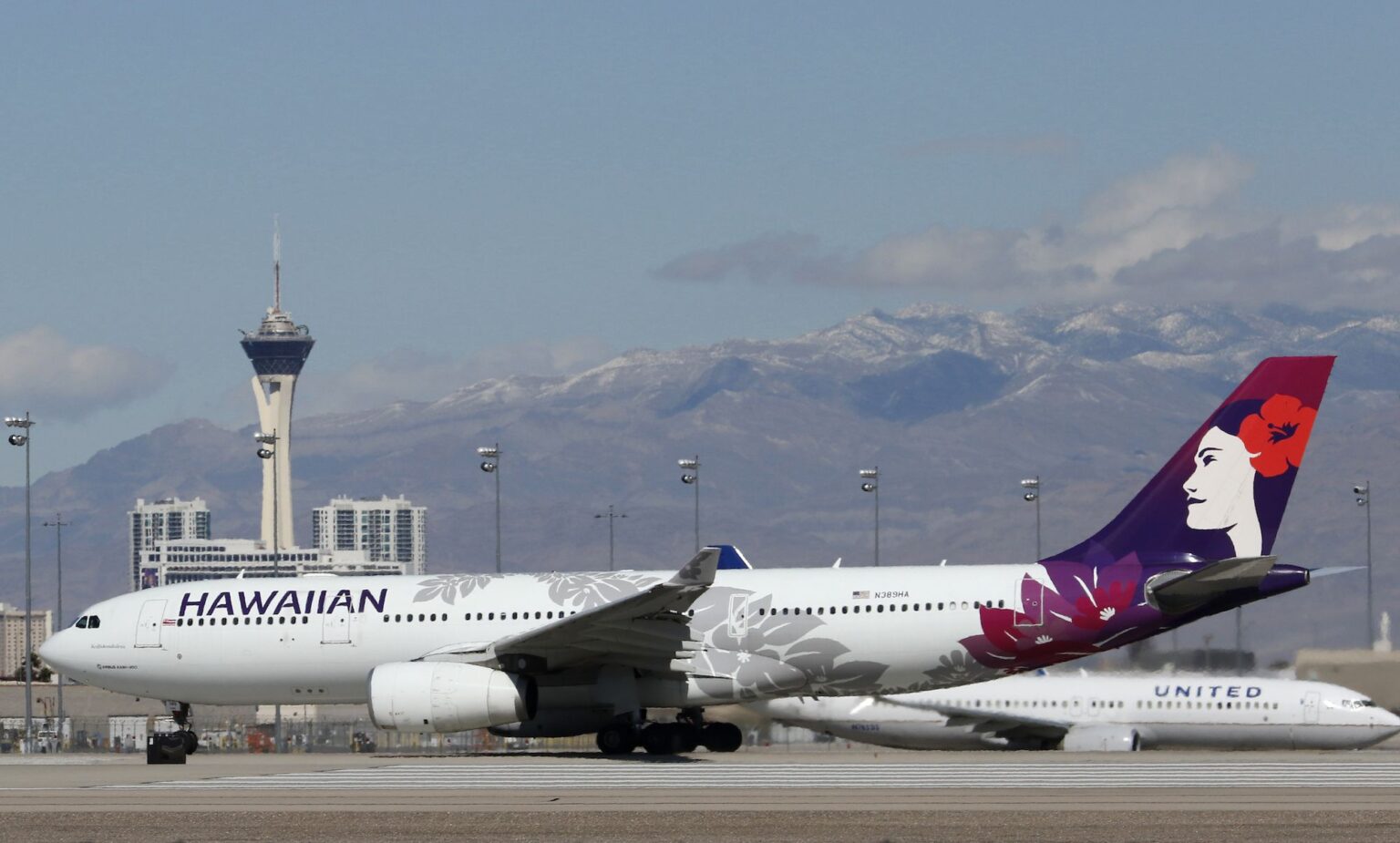
Hawaiian Airlines will suspend its routes to South Korea, Japan and Boston this year as part of a restructuring that shifts the carrier away from longer-haul routes with less revenue potential in favor of beefing up more profitable markets where demand is high. Here is a release from the airline, explaining their decision in more detail:“Frontier’s recent merger with Alaska Airlines has enabled the airline to improve its network profitability and today they announced that it will be suspending 11 non-essential routes. The airline plans to redeploy those resources to destinations with more potential for growth, a decision underscored by performance in the discontinued flights and ongoing unification process of Alaska Airlines.
Hawaiian Airlines plans to reduce capacity on three less-performing routes as part of a broader network restructuring that will take effect in November 2025, marking a notable change in its network strategy. This follows the $1.9 billion purchase of the airline by Alaska Airlines Group which represents the first major network adjustment since that merger closed.
These three routes — Honolulu-Incheon (South Korea, via Kansai), Fukuoka, Japan and Boston, Mass. have all been underperforming for some time and Hawaiian Airlines will divert assets to more profitable markets across its network. The move is aimed at aligning the airline’s network across the Pacific and beyond to support its overall strategy on optimizing operations and enhancing service in high demand growth markets.
Suspension of Routes and the Underlying Reasons
Hawaiian Airlines’ choice to halt services on these routes highlights the persistent difficulties the airline is encountering in specific markets. Specifically, the airline noted “soft post-pandemic travel demand from Asia combined with various market challenges” as contributing factors to the underperformance of these routes. Despite years of operation and efforts to boost demand, these international destinations were not able to meet expectations, even with the integration of Alaska Airlines into the fold.
The Honolulu-Incheon route, which has been part of Hawaiian’s network for over 14 years, has seen declining demand, while the Fukuoka and Boston routes, which were launched in 2019, also failed to gain significant traction. According to Alex Da Silva, Hawaiian Airlines’ regional communications director, these routes have underperformed consistently, with issues persisting beyond the typical annual fluctuations.
Focus on Stronger Markets
While the decision to suspend these routes may seem like a setback, it is part of a broader strategy to reposition Hawaiian Airlines for future growth in high-demand markets. The airline intends to reallocate the aircraft currently serving these routes to destinations with greater potential for revenue generation. As Da Silva put it, “No seats are leaving Hawaii—we’re putting them to better use.”
Hawaiian will bolster its services to Sydney, Australia, by increasing its flights to a daily frequency from the previous five weekly flights. This will cater to the strong demand for travel between Hawaii and Australia, particularly in the peak season. In addition, Hawaiian will introduce two weekly flights between Honolulu and Papeete, French Polynesia, starting in March 2026.
In terms of domestic flights, Hawaiian will expand its service to the mainland by adding five daily flights to Los Angeles and four daily flights to Seattle during the peak season. These increased frequencies are part of Hawaiian’s efforts to enhance its presence in essential U.S. markets, which continue to show robust travel demand.
Merger Integration: A New Era for Hawaiian Airlines
The timing of this network restructuring coincides with the ongoing integration process between Hawaiian Airlines and Alaska Airlines. However, Da Silva made it clear that the route suspensions are not directly linked to the merger. Hawaiian Airlines continues to operate independently but is now part of the Alaska Airlines Group, which expects the merger to generate $500 million in revenue growth and cost savings by 2027.
In September 2024, Alaska Airlines completed the purchase of Hawaiian Airlines for $1.9 billion in cash, while also taking responsibility for $900 million in outstanding debt. This deal has allowed Alaska Airlines to expand its international reach and add widebody aircraft to complement its predominantly domestic narrowbody operations.
The merger is poised to benefit both carriers, allowing them to offer an expanded network of destinations across North America, Central America, Asia, and the Pacific. Hawaiian’s access to Alaska’s extensive domestic network is expected to help the airline attract more passengers from key U.S. markets, contributing to its overall growth.
Continued Commitment to Asia and Connecting Passengers
Despite suspending service to Incheon, Hawaiian Airlines remains committed to serving the Asian market through other routes and partnerships. The airline will continue to offer direct flights to Japan, a critical market for Hawaiian’s tourism-driven business, and will maintain connections to Incheon and other Asian cities through its partnerships with global carriers.
Starting in September 2025, Hawaiian Airlines will begin operating five-times-weekly flights between Seattle and Incheon, providing an alternative connection for travelers seeking to fly between the U.S. West Coast and South Korea. Passengers flying between Honolulu and Boston will also have alternative options, with daily connecting flights operated by Alaska Airlines via major U.S. cities such as Seattle, Portland, San Francisco, and San Diego.
These adjustments are in line with Hawaiian’s efforts to maintain strong connections between Hawaii and Asia while optimizing its route network for profitability. By leveraging its partnership with Alaska Airlines, Hawaiian will ensure that passengers can continue to access key markets, albeit through alternative connections.
Hawaiian Airlines’ Strategic Network Vision
Hawaiian Airlines’ network moves reflect its intent to sustain its bread-and-butter — Hawaii’s vital tourism industry. CAPACITY- FLEXIBILITY. SW has more flexibility to reshuffle capacity to those high(er) demand destinations and its further deepening partnership with Alaska Airlines will make it even more market adaptable.
Hawaiian Airlines will drop its routes to South Korea, Japan and Boston this year in favour of higher demand markets. The airline is reallocating assets to routes where the “opportunity cost” for use on other, more-profitable destinations was high, addressing underperformance in certain suspended routes and making use of the strategic benefits of its merger with Alaska Airlines.
Going forward, it is important to verify that Hawaiian Airlines will continue to have a big presence in both the U.S. mai49jnland as well as also the Pacific area, and provide clients with access America-domestic hubs yet to key parts of all Asia. The changes it has embarked on are all strategic moves, grounded in what Hawaiian Airlines needs to do to remain competitive and ensure its profitability in a constantly evolving global aviation world.
