
Published on
August 14, 2025

Poland’s Baltic shoreline is winning over Czech travelers, who are starting to leave behind the Croatian coast that once earned the nickname “Czech Riviera.” Several reasons are behind the move: many are looking for quieter, less crowded places, while Poland’s smoother economy and temperate weather are also coming into view. Czech vacationers, long accustomed to the sunshine of the Mediterranean, are now warming to the sea breeze and characterful harbors of towns like Gdynia, Sopot, and Gdańsk.
Numbers tell the story: year-on-year, more Czechs are choosing Poland’s northern coast, and the country is fast climbing the list of favorite summer stops. In response, the state railway has rolled out the Baltic Express, a new line linking Prague directly to Baltic hotspots. The train, with departures every few hours during the season, is quickly filling every carriage. The appeal of this route reflects a wider European move toward gentler, cooler, and more understated getaways.
The Czech Riviera Shift: From Croatia to Poland
For generations, Chesh tourists used the term “Czech Riviera” to mean Croatia—those sun-soaked, island-speckled shores of the Adriatic where they flocked each July. The familiar promise of beachside karst cliffs, summertime olive scent, and centuries-old tavern menus kept them returning, drawn like summer moths. But lately, the warming Mediterranean and increased queues at every marina have nudged some to explore the other direction and head north across the two hundred kilometre-long Polish Baltic coast.
Ludmila, a fifty-year-old travel agent pop Fixing an Eastern-Central refusal to overheated Adriatic air monotonous as three-day-old beach news, told me she no longer keeps Croatia brochures. “Winters have-hard and summer pulse-So mute-now louder,” she clarified. Poland’s coast sounded like a letter home: generouse silver-light, cool north winds, no-long day, and dunes shaped like small syllables of calm. In the absence of kerosene-hot noon, they finally crave where swimsuits stay damp, not burnt paper.
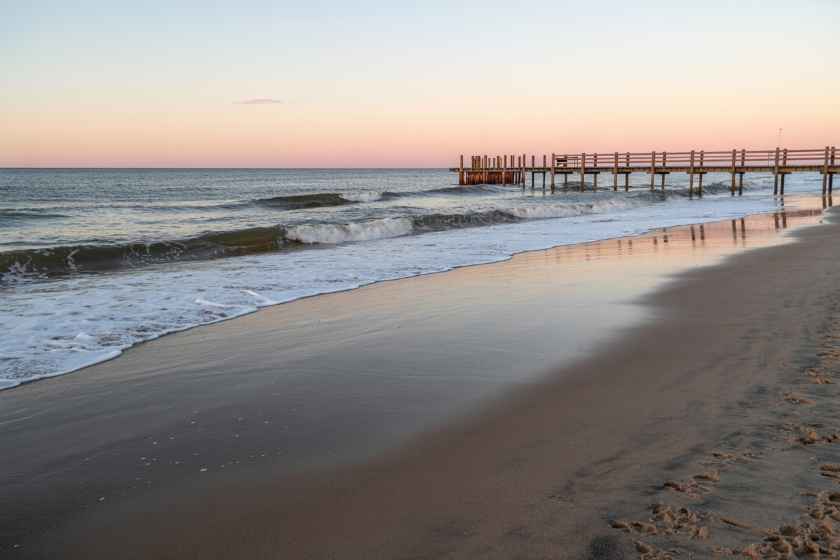
The Polish Baltic gives large sigh of natural: a string of amber-coloured dunes, maternity dunes, then slight crooked forested arms, yesterday’s Pomeranian weather-model heard the gentle “no fun sponge here” and shrank storms. Gdynia full-lit marina, crystal Lotos pipelines, and elegant dock-side brasserie keeps the show on-rails. Sopot flirts the grand wooden pier, sells S-train ice-cream underrated since the Prussia of missing-year. Gdansk, below the dragon’s throat-shaped shipyard cranes, is history karaoke: ship-torch halls fused shiny post-title bars where Czech lager-feak hops greet amber-dark. Each visit, arrival re-rates itself the last day.
Direct Rail Link Boosts Polish Tourism
JZC, the Czech national railway, has swiftly tuned its services to the latest vacation pulse by launching the Baltic Express, a non-stop train between Prague and the Baltic resorts of Poland. The new link takes the place of the old overnight service that ran to Split, trimming travel time and opening the Polish coast to Czech sun-seekers. The Express runs hourly throughout the daytime, landing passengers in brisk succession at harbour cities like Gdynia, the art-nouveau promenade at Sopot, and the historic warehouses of Gdansk.
The Baltic Express sprang from swelling demand: last summer, trains to the amber shore were routinely full to the doors. The new timetable grafts rides onto the existing network, and the predictable low fares erase budget concern, nudging Poland firmly to the head of the Czech holiday shortlist.
Czechs have travelled by train for decades, lured by low emissions and the lack of border queues. The Baltic Express tightens the bond: a clean-sleeve, punctual Alpine train slides librarians and surf-boosters alike from Wenceslas Square to the Baltic shore in less than ten hours. Passengers loose themselves in the calm procession of meadows and woodcutter villages that dots the Czech and Polish landscape, arriving at the coast sun-kissed and already slowing down.
Tourism and Economic Growth in Poland
Poland’s rising status on the European travel circuit is mirrored in its accelerating economic indicators and the expansion of its transport and hospitality networks. More and more, visitors from Western and Central Europe seek the country’s striking blend of wilderness, centuries-old traditions, and contemporary comforts. Stretching along the northern Baltic seaboard, Poland now offers clusters of historic towns, elegant coastal resorts, and a gentler climate, making it a sparkling alternative to the established summer routes of the southern Mediterranean.
Alongside the sandy sweep of the coastline, the Baltic port cities combine lively cultural calendars, meticulously preserved architecture, and lively dining scenes. Gdańsk, with its golden-hued Hanseatic façades and resonant shipyard history, attracts history buffs, while the breezy promenade of Sopot draws sunseakers and nightlife lovers alike. Clustered nearby are acclaimed seafood taverns, summer music festivals, and quirky farmers’ markets, all of which create a multifaceted itinerary that enchants repeat visitors.
An especially visible contributor to the growing Baltic economy is the surge in visitors from the Czech Republic. Groups of families, couples, and weekend hikers have become a regular presence along the shore. In response, entrepreneurs have expanded hotels, opened new beachfront bistros, stocked shops with Czech-language materials, and designed localized guided tours. Authorities, in turn, have funded modern transport links and upgraded coastal walks, ensuring the region not only welcomes this wave of exploration but converts it into lasting prosperity.
As visitor numbers to Poland’s Baltic coastline continue to grow, so does the commitment to responsible travel. The introduction of the Baltic Express has made train journeys more appealing, replacing many flights. Trains use less fuel per passenger, so they help shrink the carbon footprint that tourism often leaves behind. These greener journeys align with Poland’s wider push towards eco-friendly tourism, which includes new green hotels, menus that highlight locally sourced ingredients, and dedicated projects to safeguard dunes, wetlands, and forests.
Alongside investments, Poland’s tourism boards ask everyone who travels here to respect the land. Simple acts—like sticking to marked paths, avoiding single-use plastics, and trying traditional art and cuisine—help protect the region’s sandy beaches and wildlife. This collaborative spirit isn’t just a local policy; it echoes a growing global desire for travel that feels good for both the visitor and the destination, allowing tomorrow’s explorers to share the same awe that today’s do.
Conclusion
Poland’s Baltic coast is winning over Czech holidaymakers with its crisp sea breeze, rolling dunes, and vibrant history. The new Baltic Express service slices travel time and elevates the journey, letting Czech travellers hop off the train and into the charm of the coast in record time. The ripple effect is clear: restaurants, galleries, and B&Bs are buzzing, and the boost to the national balance sheet is hard to miss. With medieval ports, clean coastlines, and the allure of low-carbon travel, Poland is quietly reshaping the summer map of Europe and offering a cool, easy-on-the-conscience rival to the crowded southern shorelines.
