
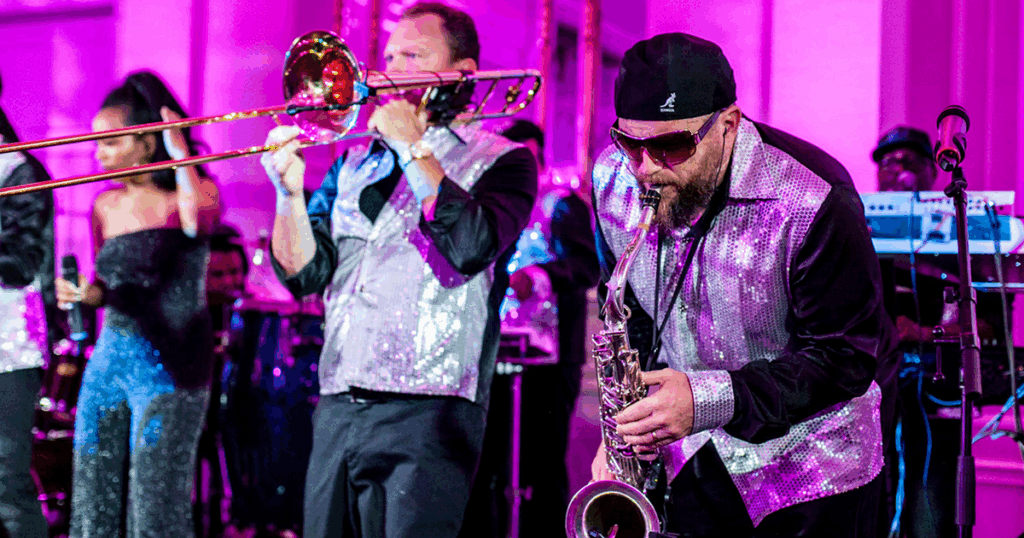
Planning entertainment for a corporate event might seem like the fun part of the job. After all, who doesn’t love browsing bands or imagining an iconic speaker to headline your big night? But as booking agents with a nearly 50-year track record working with companies across the country, we can tell you: entertainment is where many well-intentioned events go sideways.
In 2025, the stakes for corporate events are higher than ever. Companies are looking to energize their teams, impress clients, and drive business goals–all while navigating budgets, shifting social climates, and audiences with wildly different tastes. Here are some of the most common challenges we see corporate planners and CEOs face, and how to sidestep them.
1. Underestimating the total cost of entertainment
This is a big one. Many clients budget for the talent fee but forget about production costs, which can match or exceed the artist’s booking fee. Think sound, lighting, stage, backline, travel, hotel, catering, and more.
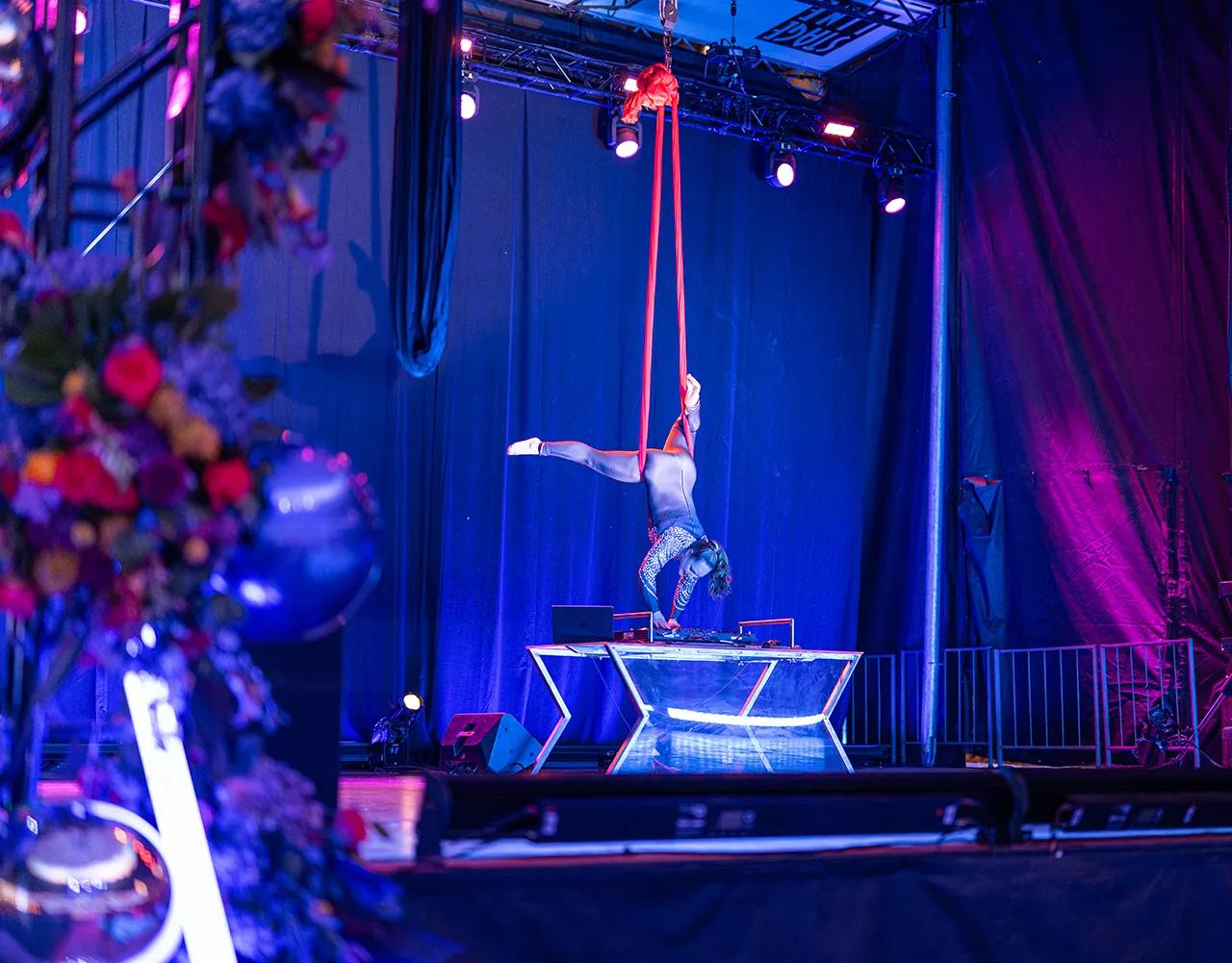
Pro tip: Don’t rely on a Google search for ballpark numbers. Partner with an experienced entertainment consultant early in the planning process to get a realistic breakdown of total costs. A consultant can help you find talent within budget while considering the full scope of what’s needed to produce a seamless, unforgettable event.
2. Booking for yourself instead of the audience
It’s a common misstep: choosing entertainment based on personal taste rather than the preferences of your attendees. A classic rock band might strike a chord with the executive team, but if your guests are in their 30s, the energy could fall flat fast.
Pro tip: Start by asking the right questions: What does your audience listen to? What kind of performance will get them engaged – not just impress? A trusted booking partner can help bridge the gap between what you like and what your audience will love.
The bottom line: Entertainment should speak to your guests, not just your leadership. Prioritize connection over nostalgia.
3. Waiting too long to book
Last-minute booking is increasingly common, often due to economic uncertainties or concerns about optics. But tight timelines can limit your options.
.png "_838035_Taylor_Tyler_SI_Band_@kdimeg_photo_11112023_(22).png")
Pro tip: Even if your event isn’t confirmed, start the entertainment conversation early. Having a plan in place can reduce stress and broaden your options.
4. Thinking too big (or too small)
Not every event needs a celebrity headliner, and not every tribute band can carry a high-stakes investor dinner. The key is matching your goals to the format. One trend we’re seeing. Hybrid entertainment.
Example: Pairing a corporate dance band with guest vocalists who sing recognizable hits. It creates that star-powered “wow” moment, without the cost of flying in a full band and entourage.
5. Overlooking the power of experience
In today’s remote and hybrid work culture, guests are less interested in passive entertainment and more interested in shared experiences. Interactive elements–like essential oil blending bars, boutique maker stations, a professional pick-pocketer, or live fashion sketch artists–don’t require big production budgets, but they leave a lasting impression. But the best entertainment isn’t always the flashiest; it’s what brings people together. A great setlist. A meaningful theme. A shared laugh.
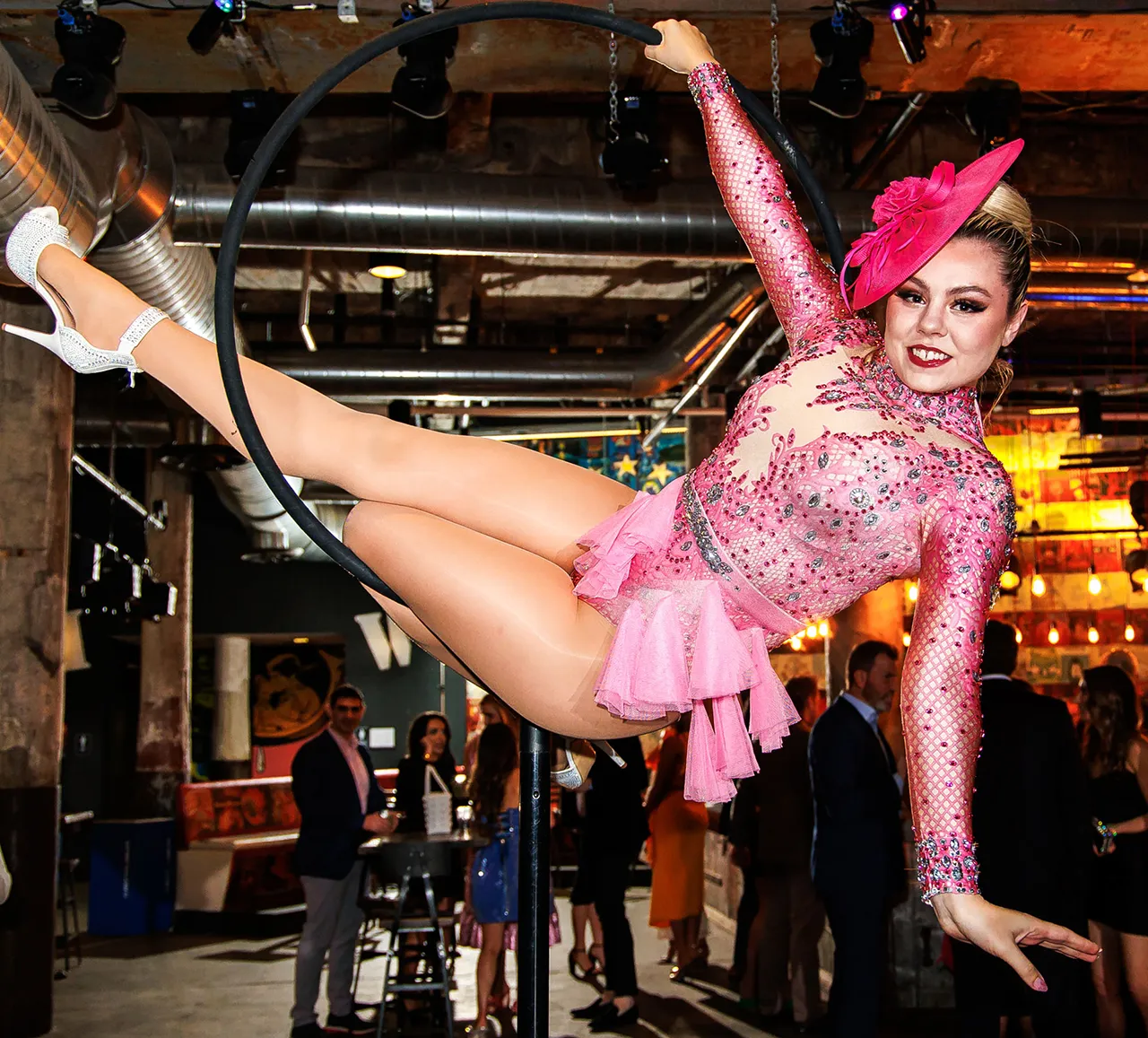
Pro tip: Guests want to do, not just observe. Whether it’s a themed activation, a karaoke moment, or a hands-on art station, co-creating the fun builds connection and memory. One of our favorite recent events took a “Route 66” theme and used music, decor, and talent to take guests on an experiential journey.
6. Underestimating employee engagement
Entertainment can be more than a treat; it can be a strategic tool for engagement and morale. A well-chosen act gives employees permission to relax and connect. One story we heard: a CEO donned a leopard jacket and sparkly helmet to perform live band karaoke. It completely shifted the tone of the night and brought the team together. These shared moments build culture far more effectively than a slide deck ever could.
Pro tip: Live entertainment gives people permission to relax, connect, and be present. In an era where teams are often scattered or virtual, these shared moments matter more than ever.
7. Playing it too safe
Yes, compliance matters. But that doesn’t mean your entertainment has to be boring. We help clients navigate options that are bold, fun, and still appropriate. Clean comedians, immersive performers, and uniquely themed acts can all deliver the wow factor without crossing the line
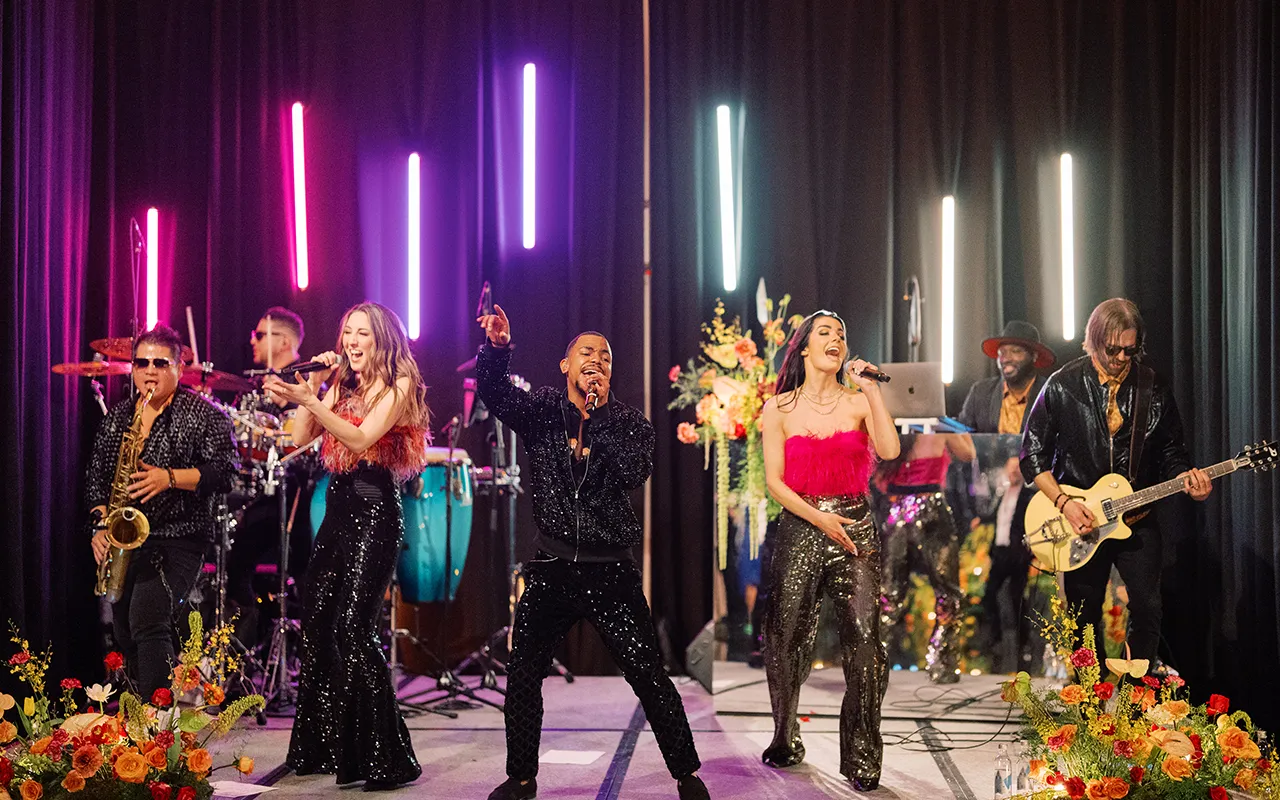
Pro tip: The best events leave people saying, “How are they going to top that next year?” And that has less to do with budget and more to do with creativity, fit, and thoughtful execution.
Entertainment might be the final act of your agenda, but it’s often the first thing people remember. Make it count.