
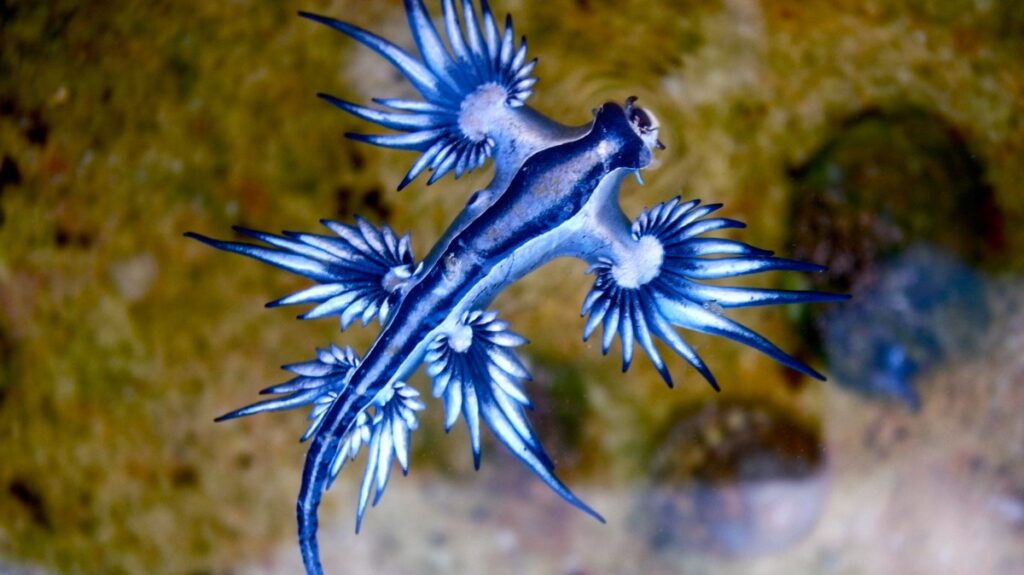
Red flags were raised on Wednesday on the beaches of Guardamar del Segura in the Alicante province of Spain after two specimens of a toxic tropical sea slug were found in Mediterranean waters.
The blue dragon, or Glaucus atlanticus, is about four centimetres in length, has six appendages and is a bright blue colour. It is known for its very painful sting, which can cause health complications in humans.
Given the dangers posed by the creature to bathers during the busy summer season, the local council opted to stop anyone from entering the water while the authorities searched for more.
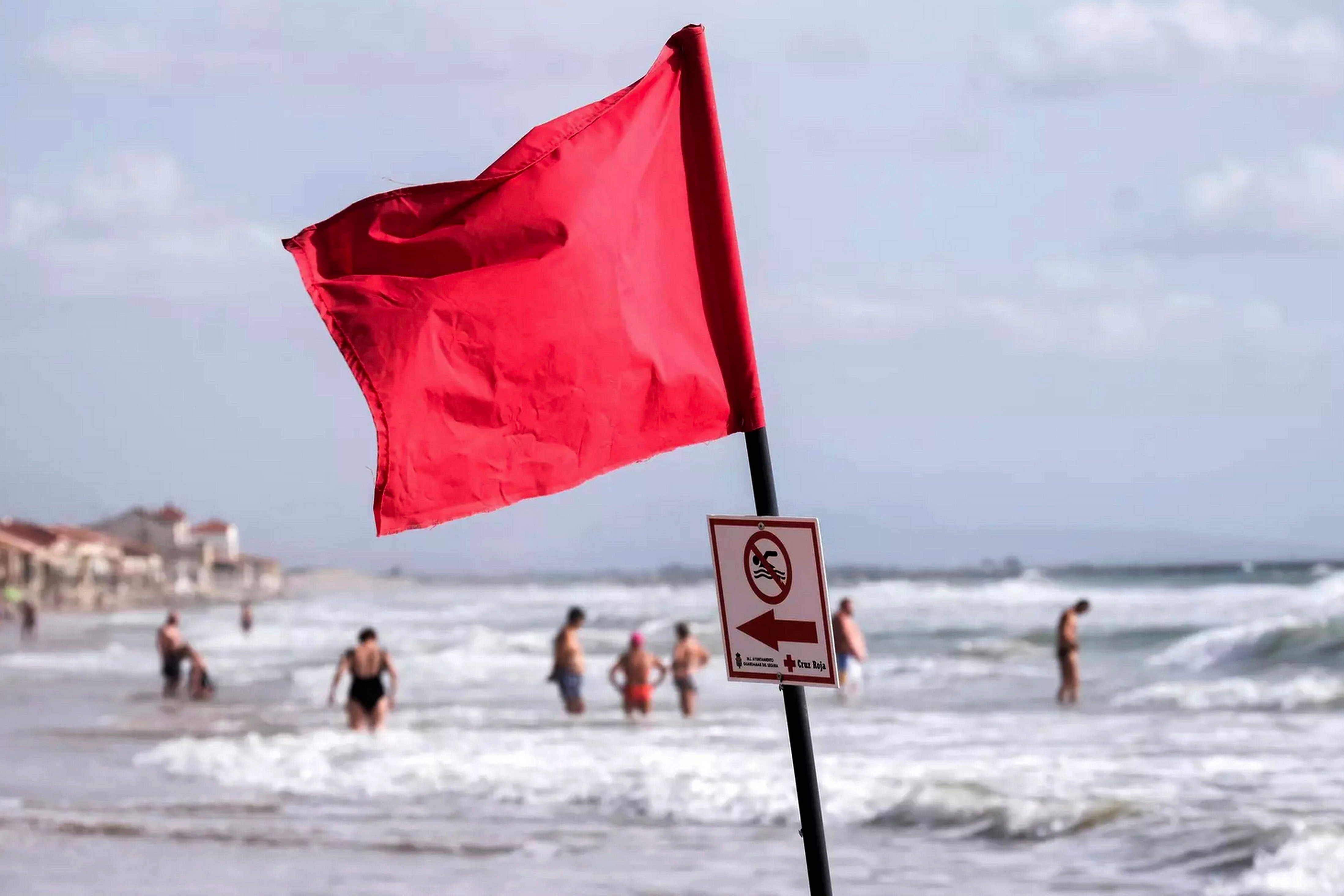
The red flags were replaced on Thursday with yellow flags when it was deemed safe for bathers to re-enter the water
SOLARPIX
The mayor of Guardamar del Segura, José Luis Sáez, told the Efe news agency that the beaches were closed on Wednesday and would remain so on Thursday while the situation was monitored. A full 11km stretch of water was closed, according to local media.
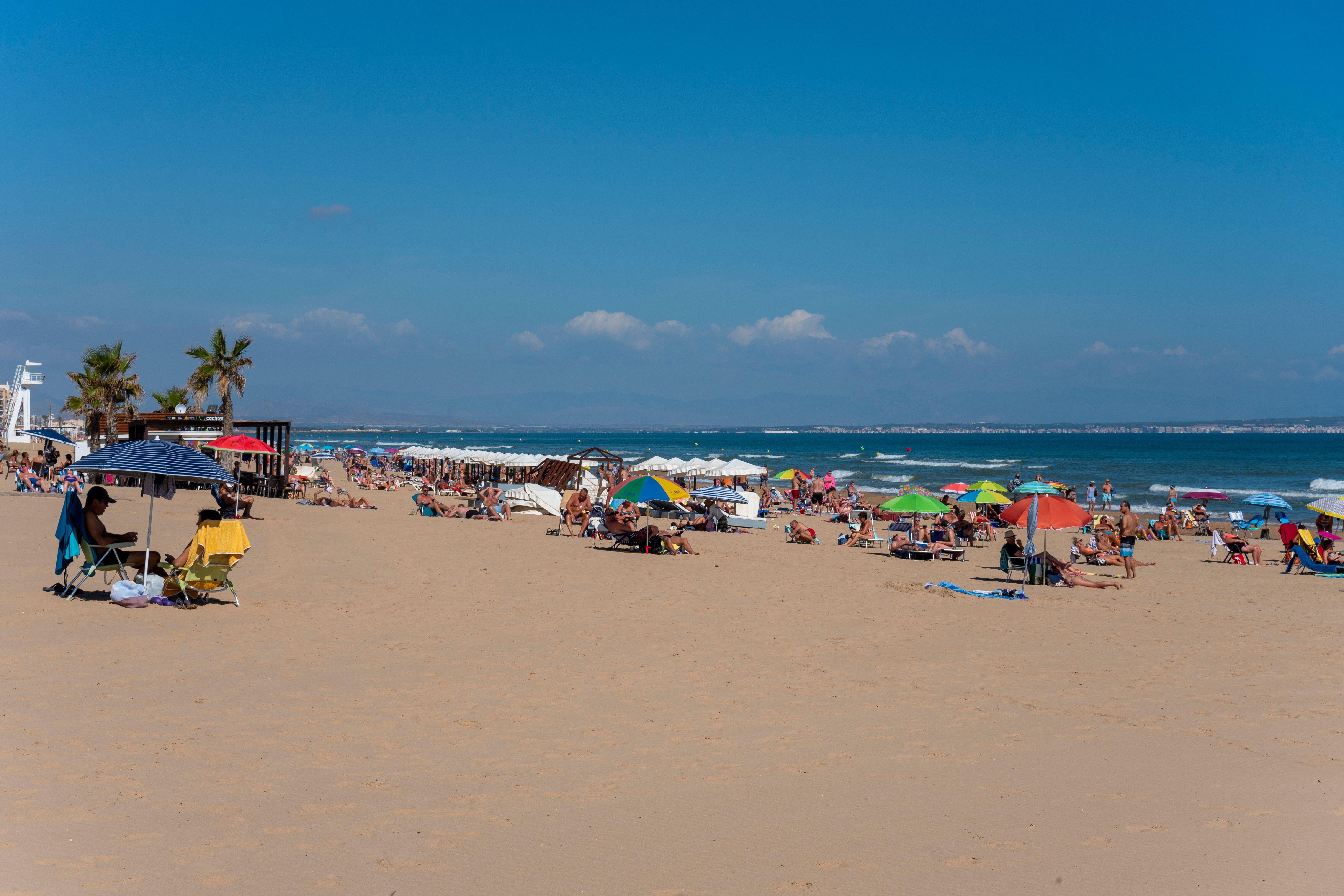
The mollusc was also seen in Guardamar del Segura, Alicante, in 2021
AVPICS/ALAMY
In a social media post, Sáez announced at lunchtime on Thursday that the search had been completed and the yellow flag had been raised, meaning beachgoers could re-enter the water.
The public had been warned not to touch the blue dragons if they saw them, even with gloves on, and to immediately alert the authorities.
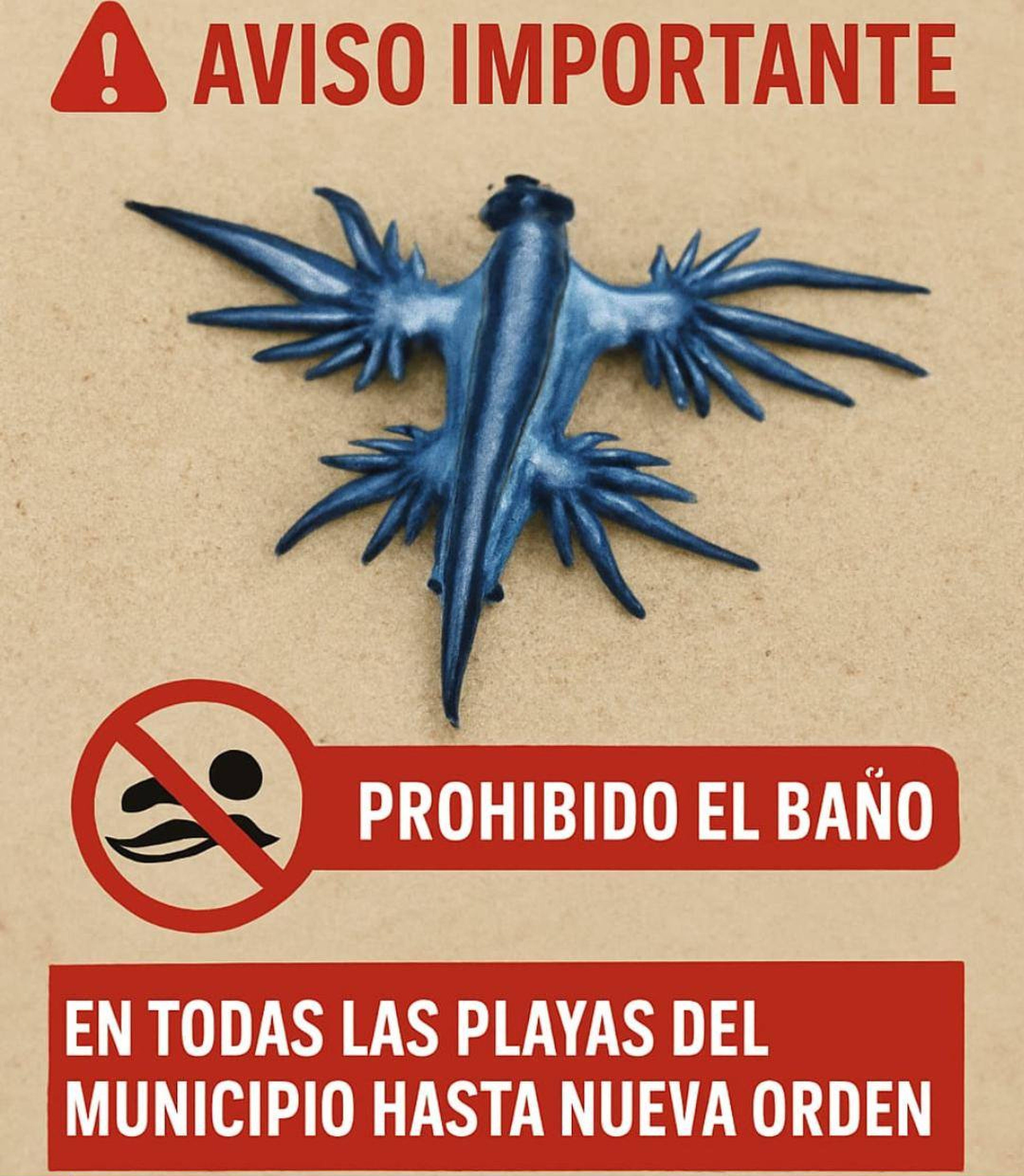
Bathing was prohibited on all beaches in the municipality until further notice
SOLARPIX
• Fake signs warn off visitors to Mallorca beaches
The small slug feeds on larger organisms, such as the venomous Portuguese man-of-war. When it does so, it stores toxins for its own use, making it dangerous to humans.
The sting can cause nausea, pain and vomiting. Victims are advised to rinse the bite area with salt water and seek medical assistance.
The first recent sighting of a blue dragon on the Spanish Mediterranean coast was in 2021, having previously been absent from the area for about 300 years.
A total of eight specimens were found on the coasts of Guardamar del Segura, Orihuela and Torrevieja in the summer of 2021. Then in the spring of 2023 another was found in Javea and in August of the same year another was found in the waters of Torrevieja.
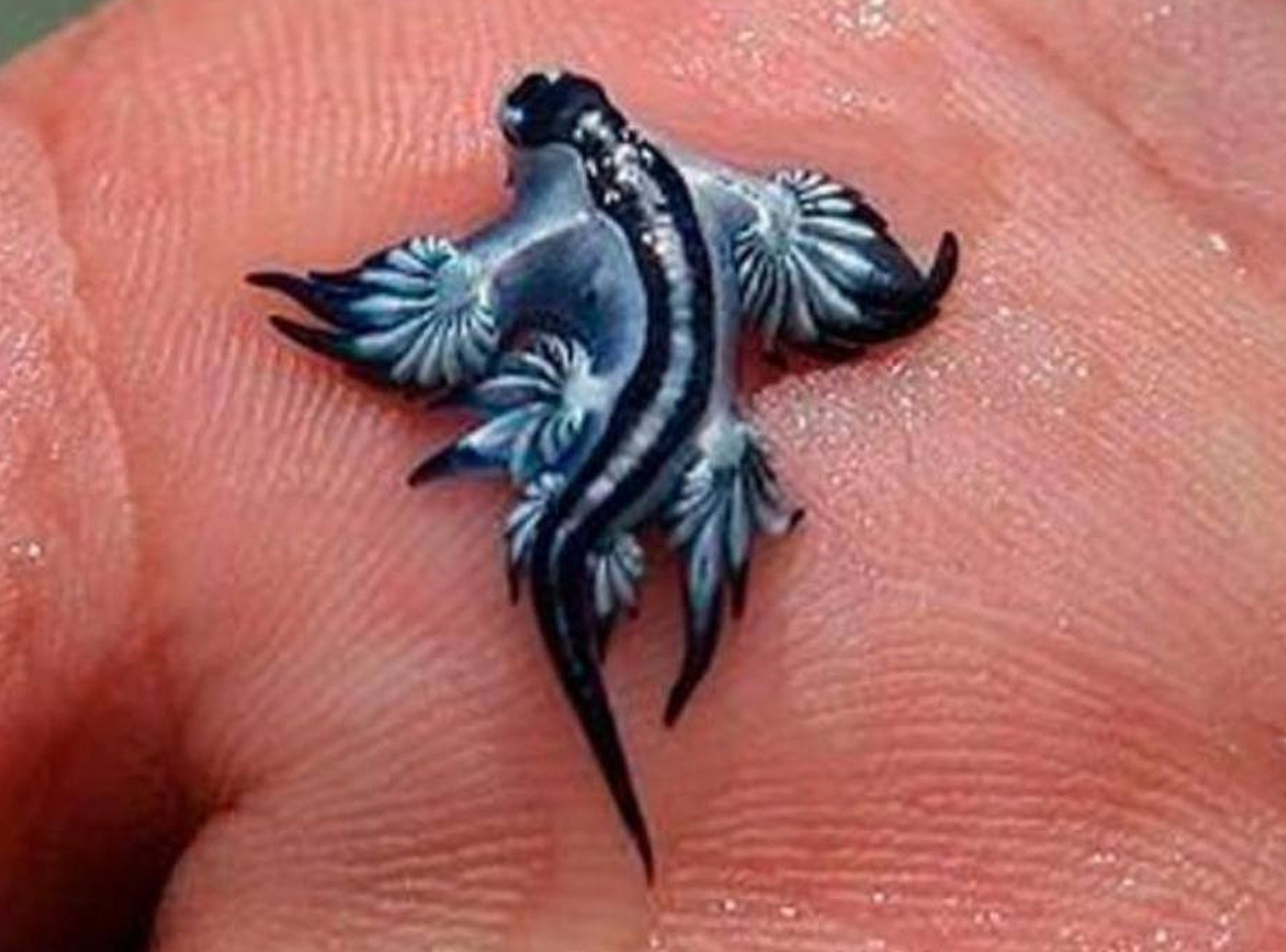
The blue dragon is usually found in tropical areas or in temperate regions and very rarely in the Mediterranean. The mayor said that the specimens had probably been dragged to the coast by strong currents.