
Published on
August 22, 2025

Malta Welcomes a New Coastal Luxury Experience, Transforming Hospitality Standards and Elevating Global Traveler Expectations
Observers in the hospitality and travel sectors noted that the opening of a distinguished new coastal property along Balluta Bay marked a significant addition to Malta’s luxury accommodation offerings. The Cavalieri Art Hotel, a member of Radisson Individuals, was recognized as a strategic enhancement of the island’s hospitality landscape, offering visitors a combination of seaside tranquility, modern design, and immediate access to the vibrant social, dining, and nightlife districts of St Julian’s. Industry analysts indicated that this location provided travelers with an ideal balance of relaxation and city connectivity, catering to both leisure seekers and business travelers alike.
Experts remarked that the establishment of this property reflected broader trends in global hospitality, emphasizing experiential stays, personalized services, and prime coastal locations as increasingly influential factors in travelers’ decision-making. The integration of contemporary architecture, expansive amenities, and scenic coastal views was seen as a strategic effort to elevate Malta’s international tourism profile and competitiveness. Analysts suggested that properties like the Cavalieri Art Hotel were shaping expectations for quality, convenience, and immersive experiences within Mediterranean tourism markets.
Design Harmonized with the Sea
Observers reported that the Cavalieri Art Hotel was intentionally designed to integrate contemporary aesthetics with the natural splendor of Balluta Bay. Industry specialists emphasized that rooms and suites were crafted to provide panoramic views of the bay and the Sliema skyline, combining functionality with visual impact. Analysts noted that this design philosophy aligned with a growing global preference in hospitality for destination-specific charm, enabling travelers to experience a tangible cultural and visual connection to their surroundings.
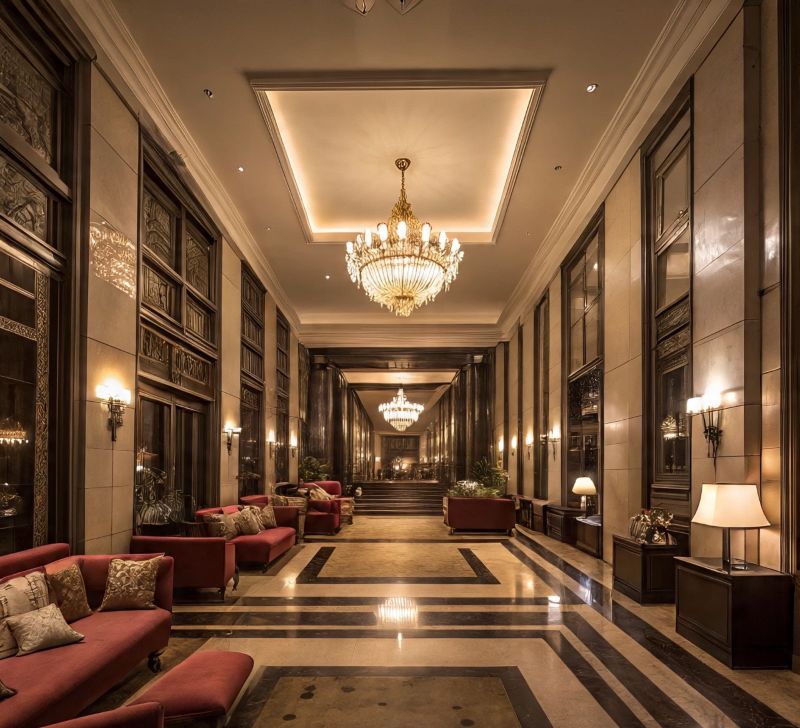
Commentators highlighted that the property’s architecture and interior design fostered a serene retreat, where the balance between modern elegance and coastal serenity encouraged relaxation and reflection. Experts observed that this thoughtful design approach provided a distinctive advantage in a competitive market, appealing to travelers who value both aesthetic refinement and functional luxury. The overall effect, they suggested, was a more immersive and meaningful guest experience, creating an environment where visitors could enjoy both comfort and a unique connection to the local landscape.
Culinary Experiences and Dining Options
Industry analysts highlighted that the hotel’s three distinct dining venues offered visitors a range of immersive culinary experiences. Baco Noir, positioned above the bay, was described as a space where guests could enjoy à la carte selections and refreshing beverages on a terrace that appeared suspended over the water. Ottocento specialized in internationally inspired dishes, blending creativity with flavor innovation, while the seasonal poolside venue Pommarola provided lighter, fresh options designed for relaxed afternoons by the water.
Observers suggested that the diversity of dining experiences reflected a deliberate strategy to combine local culinary influences with global gastronomic trends, appealing to a wide spectrum of travelers. Experts noted that offering elevated and varied dining options had become increasingly important in contemporary travel, influencing destination choice and overall guest satisfaction. They added that such a focus on premium culinary experiences positioned Malta as a destination capable of meeting the expectations of sophisticated, experience-driven international tourists.
Accessibility and Local Attractions
Analysts remarked that the hotel’s prime location offered immediate access to nearby beaches, historical landmarks, and the dynamic districts of St Julian’s and Paceville. Observers noted that this connectivity made the property equally appealing to leisure travelers seeking exploration and business guests requiring proximity to urban centers.
Experts further emphasized that Malta’s rich cultural and historical layers—including Phoenician temples, Baroque architecture, and World War II relics—were readily accessible from the hotel. This allowed visitors to engage deeply with the island’s heritage while also enjoying opportunities for serene relaxation by the sea or pool. Analysts suggested that this dual appeal, combining cultural engagement and tranquil retreat, enhanced the property’s versatility, attracting diverse traveler demographics and supporting the growth of regional tourism.
Event Spaces, Meetings, and Celebrations
Industry commentators observed that the Cavalieri Art Hotel offered flexible event spaces suitable for a variety of corporate, social, and private functions. The naturally lit venues, framed by panoramic views of Balluta Bay, were considered ideal for meetings, conferences, weddings, and other celebrations, combining visual grandeur with practical functionality.
Experts highlighted that the ability to host memorable events strengthened the hotel’s market position. Observers suggested that these facilities could stimulate regional business tourism, generating additional revenue through accommodations, catering, and event services while simultaneously supporting the local economy. Analysts remarked that versatile event spaces of this kind not only enhanced the property’s appeal but also contributed to broader tourism development strategies in the region.
Global Significance for Travelers and the Hospitality Sector
Observers indicated that the hotel’s launch reflected a broader, global movement toward experience-driven, destination-focused hospitality. By offering a combination of seaside retreat, contemporary design, curated dining experiences, and multifunctional event capabilities, the Cavalieri Art Hotel was expected to influence traveler expectations in Malta and comparable Mediterranean destinations. Analysts suggested that the property’s appeal to international visitors could encourage cross-border tourism, lengthen average stays, and increase spending in the region.
- Enhanced access to Balluta Bay, St Julian’s, and Sliema for both leisure and business travelers
- Premium experiential and culinary offerings aligned with international traveler preferences
Experts concluded that the integration of scenic location, tailored experiences, and operational versatility set a standard for other hospitality providers aiming to elevate guest satisfaction while supporting local tourism infrastructure. Observers predicted that such developments would likely encourage competing properties to focus on location-driven design, high-quality dining experiences, and multifunctional event facilities to maintain market competitiveness.
Conclusion
In summary, analysts highlighted that the opening of Cavalieri Art Hotel, a member of Radisson Individuals, represented a transformative addition to Malta’s hospitality landscape. By combining contemporary design, breathtaking sea views, comprehensive amenities, and adaptable event spaces, the property was well-positioned to meet the needs of a broad spectrum of travelers. Experts noted that this strategic development was likely to support tourism growth, stimulate the local economy, and influence evolving travel expectations throughout the Mediterranean.
Industry observers emphasized that the property exemplified how thoughtful integration of design, location, and services could simultaneously enhance guest experiences and contribute meaningfully to the cultural and economic vitality of a destination. Analysts suggested that this hotel would serve as a benchmark for experience-focused hospitality, demonstrating how modern accommodations can meet the diverse needs of contemporary travelers while reinforcing a region’s appeal as a premier international tourism hub.
