
Published on
August 22, 2025

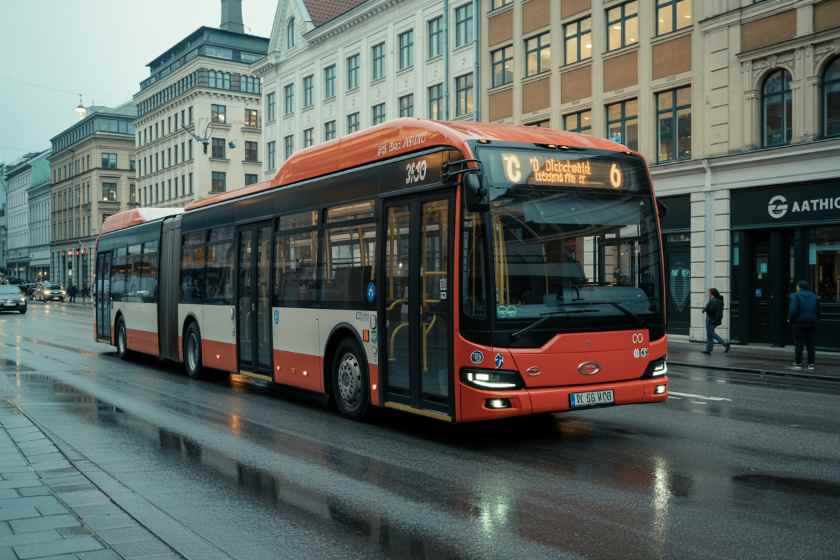
Norway is making a bold move for sustainable tourism with the rollout of its first fleet of all-electric buses from Scania. Built on the company’s modular battery platform, the zero-emission buses are poised to transform public transport nation-wide, giving both travellers and residents a greener way to move. Destined for the country’s most iconic sites, the vehicles will play a crucial role in cleaning up transport and expanding eco-friendly travel choices for those wandering through its majestic fjords and storied towns.
Every year, millions of visitors are drawn to Norway’s dramatic skyline of fjords, peaks, and seaboard. The new electric fleet fits seamlessly with the nation’s decades-long push for a low-carbon future. By linking the remote yet stunning corners of the land with quiet, dependable buses, Norway allows tourists to roam its wonders guilt-free, further shrinking the carbon footprint of a growing travel industry.
Sustainable Transport for Norway’s Tourists
Integrating electric buses into Norway’s public transport network represents a powerful step toward greener tourism. Cities and remote regions alike draw global visitors eager for fjords, trails, and medieval architecture. These new buses will connect Oslo, Bergen, and the Lofoten Islands with zero tailpipe emissions, allowing guests to roam the country’s most treasured spots while leaving a lighter footprint on the land.
For travelers who consider the climate, the electric bus service simplifies the choice to reduce carbon impact. A day’s itinerary can flow from the capital’s galleries to the hike up Trolltunga, and a scenic cruise on Geirangerfjord, all with a conscience eased by silent, electric power.
Enhancing Accessibility and Comfort for Tourists
Beyond greenness, the electric buses elevate the visitor experience in other ways. With spacious seating, Wi-Fi, and panoramic windows, each journey feels both modern and relaxed. The hum-free glide of the electric drivetrain lets passengers drink in Norway’s scenery—sheer cliffs, shimmering lakes, and lighthouses—against a soundtrack of wind and water, not the thrum of diesel engines.
Along with a smooth ride, the new electric buses pay special attention to accessibility, welcoming every traveler, including those with mobility needs. Low floors and wide doors mean a quick and simple step on for visitors who use wheelchairs and for families with strollers, letting everyone hop on and off the same way. This focus on universal design opens the entire tourism map to a broader set of guests, encouraging more people to wander Norway’s fjords, stave churches, and heritage trails.
Bringing electric buses into the public transport family does more than shrink carbon footprints; it gives a lift to local economies. Tourists heading to smaller villages or the outer coastal islands gain the freedom to roam, moving between sights that stay off the radar of bigger coaches. Visitors hiking to the edges of national parks or stopping in remote hamlets now ride the same silent, battery-powered buses, spreading spending and smiles to places that once waited a little longer for handshakes across the counter.
For small-town shops and eateries, the rollout of electric buses means more people on the sidewalks and more wallets open. Travelers can now glide seamlessly between cities and the countryside, making a lunch stop at a family-run café, browsing a local craft store, or booking a tour of nearby fjords a natural part of the journey. That sustained, urban-level foot traffic means more consistent trade for everyone from food stalls to guided fishing trips.
A Sustainable Norwegian Dream
These quiet, green buses are a key piece of Norway’s larger plan to slash carbon footprints and open up a gentler kind of tourism. When the government pumps money into electric fleets, it’s not just giving visitors a pleasant ride; it’s giving every resident cleaner air, less noise, and more reliable local transit. By championing electric mobility at every stop, Norway is laying claim to its crown as the world’s shining example of sustainable tourism.
Norway’s push for electric buses dovetails seamlessly with its goal of reaching carbon neutrality by 2050—an aspiration shared by countless nations and cities the world over. Already, the country’s commitment to lowering emissions and fostering eco-tourism has made it a magnet for travelers intent on treading lightly on the planet. As visitors increasingly gravitate toward destinations that put sustainability front and centre, Norway’s dedication to zero-emission transport secures its place as the leading choice for conscientious globetrotters.
Conclusion: A Greener Future for Tourism in Norway
The roll-out of electric buses in Norway marks a significant leap toward a more sustainable tourism industry, granting visitors a guilt-free means to savour the country’s stunning vistas and landmarks. With eco-conscious travel now non-negotiable for many, the new fleet of electric coaches is destined to become a fundamental pillar of Norway’s tourism network.
By weaving sustainability into the very fabric of mobility, Norway enables explorers to roam its natural marvels while leaving the lightest of footprints—supporting local communities and enriching the overall travel experience. For tour operators and wanderers alike, tourism in Norway is on a path that is not only brighter but also greener than ever before.
