
The number of teens reporting depressive symptoms has risen sharply over the past decade, and the trend is particularly bad in Oregon.
PORTLAND, Ore. — Growing scientific evidence points to a critical issue impacting younger generations. Nationwide, more children and teens are reporting symptoms of anxiety, depression and suicidal ideation.
According to the Centers for Disease Control and Prevention, 40% of high schoolers reported experiencing depressive symptoms in 2023 — up from 30% just 10 years earlier.
The trend is particularly bad in Oregon, and as students across the state enjoy their final days of summer vacation before heading back to school, parents want to know how they can best support their children’s well-being amid the youth mental health crisis.
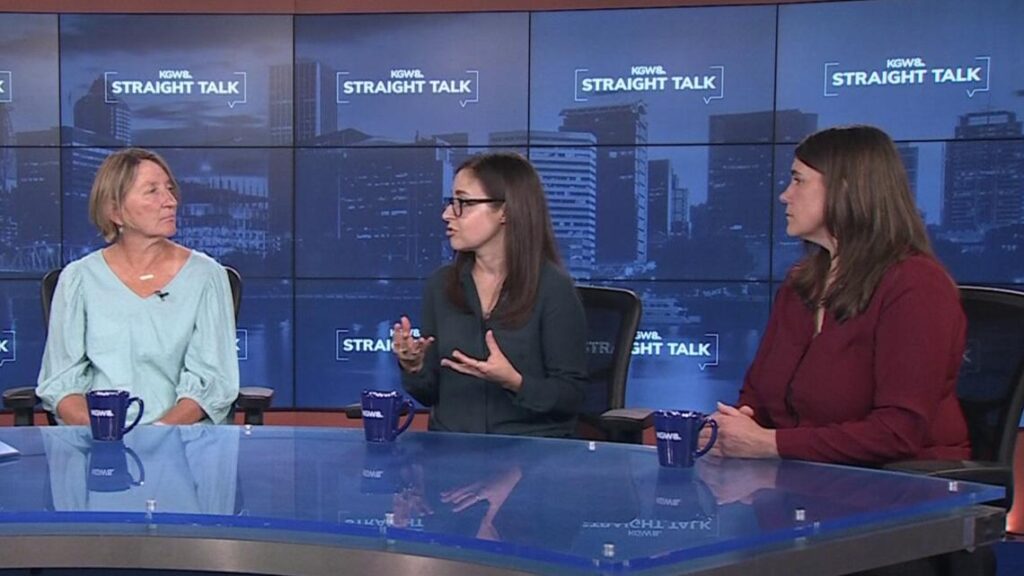
On this week’s episode of “Straight Talk,” three experts who are working to get ahead of the curve came together to talk about what’s driving the trend, what researchers say can be done to help, and what kids are saying they need.
Dr. Jen Doty is the director of the Family and Human Services Program at the University of Oregon and an associate professor in counseling psychology. Her research focuses on how technology and parent-child relationships can improve the health and well-being of young people.
Dr. Beth Stormshak is a professor, as well as the Knight Chair and the University of Oregon’s Department of Counseling Psychology and Human Services. Her research focuses on the link between risk factors in early and middle childhood and problematic behaviors in teens.
Dr. Ariel Williamson is an assistant professor at the University of Oregon’s Ballmer Institute for Children’s Behavioral Health and the director of the Behavior, Emotions, Development and Sleep (BEDS) lab on childhood sleep behavior.
“Straight Talk” airs Saturday and Sunday at 6:30 p.m., and Monday at 7 p.m. “Straight Talk” is also available as a podcast.