
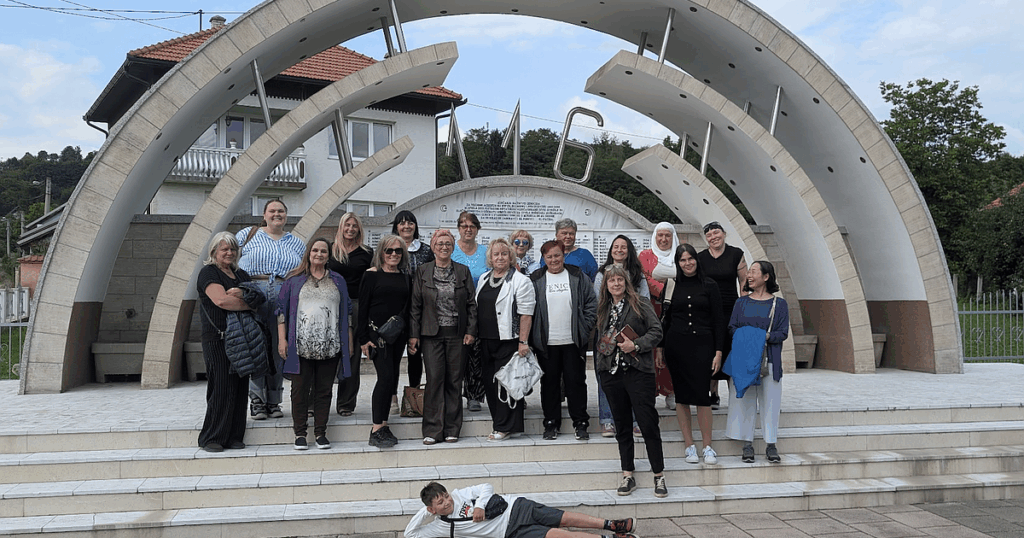
Local child abuse prevention and family strengthening specialist KJ Brant participated Aug. 6-9 as a presenter at the Kolo International Women’s Summit 2025: Memory in Motion: Social Change and Healing Transgenerational Trauma on Mt. Vlasic, Bosnia-Herzegovina.
This women-only conference brought together scholars, practitioners and activists to engage in transdisciplinary discussions on transgenerational trauma, memory and its relevance to women’s agency, social change and healing in post-conflict societies.
As a presenter, Brant led the “Healing Transgenerational Trauma Through the HOPE Framework” workshop Aug. 8, focusing on her paper, titled “Memory in Motion: Social Change and Healing Transgenerational Trauma through the HOPE Framework.” Drawing from the foundational research of Robert D. Sege and Charlyn Harper Browne, Brant’s session explored the Healthy Outcomes from Positive Experiences framework as a tool for empowering women and children in post-conflict communities like Bosnia-Herzegovina. The workshop highlighted how adverse childhood experiences perpetuate intergenerational trauma and how the HOPE framework’s building blocks — relationships, environment, engagement and emotional growth — can disrupt cycles of adversity, foster resilience and promote community and societal transformation.
Transgenerational trauma refers to the transmission of trauma’s emotional, psychological and behavioral effects across generations, impacting descendants of those who directly experienced traumatic events. In the context of the Bosnian War, for example, survivors’ unresolved trauma — stemming from violence, displacement or loss — can manifest in their children or grandchildren as anxiety, hypervigilance or disrupted family dynamics, perpetuating cycles of adversity.
Memory in Motion describes the process of engaging with collective and individual memories of trauma to foster social change and healing. It emphasizes how remembering and reinterpreting past events, such as the atrocities of the Bosnian War, through cultural practices like oral storytelling and rituals, can transform pain into pathways for resilience, empowerment and societal transformation, preventing future violence by actively shaping a hopeful future.
“The Memory in Motion Summit provided a vital, safe space for women to share stories and strategies for healing transgenerational trauma,” Brant said. “I am honored to have contributed the HOPE framework as a methodology to mitigate adverse childhood experiences to improve the adult mental and physical health outcomes of individuals who experience transgenerational trauma.”
The Bosnian War (1992–1995) was a brutal conflict in Bosnia-Herzegovina following the breakup of Yugoslavia, marked by ethnic tensions among Bosniaks, Serbs and Croats. Triggered by Bosnia’s declaration of independence, the war involved widespread violence, ethnic cleansing and atrocities, notably the Srebrenica genocide. It resulted in over 100,000 deaths, millions displaced and significant destruction. The conflict ended with the Dayton Agreement, which established a fragile peace and a complex political structure, leaving lasting scars on the region’s social and cultural fabric.
“During the summit, I had the unique privilege of interviewing a young Bosniak woman whose father was in a concentration camp for a year during the war. As he was a ‘special’ person, meaning a government official, he suffered more extreme punishment, including regular torture,” Brant said. “She shared her experiences living as a displaced child during this time, along with her mother and sibling, and how she still carries with her childhood adversity that impacted her emotional and physical development. But then she reflected how when she was finally reunited with her father, she was in awe of how he modeled a positive and loving attitude that helped buffer the long-term effects of the war on her.”
The region continues to grapple with significant political instability, characterized by entrenched ethnic divisions, political polarization and escalating secessionist threats from Republika Srpska leaders, who have undermined the country’s sovereignty and sparked a crisis amid fears of broader regional destabilization. These tensions, rooted in the aftermath of the 1990s Balkan Wars, perpetuate cycles of distrust and economic stagnation, raising concerns about renewed violence in the Western Balkans. The Kolo International Women’s Summit 2025 aims not only to facilitate healing through women-led discussions on memory keeping, trauma healing practices and community resilience-building but also to prevent future violence by addressing intergenerational wounds, fostering social justice and empowering communities to transform survival into thriving societal well-being.
Conference presenters accompanied female war crime survivors to the Ahmići-Vitez Memorial Museum to bear witness to the Ahmići massacre, an act of ethnic cleansing during the Bosnian War on April 16, 1993, when Croatian Defence Council forces systematically attacked the village of Ahmići near Vitez, killing 116 Bosniak civilians — including 32 women and 11 children — in their homes and destroying the community as part of a broader campaign characterized as genocidal due to its deliberate intent to eradicate Bosniak presence and culture in the region. This poignant visit prompted deep reflections on the aftermath, such as intergenerational trauma, unresolved grief and the slow path to accountability through international tribunals, while emphasizing the memorial’s enduring message for future generations: That confronting historical atrocities through collective memory and solidarity is essential to preventing recurrence and building a more just, peaceful society.
The summit, organized by the Kolo: Women’s Cross-Cultural Collaboration and founded by Danica Anderson, built on previous conferences to illuminate pathways from survival to thriving amid ongoing global crises. Brant’s participation underscores her commitment to advancing trauma-informed care through strength-based practices, leveraging her expertise in child abuse prevention and family strengthening, to support women and children in rebuilding resilient communities.
Brant currently serves as the community resource coordinator for the Idaho Children’s Trust Fund.
Info: 208-818-3001 or kj.brant@ctf.idaho.gov or kolocollaboration.org
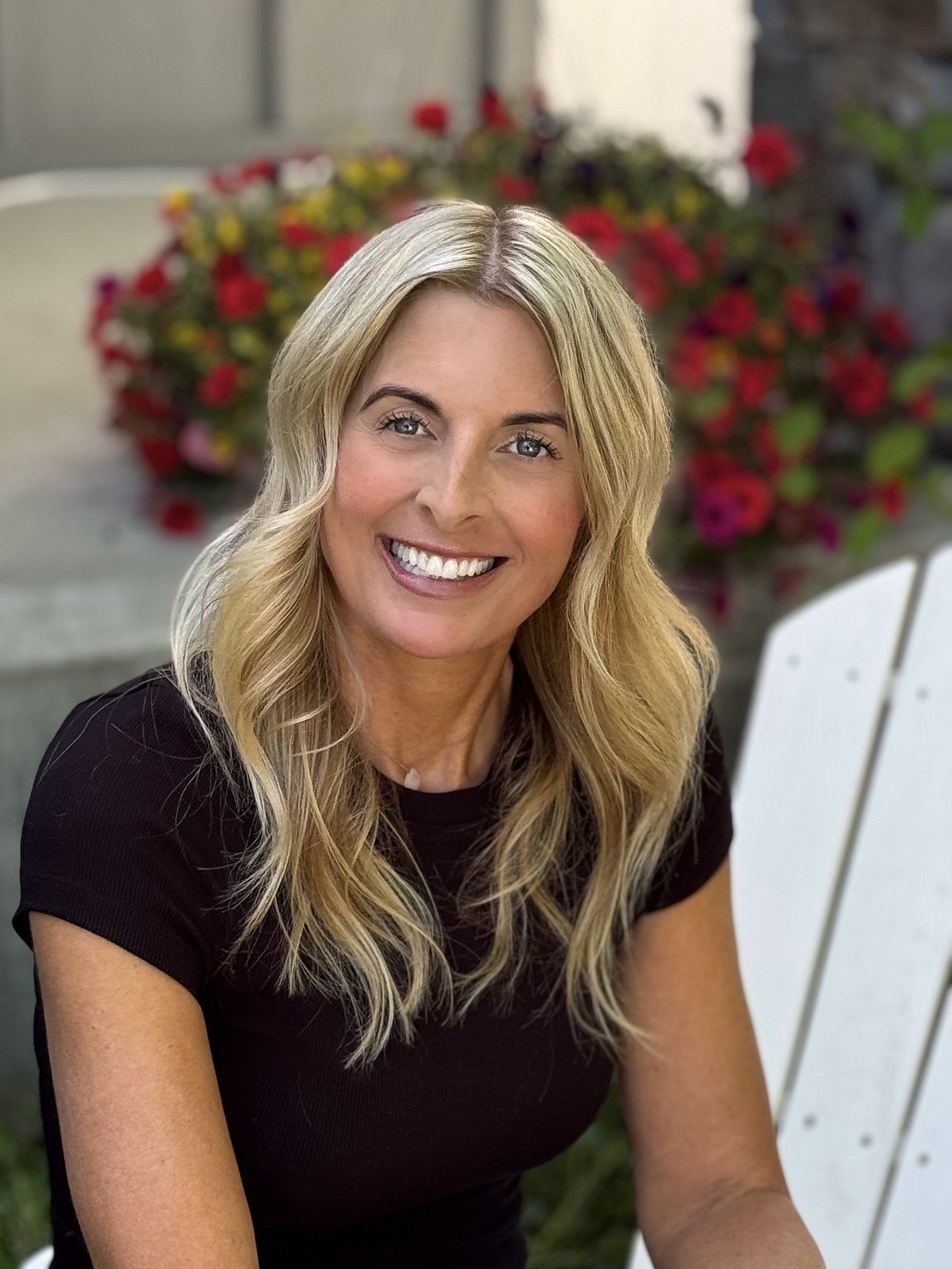 Brant
Brant