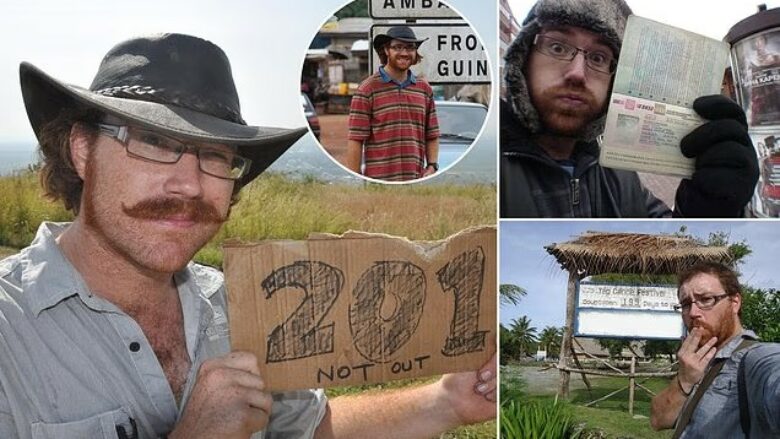
The Briton visited 201 countries around the world, stayed briefly in Kosovo – he traveled only by public transport

Express newspaper
27/08/2025 14:25
A British adventurer has shared the extraordinary story of how he became the first person to travel to every country in the world without taking a single flight.
Instead of getting on a plane, Graham Hughes, from Liverpool, used buses, trains, ferries, shared taxis and even fishing boats to visit all 193 UN member states – plus a few other territories, making a total of 201 countries.
The 46-year-old managed to secure the Guinness World Record on a shoestring budget, spending just £28,000 over four years and 31 days.
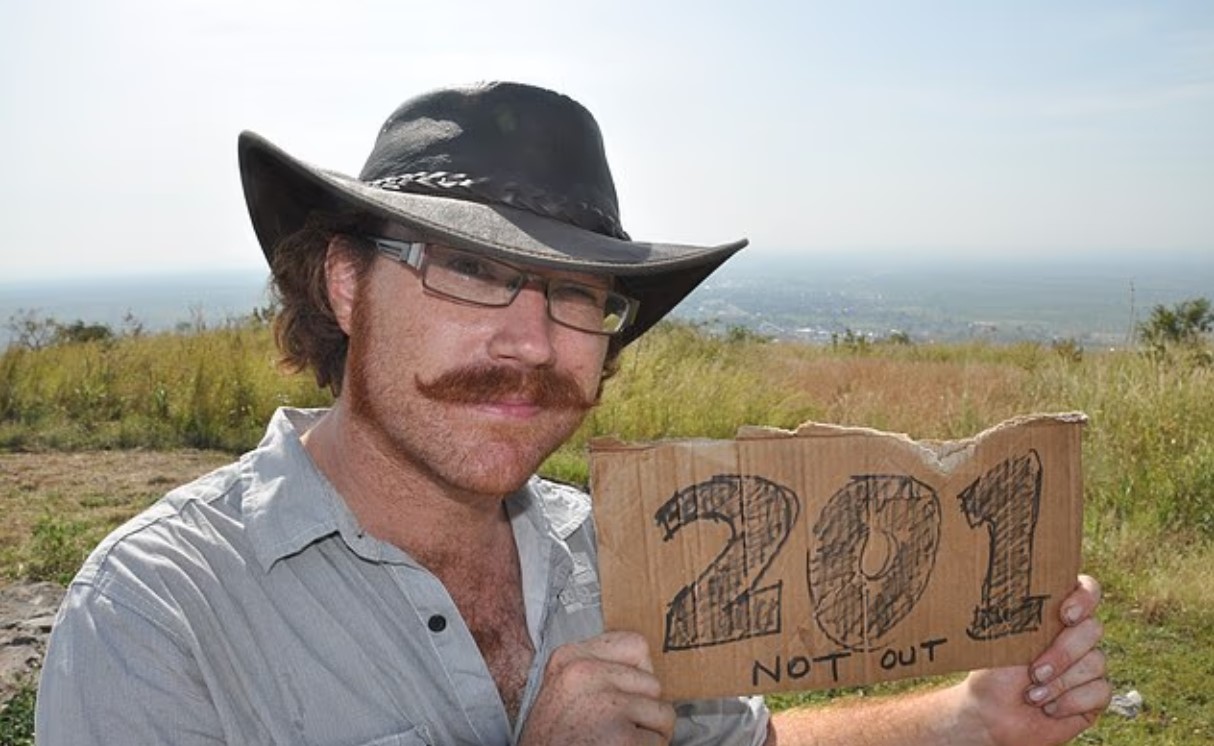
Graham called his record-breaking journey Expedition Odyssey, reflecting a perilous adventure that began on January 1, 2009.
She saw him travel on cargo ships, be thrown into prison in Cape Verde and the Democratic Republic of Congo, and even be stranded at sea without a boat with a working engine.
But the inveterate traveler continued – even returning to new nations that had gained independence after his first visit – and eventually managed to visit every country on Earth without buying a plane ticket.
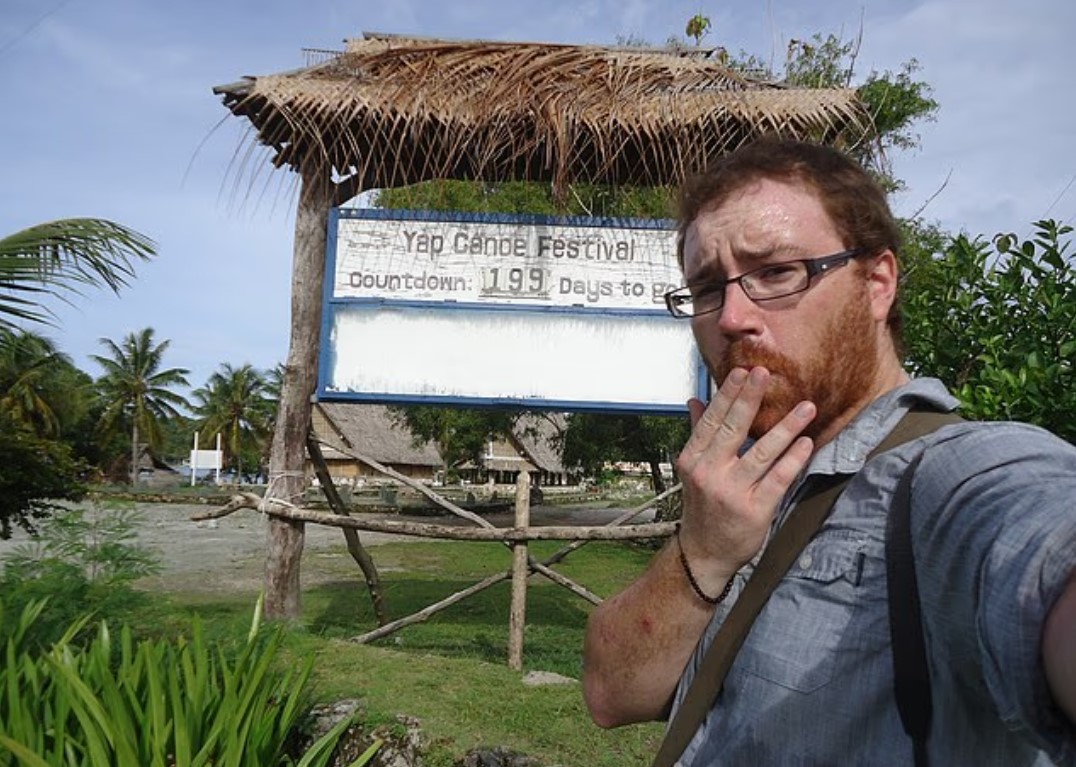
In just one year, Graham visited 133 countries by public land transportation, earning him a second Guinness World Record.
As Guinness World Records celebrates its 70th anniversary today, Graham sat down with the Daily Mail to discuss his incredible achievement – and what sparked the idea to set himself this extraordinary challenge.
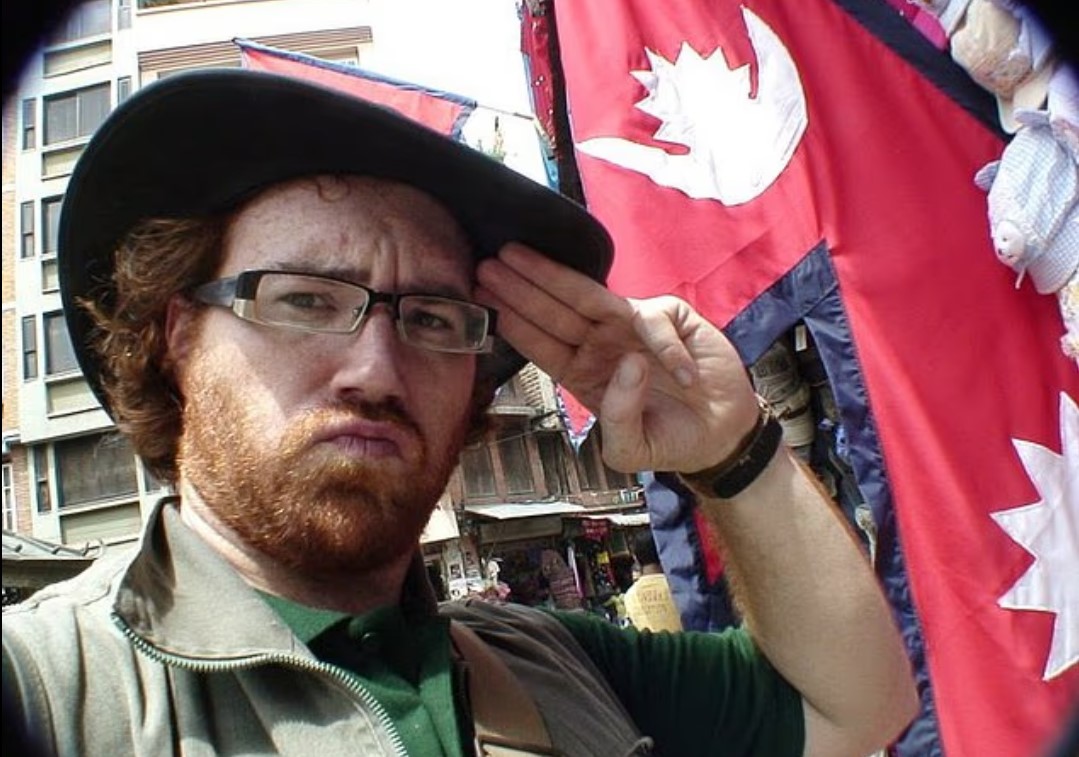
It all started with Michael Palin’s 80s TV show, Around the World in 80 Days, which featured the former Monty Python star traveling around the world without flying.
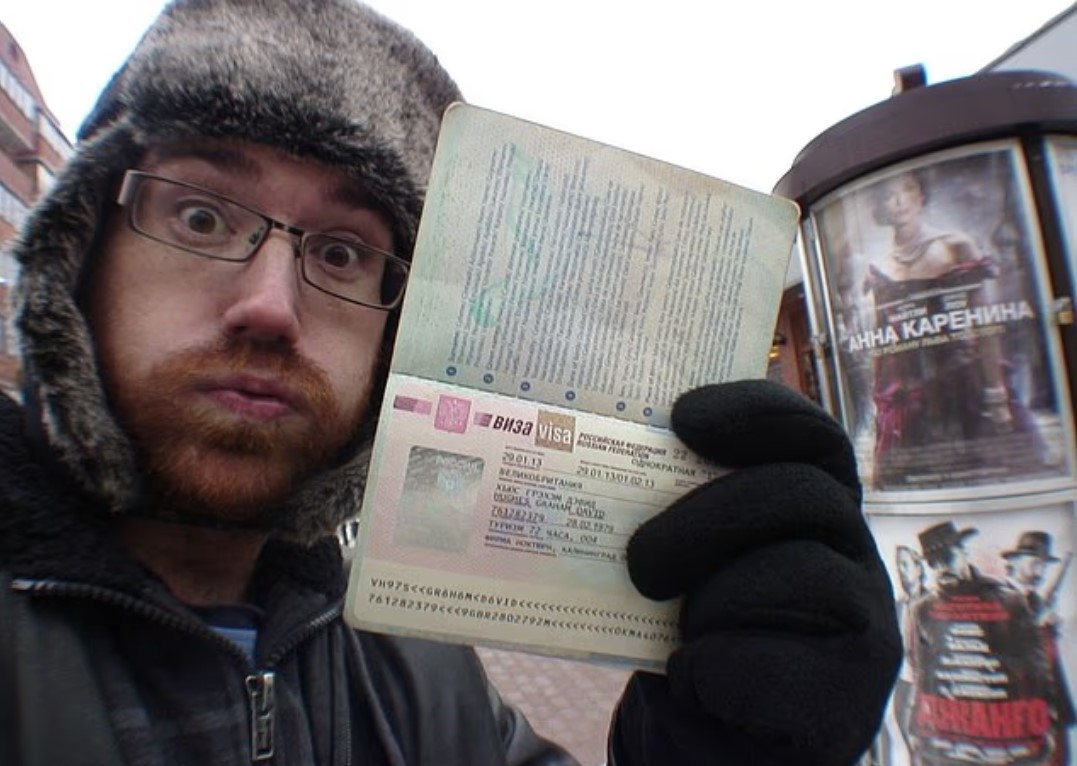
“That was really a formative part of my youth. Also, we would go on camping trips around Europe with me, my mom and dad when I was a kid. We went to Hungary and Czechoslovakia, and to East Germany right after the Berlin Wall fell. And it just seemed a little bit magical,” he said.
But it wasn’t just a sense of nostalgia or adventure that drove him to take on the task himself – it was about doing something no one else had done before.
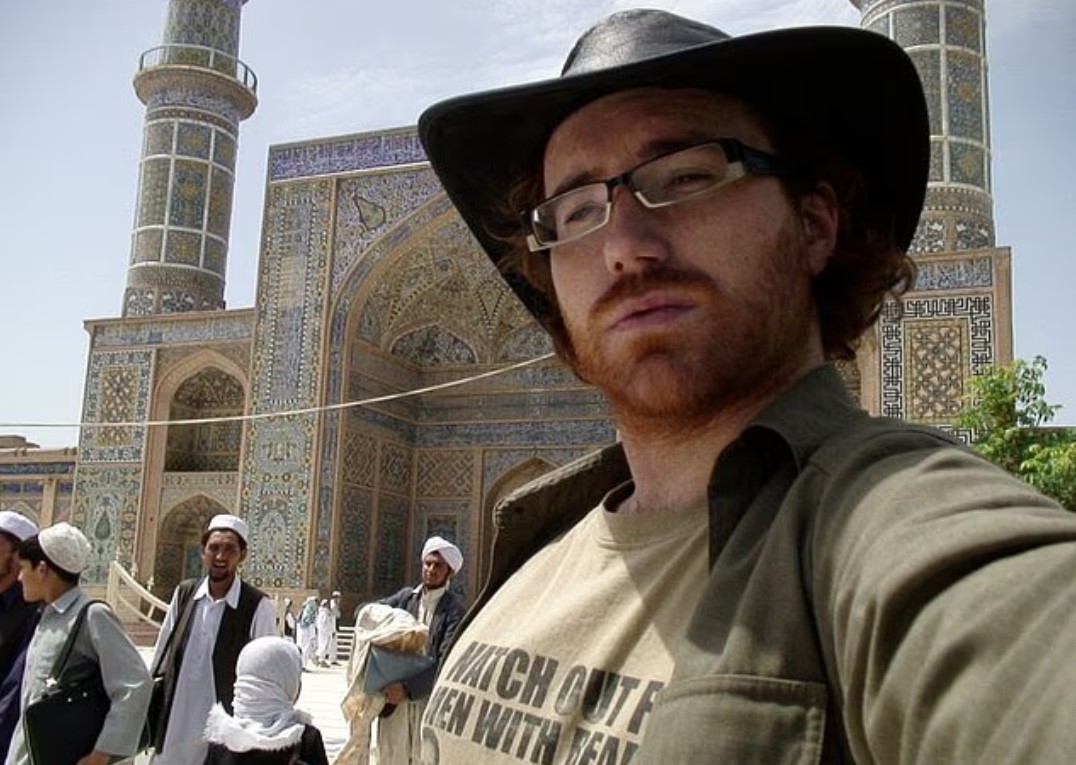
“Some people have already been to every country in the world, but yeah, flying. I want to do something that no one has done before and prove that it’s possible. And I did it all on a limited budget. So I wanted to prove that you didn’t have to be a kid. You didn’t have to come for money to do this kind of thing,” he added.
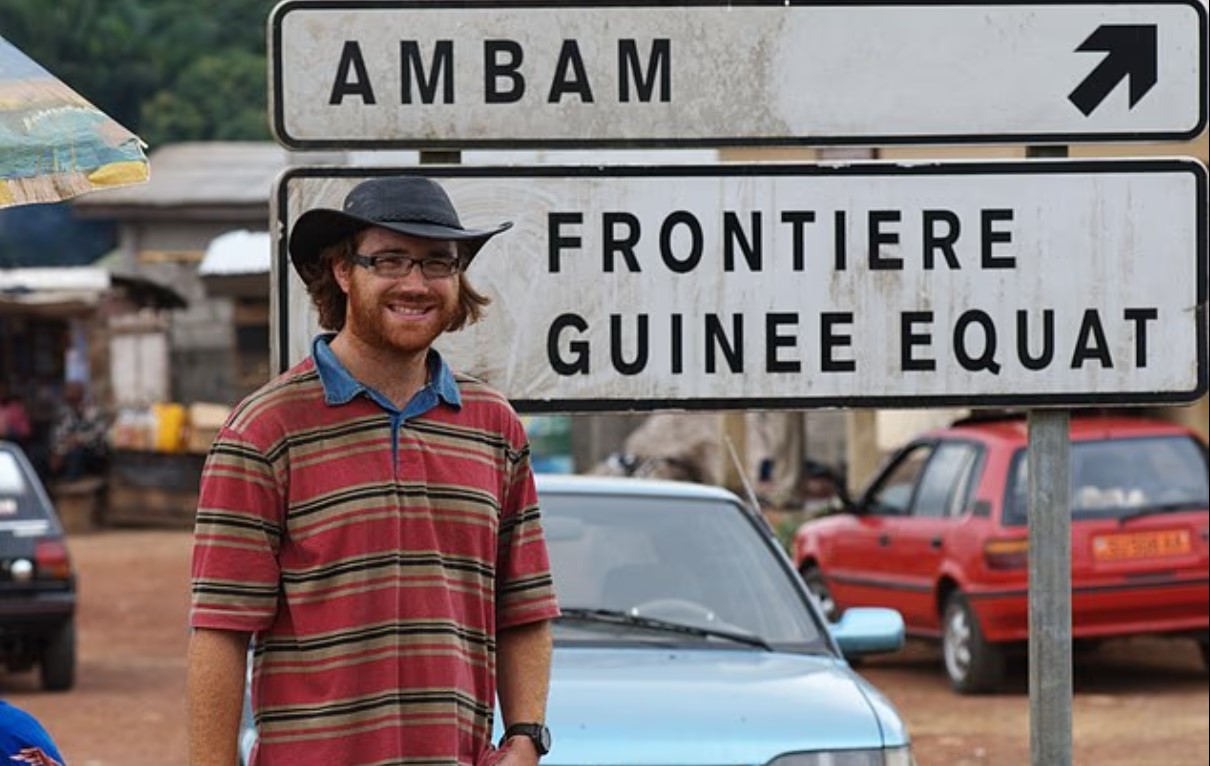
Graham kept costs low by sitting on the couch, using public transport, eating street food and looking, as he puts it, ‘a little ripped’.
“I was staying with locals wherever I went. I was taking public transport, which is very cheap in most places. In those places, it’s like $1 to go 100 miles. I was eating street food. I was keeping it very simple,” the Briton stressed.
To plan his trip, he visited Liverpool’s central library and borrowed every Lonely Planet guide he could find.
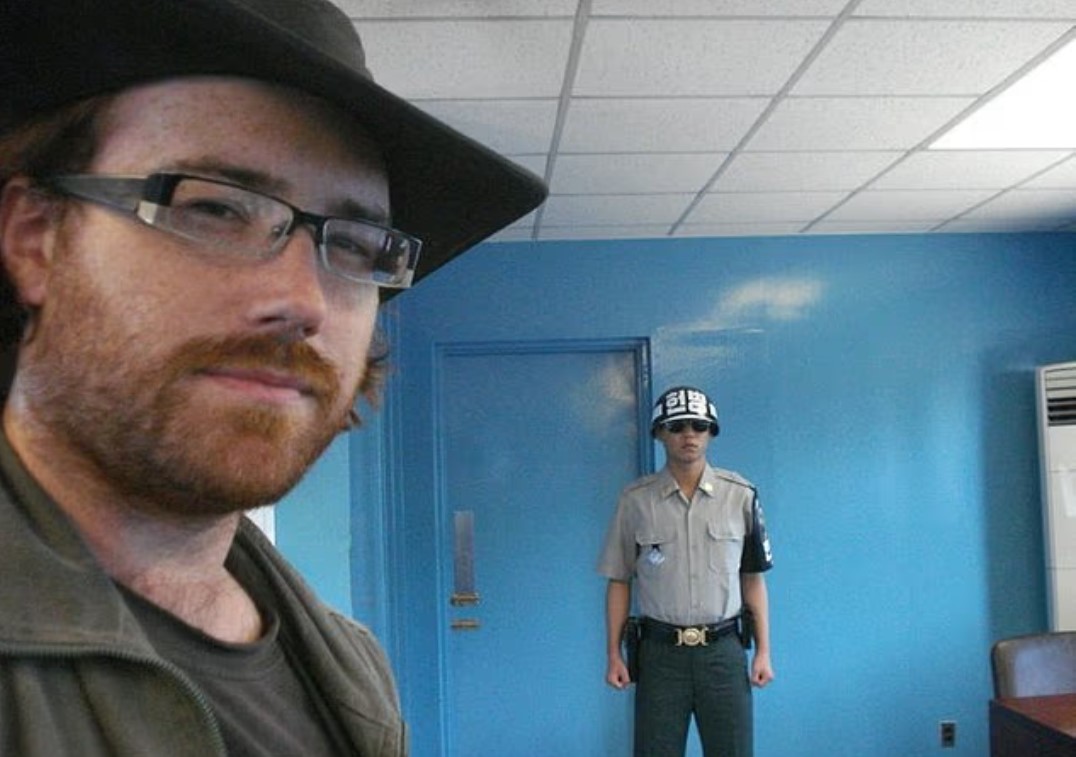
The first year of the expedition was turned into a TV series for Lonely Planet and aired in various locations around the world – but never in the UK, which frustrates him to this day.
During his trip, Graham visited UN-recognized states in various regions, from Latin America to Africa to the Pacific, but he also visited partially recognized non-member states, such as Palestine, Kosovo, Taiwan, and Western Sahara.

Although he had an overall positive and fulfilling experience, meeting the most “kind and welcoming” people along the way, Graham’s four-year journey was not without drama.
He revealed that he was once arrested in Cape Verde after being mistaken for a people smuggler while on a fishing boat with Senegalese fishermen.
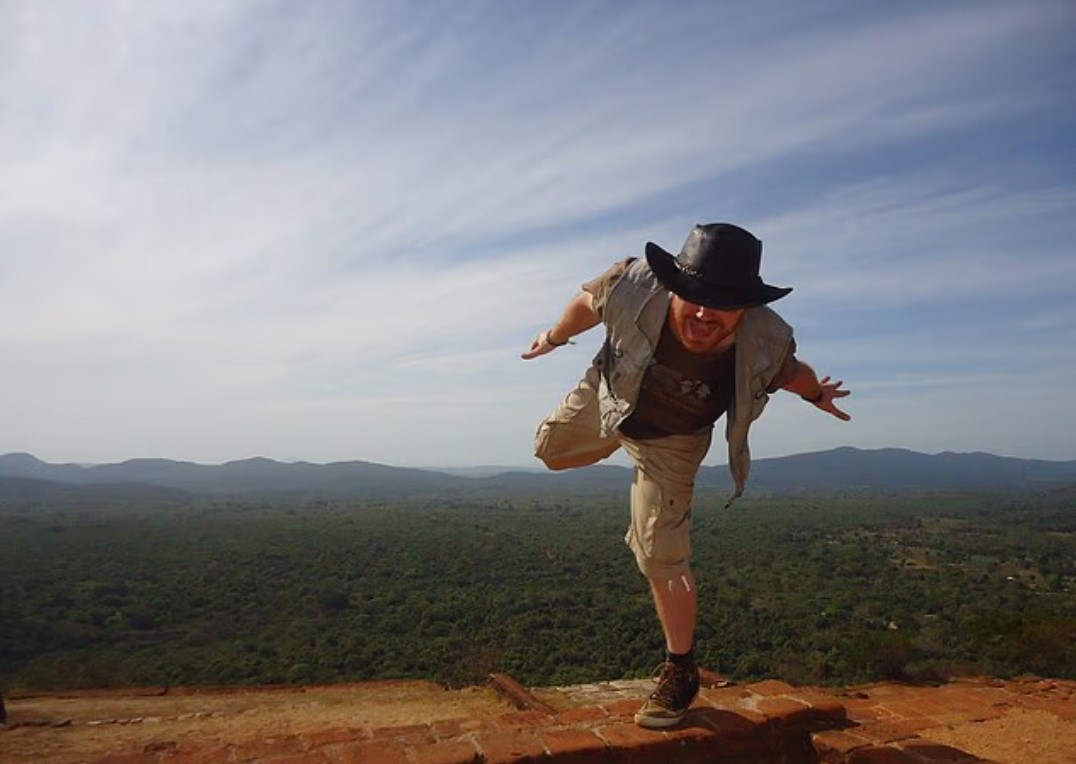
“We were held for six days in this cell that was designed for one person, and there were 11 of us in this cell. We were just sleeping on the floor. There was no bed or anything else on the concrete floor. When I got there, they saw my passport, and because it said ‘United Kingdom or Great Britain, Northern Ireland’, they only read the last word: Irish. So they didn’t report another detainee to the British embassy. So it was a few days before the British embassy discovered this, when they discovered what they were doing, it was, to be honest, some kind of communication breakdown,” the explorer added. /Telegraph