
Published on
August 31, 2025

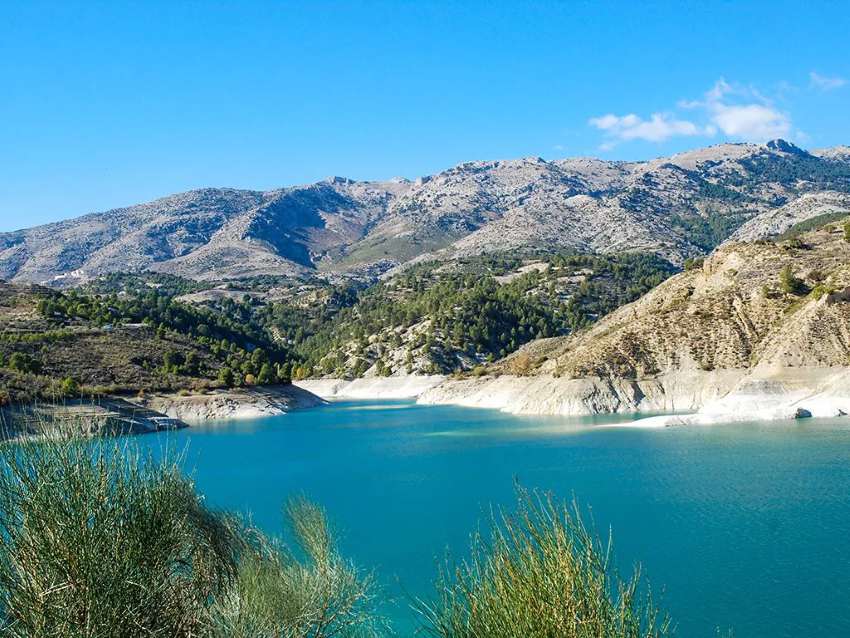
Nestled in the northernmost part of Granada province, Sierra de Castril Natural Park is a beautiful and relatively unknown area in southern Spain. Many visitors go to the famous Alhambra or the snow-covered peaks of the Sierra Nevada. In contrast, this remote park has stayed a peaceful haven, mostly untouched by large crowds. It provides a genuine experience for those wanting to avoid the hustle and bustle and enjoy nature’s pure beauty.
A Sanctuary of Natural Beauty
Sierra de Castril covers an impressive 12,696 hectares, forming part of the Betic mountain system. The landscape is characterised by towering peaks, deep gorges, and lush forests, creating a complex and diverse ecosystem. The Castril River, which meanders through the park, has carved its way through the rocky terrain over millennia, resulting in dramatic cliffs and ravines. This river system plays a crucial role in shaping the park’s varied habitats, ranging from dry scrublands to dense pine forests and cool, shaded riverbanks.
One of the park’s most notable features is its exceptional biodiversity. Its remote location has allowed the natural environment to thrive undisturbed, and it is home to a range of species that are rare in other parts of Spain. As a result, Sierra de Castril is considered a vital ecological corridor that links several other protected areas in southern Spain, such as the Cazorla, Segura, and Las Villas Natural Park. The park’s variety of habitats supports a wide range of flora and fauna, making it an invaluable site for conservation efforts.
A Haven for Birdwatchers
Sierra de Castril is particularly renowned for its birdlife. The park’s rugged cliffs and soaring peaks create an ideal habitat for numerous bird species, including griffon vultures, golden eagles, and red kites. Birdwatchers flock to the park to observe these majestic raptors gliding effortlessly above the cliffs, their keen eyes scanning the land for prey. The park is also an important breeding ground for these species, contributing to the preservation of their populations.
In 2024, the park gained international attention with the birth of Spain’s first wild-born bearded vulture since the 1980s. This remarkable event was a testament to the park’s importance in avian conservation. The chick, affectionately known as Castrileña, was closely monitored by scientists, and its GPS tracking revealed remarkable migration journeys as far as the Picos de Europa. The bearded vulture, once on the brink of extinction, has made a successful comeback in the park thanks to years of conservation efforts. Observing these magnificent creatures from the park’s modern observatory at 1,935 metres above sea level is an unforgettable experience for visitors who are lucky enough to witness it.
A Subterranean Wonderland
While the birdlife and landscapes above ground are awe-inspiring, the park’s underground features are equally fascinating. Since 2011, researchers have been exploring a submerged cave system located near the source of the Castril River. These caves, which had remained largely unexplored, have revealed remarkable geological formations and hidden ecosystems. In February 2025, the deepest point of the cave was reached at an astonishing 140.5 metres, making it the deepest underwater cave in Spain. The exploration of these caves, using advanced diving techniques and drones, continues to shed light on the mysteries hidden beneath the park’s surface. These discoveries emphasise the immense potential for scientific research in Sierra de Castril, much of which remains to be uncovered.
Flora and Endemic Species
Sierra de Castril is also a treasure trove for botanists. The park’s unique calcareous soils, formed from the ancient limestone rock, support the growth of rare and endemic plant species. In 2024, a new species of plant was discovered in the park and named Castrila latens. This delicate and highly endangered plant grows only in a few small calcareous areas within the park, further solidifying Sierra de Castril’s global importance for biodiversity. The presence of such rare species highlights the park’s ecological value and the need to protect it for future generations.
Hiking and Adventure Activities
Despite its remote location, Sierra de Castril is accessible to outdoor enthusiasts who wish to explore its rugged terrain. The park offers a range of carefully designed trails for hikers and cyclists, allowing visitors to experience its beauty without disturbing the delicate environment. One of the most popular hiking routes is the Fátima–Los Arenales path, which takes trekkers past abandoned quarries and provides sweeping views of the surrounding landscape. Along the way, hikers may spot Egyptian vulture colonies nesting in the cliffs, a sight that adds to the park’s charm.
Cyclists will enjoy the Castril–El Corralón trail, which winds through dense pine forests and ravines, offering a challenging ride amidst spectacular scenery. For thrill-seekers, the park is home to six ravines, which are ideal for canyoning. This exciting activity allows adventurers to explore the park’s deep gorges and crystal-clear rivers in a unique and exhilarating way. With over 50 caves to explore, the park is a haven for caving enthusiasts, offering a range of underground adventures that can be tailored to different experience levels.
Sustainable Tourism in Sierra de Castril
Sierra de Castril is a prime example of how nature conservation and sustainable tourism can go hand in hand. Unlike other tourist hotspots in Spain, the park has avoided overdevelopment and the pressures of mass tourism. There are no sprawling hotels or large-scale resorts; instead, visitors can experience the park’s wild beauty in a more intimate and respectful way. The lack of commercial development ensures that the natural environment remains pristine, allowing travellers to connect with nature in a way that is increasingly rare in the modern world.
For those looking to stay nearby, the village of Castril provides a charming base for exploring the park. This small town, perched on the southern edge of the park, offers a mix of traditional Andalusian architecture and local hospitality. Visitors can enjoy delicious local cuisine, including fresh river fish and cured meats, before venturing into the park for a day of hiking, birdwatching, or caving.
A Must-Visit for Nature Lovers
Sierra de Castril Natural Park is a hidden gem. It offers a rare chance to experience the wild heart of southern Spain. Its remote location, impressive biodiversity, and focus on conservation make it a valuable spot for nature lovers, hikers, and adventurers. You can explore the towering cliffs, watch the majestic vultures, or dive into a submerged cave. Sierra de Castril provides a unique and unforgettable experience. For travellers seeking an authentic, eco-friendly escape, this park shows that some of Spain’s greatest treasures are best left untouched. It’s important to preserve them for future generations.
[Image Source: Visit Andalucía Official Website]
