
A group which is involved in investigating Moscow’s war crimes in Ukraine has told Newsweek a plan by Russia to withdraw from a European treaty on torture was “profoundly disturbing.”
Vladimir Putin submitted a draft bill to Russia’s parliament (State Duma) denouncing the European Convention on the Prevention of Torture (CPT Convention), which obliges members to prevent torture in territories under their jurisdiction, U.S.-funded Radio Liberty reported.
Last month, Prime Minister Mikhail Mishustin signed a resolution proposing the withdrawal, which had awaited Putin’s submission to the Duma and raised concerns about what it would mean for the thousands of Ukrainian prisoners being held by Russia.
Jeremy Pizzi, legal adviser at Global Rights Compliance, which is helping Kyiv compile evidence of Russian war crimes in Ukraine, told Newsweek on Monday that the move was Moscow’s latest effort to prevent all access to prisoners by independent observers.
Newsweek has contacted the Kremlin for comment.
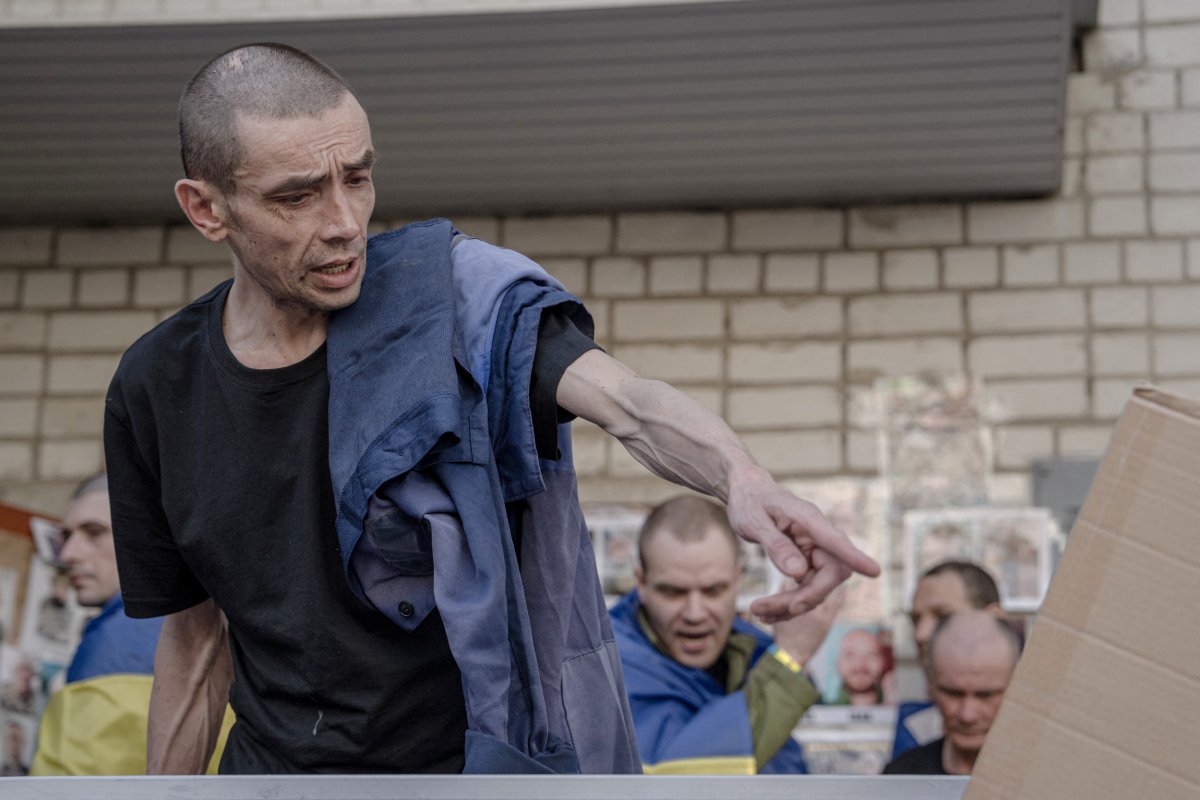
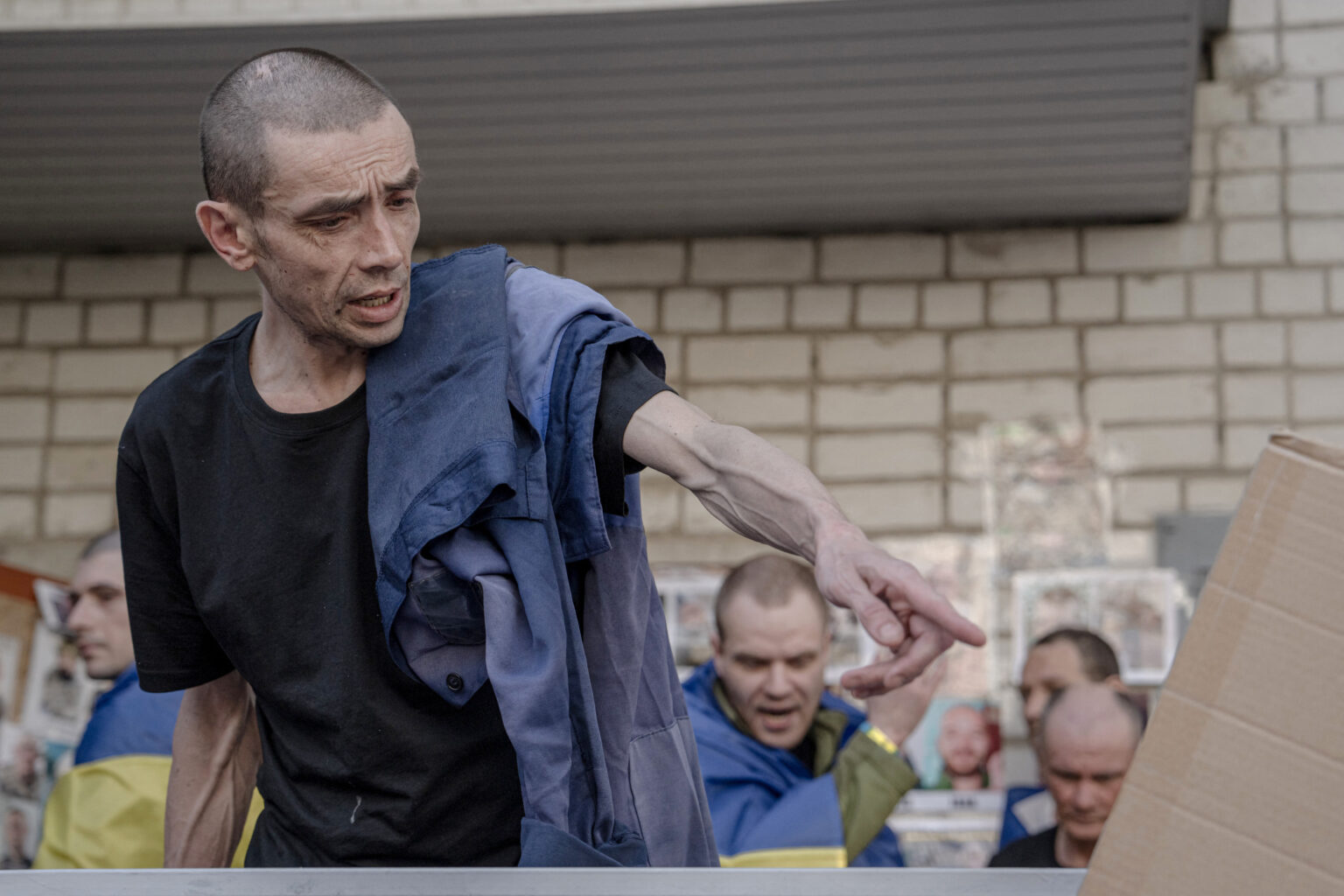
A freed Ukrainian prisoner gestures toward portraits of missing or captured servicemen in the Chernihiv region after a prisoner exchange with Russia on June 10, 2025.
A freed Ukrainian prisoner gestures toward portraits of missing or captured servicemen in the Chernihiv region after a prisoner exchange with Russia on June 10, 2025.
ANDREW KRAVCHENKO/Getty Images
Why It Matters
Pizzi said the move to exit the European treaty raised concerns that Moscow could be seeking to conceal further serious misconduct from the world.
According to Ukrainian outlet Ukrainska Pravda, Kyiv says Moscow holds at least 2,500 Ukrainian prisoners of war and those released have described appalling conditions in which they were held and the torture that they endured.
What To Know
Russia signed the CPT Convention in 1996, and it came into force in the country two years later. The treaty aims to prevent mistreatment and gave the European Committee for the Prevention of Torture the legal authority to inspect Russian detention facilities.
But Russia’s prime minister, Mikhail Mishustin, signed a decree proposed by the Cabinet on August 25 to withdraw from the convention, and Putin has now submitted this to the Duma, which is likely to rubber stamp it.
Andrey Lugovoi, deputy chairman of the State Duma’s security committee, said Moscow’s withdrawal from the convention would be a formality, as Russia had already withdrawn from the Council of Europe.
An explanatory note to the bill said that Russia has had no representative in the European Committee of the Council of Europe since 2023, with the country blocked from the body following its aggression in Ukraine.
The Institute for the Study of War (ISW) said on August 26 that the withdrawal would be in line with Russian measures likely aimed at worsening abuses of Ukrainian prisoners in Russia and occupied Ukraine.
This included a decree by Putin on July 23 authorizing the creation of autonomous Federal Security Service (FSB) pre-trial detention facilities.
Pizzi said the withdrawal was Russia’s latest effort to prevent all access to detainees by independent international observers, although despite this, the use of torture by Russian officials towards Ukrainian civilians and prisoners of war is extremely well documented.
It was also another indicator of Russia’s use of torture as state policy and was a “disgraceful attempt to normalize abhorrent behavior that is emphatically prohibited under international law,” Pizzi added.
What People Are Saying
Jeremy Pizzi, legal adviser at Global Rights Compliance, told Newsweek: “Despite ongoing limitations, widespread and systematic use of torture by Russian officials towards Ukrainian civilians and prisoners of war is extremely well documented.
“So it is profoundly disturbing to see that Russia feels it has even more horrendous behavior to hide from the world.”
The Institute for the Study of War (ISW) said on August 26: “The proposed withdrawal would be in line with recent Russian measures likely aimed at worsening Russian abuses of Ukrainian prisoners in Russia and occupied Ukraine.”
What Happens Next
The Duma is expected to rubber stamp the withdrawal which will add to the dismantling of European human rights monitoring inside the country. This will raise concerns about prisoners in Russia facing further torture and repressions without scrutiny.