
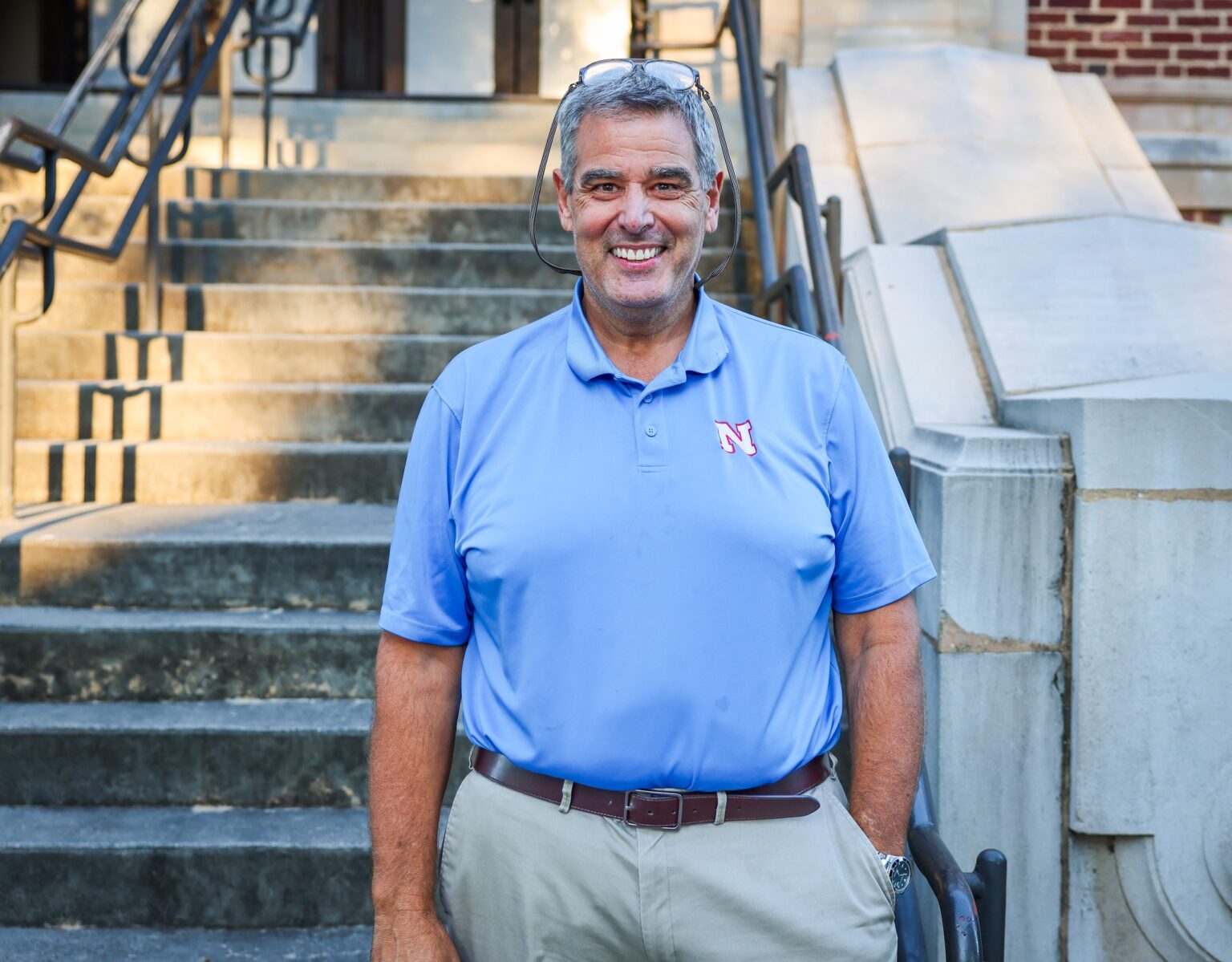
North Stanly instructor reflects on educational trip to the Netherlands
Published 1:08 pm Monday, September 8, 2025
ALBEMARLE — At Tuesday night’s Stanly County Board of Education meeting, North Stanly High School instructor Ron George shared insights from a professional development trip he took to the Netherlands between June 17-28.
George, the 2023-24 Stanly County Schools Teacher of the Year for his work teaching civics, traveled as the district’s representative on a program funded by the Hayes Charitable Trust.
His trip was organized through Go Global NC, a nonprofit that connects North Carolina educators with international learning experiences so they can study education systems abroad.
On Tuesday, George told the school board that his recent experience offered valuable comparisons between Dutch schools — all funded by the Netherlands’ Ministry of Education, Culture and Science — and their American counterparts.
According to international rankings, the Netherlands places third worldwide in education, compared to 31st for the United States.
“This was one of the truly most amazing professional development opportunities of my life,” George said. “I assure you there are some things they do well, but I can also assure you there are lots of things we do well. One of the comments from someone from the Ministry of Education was that they are now starting to travel to the United States to see what we’re doing because of some of the issues that they have.”
George emphasized the autonomy of Dutch schools, which are funded by the government but run independently.
He noted they resemble American charter schools, with parents, teachers and administrators guiding operations rather than school boards or central offices. Funding is not linked to test scores, teacher pay is higher and schools set aside daily time for student mentoring.
While the Netherlands sets broad educational targets, individual schools decide curriculum, schedules, budgets and staffing. Teacher collaboration plays a central role, with subject-area educators meeting annually to determine what should be taught.
Students in the Netherlands also face high-stakes testing at age 12, which helps determine their path through secondary school; a final exam at the end of secondary education dictates university placement.
George found that Dutch schools do not provide lunch programs, sports teams or transportation. Instead, parents pack meals, students join private sports clubs and children often rely on bicycles or public transit to get to school.
“There are no school boards, there are no school districts, there is no central office,” George said. “Their schools are totally autonomous. They get state funding, and every school is funded, including religious schools. In fact, it would be a violation of their constitution if they didn’t fund private religious schools.”
He also noticed some common challenges between the two nations, including declining reading and math scores tied to student apathy, cellphone distractions and the lingering effects of COVID-19.
“I think people get a misconception of the Netherlands and America, where one’s good and one’s bad, this and that. But it’s very different,” said George, pointing out that public school transportation and meal programs are essentials that would be difficult for U.S. schools to do without.
“They have their system and they have their problems and their struggles, and we have different struggles here in Stanly County.”
The Stanly County Board of Education will hold its next regular meeting on Oct. 7 at 6:15 p.m. in the Gene McIntyre Meeting Room at Stanly County Commons.