
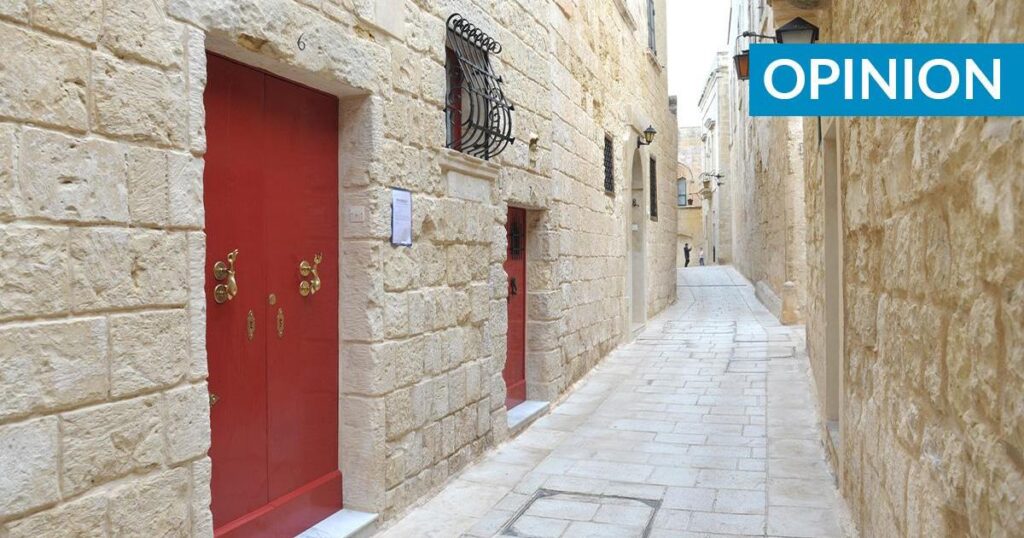
There are few places on earth where time seems to pause, where every stone tells a story and where silence itself feels sacred. Mdina, Malta’s first capital and the Città Notabile, is one such place. Perched atop a hill, it stands in quiet dignity, often overlooked amid modern development but never forgotten by those who walk its ancient streets.
As a new resident and, more importantly, the archpriest of the Metropolitan Cathedral of St Paul, I write from a place of deep pride and growing concern.
Mdina remains a breathtaking testament to Malta’s ecclesiastical and architectural heritage. My love for this city began in childhood, running freely with our bicycles through its traffic-free streets.
Then, much later, as a seminarian, I found peace during quiet evening walks when the last tourists had gone and the city exhaled in stillness. That same serenity continues to draw pilgrims, families and locals. Yet, beneath its tranquil surface, I somehow feel that, to a certain degree, Mdina is suffering.
The main gate, Mdina’s iconic entrance, immortalised in photographs and television series, is showing clear signs of decay. Designed in 1724 by Charles François de Mondion, this majestic threshold to Malta’s past now stands weathered and worn. Erosion has set in and, as far as I am aware, no meaningful restoration has begun. The local council recently restored the wooden door of the entrance.
My concern is not just about preserving beauty. When heritage structures deteriorate, so does the soul of the place. These stones carry centuries of our identity and losing them means losing part of ourselves.
The Metropolitan Cathedral of St Paul is Mdina’s spiritual and architectural heart. Built between 1696 and 1705 by Lorenzo Gafà, the cathedral is one of Malta’s most important religious monuments. Today, its once-glorious façade is cracked at various points and weathered. Promised funding for repairs has failed to materialise, leaving this sacred space in a constant cry for care.
As one may well imagine, the three sides of the cathedral are quite extensive in size and workmanship. This is no plea for cosmetic improvements; it is a call to safeguard one of Malta’s most revered sites of worship and national pride. Every visitor who stands in awe before its baroque beauty feels its significance. We must act to preserve it.
Mdina is often called the ‘Silent City’ but its silence should not be mistaken for neglect. Even its night-time ambiance, the warm glow that once bathed its stone façades, is dimming in some areas. The city’s lighting is outdated in part, insufficient and, in some areas, no longer functioning as it should.
A city like Mdina, known for its calm and mystery, deserves thoughtful illumination that highlights rather than hides its charm. Proper lighting is essential not just for aesthetics but for safety, atmosphere and respect.
Despite its national importance, Mdina is treated like any other local council in terms of funding, which is based solely on population. With around 200 residents, Mdina receives only a fraction of the resources it needs, despite hosting thousands of visitors daily and managing the wear and tear of cultural tourism. I am aware that the local council does its utmost with the limited resources it has to upkeep the walled city in the best condition possible.
This government-funding formula I feel fails to account for the city’s historical and symbolic weight. Mdina is not merely a town, it is a national treasure. Its ongoing maintenance should reflect that role.
To allow Mdina to decline is to allow part of Malta’s soul to disappear
This is a call to action. We need a coordinated, expert-led and properly funded restoration strategy that addresses the most urgent needs:
• The Main Gate, which welcomes the world to Malta’s historic soul.
• The cathedral façades, the spiritual beacon of our city.
• Other palazzi and chapels, many untouched for decades.
• Street and façade lighting, which shapes the city’s nighttime beauty and safety.
Heritage Malta, the Superintendence of Cultural Heritage and relevant government agencies must prioritise Mdina. Delay risks irreversible loss not just of stone but of spirit.
Despite these challenges, Mdina remains breathtaking. Its winding alleys still offer peace. Its bastions still reveal expansive views of countryside and coast. Its silence still comforts even the most hurried heart. Even in summer’s heat, a cooling breeze blesses this city, a grace not easily found or replicated. These gifts cannot be recreated. They can only be protected.
Visitors often stop and pause under a lantern-lit archway, captivated by a moment of stillness, a centuries-old doorway, or the knock of history on a Maltese door. These moments reveal the power of beauty. But beauty, like faith, must be nurtured.
Mdina is more than monuments. It is a living city, a home to families, clergy, artisans and workers. It hosts schoolchildren, curious tourists and locals escaping the chaos of modern life.
All of us, residents, pilgrims, visitors, are stakeholders in its preservation. To allow Mdina to decline is to allow part of Malta’s soul to disappear. That cannot happen on our watch.
I feel it my duty to speak up, not with criticism but with conviction. Let us not remain silent while the Silent City calls out for help. Let Mdina’s silence be the inspiration for our voices. Let us act not only to admire this jewel but to preserve it, for ourselves and for future generations.
Let the next child, tourist, or pilgrim who walks through Mdina’s gate find what we have found: beauty, peace and a deep sense of place.
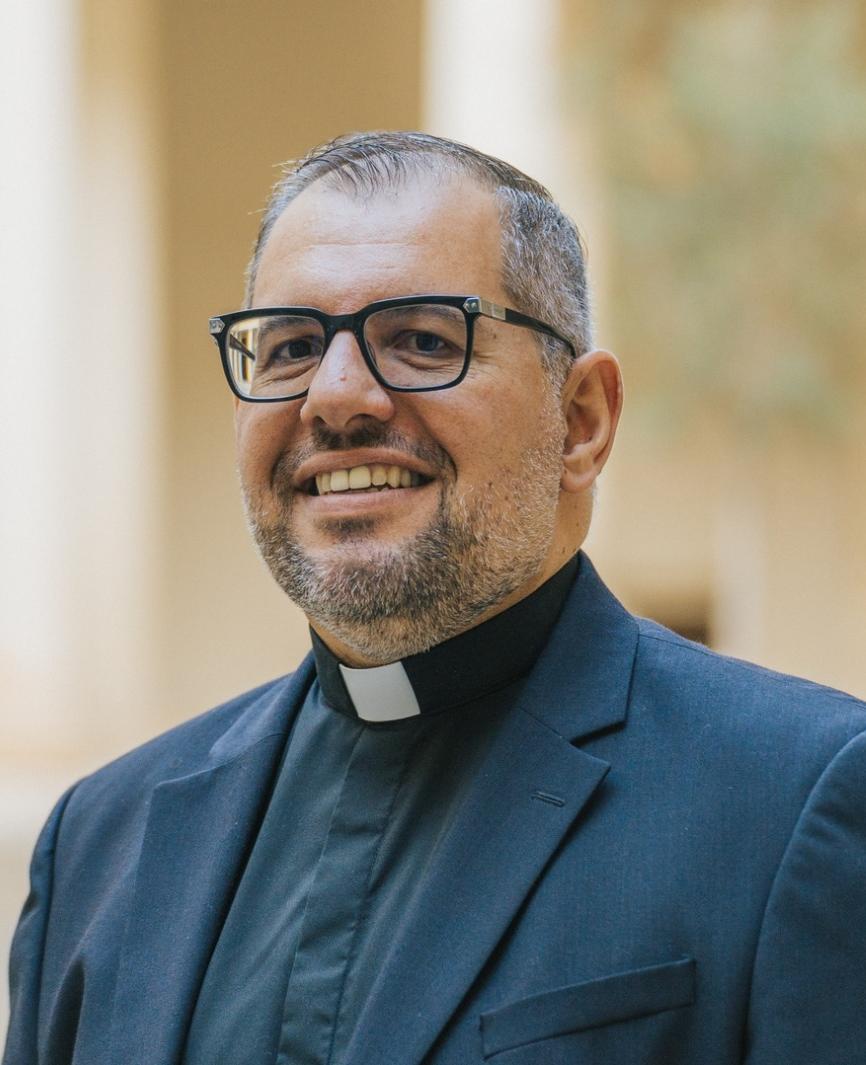
Rev. Mgr Claude Portelli is the Archbishop’s Delegate for Culture, archpriest of the Mdina Metropolitan Cathedral and director of the Catholic Institute.