
Author Bio
Nicholas Vincent is a passionate environmentalist and freelance writer with a background in environmental studies….
Nicholas Vincent is a passionate environmentalist and freelance writer with a background in environmental studies. He is deeply committed to promoting sustainability and finding solutions to the most pressing environmental challenges of our time. In his free time, Nicholas enjoys the great outdoors and can often be found mountaineering and climbing in some of the most beautiful and remote locations around the world. Through his writing and outdoor pursuits, Nicholas hopes to inspire others to connect with and protect the natural world. Read more about Nicholas Vincent
Read More
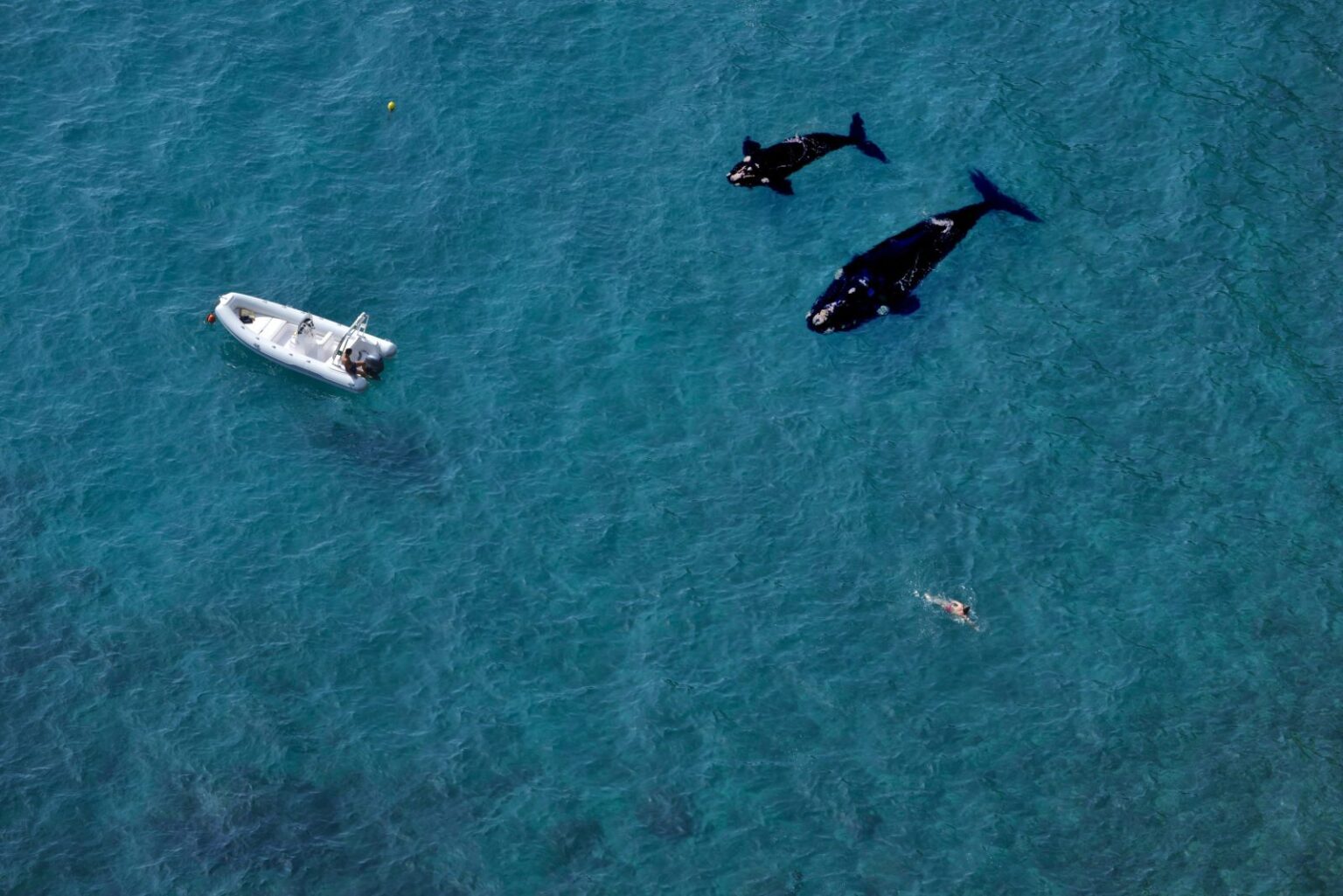
Off the coast of Galicia, Spain, Iberian orcas have been ramming boats again—but scientists say it’s not aggression. According to National Geographic, experts believe the whales have developed a learned cultural behavior, essentially turning rudder-bashing into a game passed down to younger pod members.
Since 2020, the pod—made up of about 40 orcas—has been involved in hundreds of encounters with vessels, sometimes disabling or even sinking boats. Despite the damage, no humans have been injured, and researchers stress that if the orcas wanted to sink ships, they easily could. Instead, they seem focused on breaking rudders, a behavior that senior scientist Naomi Rose of the Animal Welfare Institute describes as playful rather than hostile.
The animals are highly intelligent and known for developing unique cultural traditions, from hunting techniques to quirky fads like wearing salmon as “hats.” With the ramming still ongoing in 2025, researchers worry the behavior has become a lasting cultural trait for this critically endangered group.
While unsettling for mariners, scientists emphasize that retaliation is not the answer. Some crews have resorted to harmful tactics like throwing firecrackers, but such measures are both cruel and counterproductive. The International Whaling Commission has advised against aggression, recommending instead that boats remain calm, quiet, and attempt to move away. Spain’s Ministry of the Environment is even exploring modifications to rudder designs to deter orcas safely, alongside real-time tracking systems to help vessels avoid encounters.
Ultimately, these interactions highlight a bigger truth: the ocean is the orcas’ home, not ours. As Rose puts it, “We’re in their living room. We are the guests.” Respecting these remarkable animals and adapting human behavior is essential to protecting them and preserving balance in shared waters.
Video Source: Everything Explained/Youtube
Sign These Petitions!
Please sign our latest and most urgent petitions to help the planet. Every signature counts!
Related Content:
Easy Ways to Help the Planet:
- Eat Less Meat: Download Food Monster, the largest plant-based Recipe app on the App Store, to help reduce your environmental footprint, save animals and get healthy. You can also buy a hard or soft copy of our favorite vegan cookbooks.
- Adopt-a-Pet: Visit WildWatchers, a watchdog platform specifically designed for animal, earth, and wildlife warriors to actively give back, rescue, and protect animals and the planet.
- Reduce Your Fast Fashion Footprint: Stand against fast fashion Pollution by supporting circular brands like Tiny Rescue, which create cause-based collections using recycled, zero-waste clothing designed to be returned and remade, ensuring it never ends up in a landfill.
- Shop Sustainably for Your Home: Visit SustaiNOBLE.org, an eco-friendly and ethically sourced home decor store that will empower your home with luxurious fair-trade, and sustainable products made by global artisans.
- Support Independent Media: Being publicly funded gives us a greater chance to continue providing you with high-quality content. Please consider supporting us by donating!
- Sign a Petition: Your voice matters! Help turn petitions into victories by signing the latest list of must-sign petitions to help people, animals, and the planet.
- Stay Informed: Keep up with the latest news and important stories involving animals, the environment, sustainable living, food, health, and human interest topics by subscribing to our newsletter!
- Do What You Can: Reduce waste, plant trees, eat local, travel responsibly, reuse stuff, say no to single-use plastics, recycle, vote smart, switch to cold water laundry, divest from fossil fuels, save water, shop wisely, Donate if you can, grow your food, volunteer, conserve energy, compost, and don’t forget about the microplastics and microbeads lurking in common household and personal care products!