
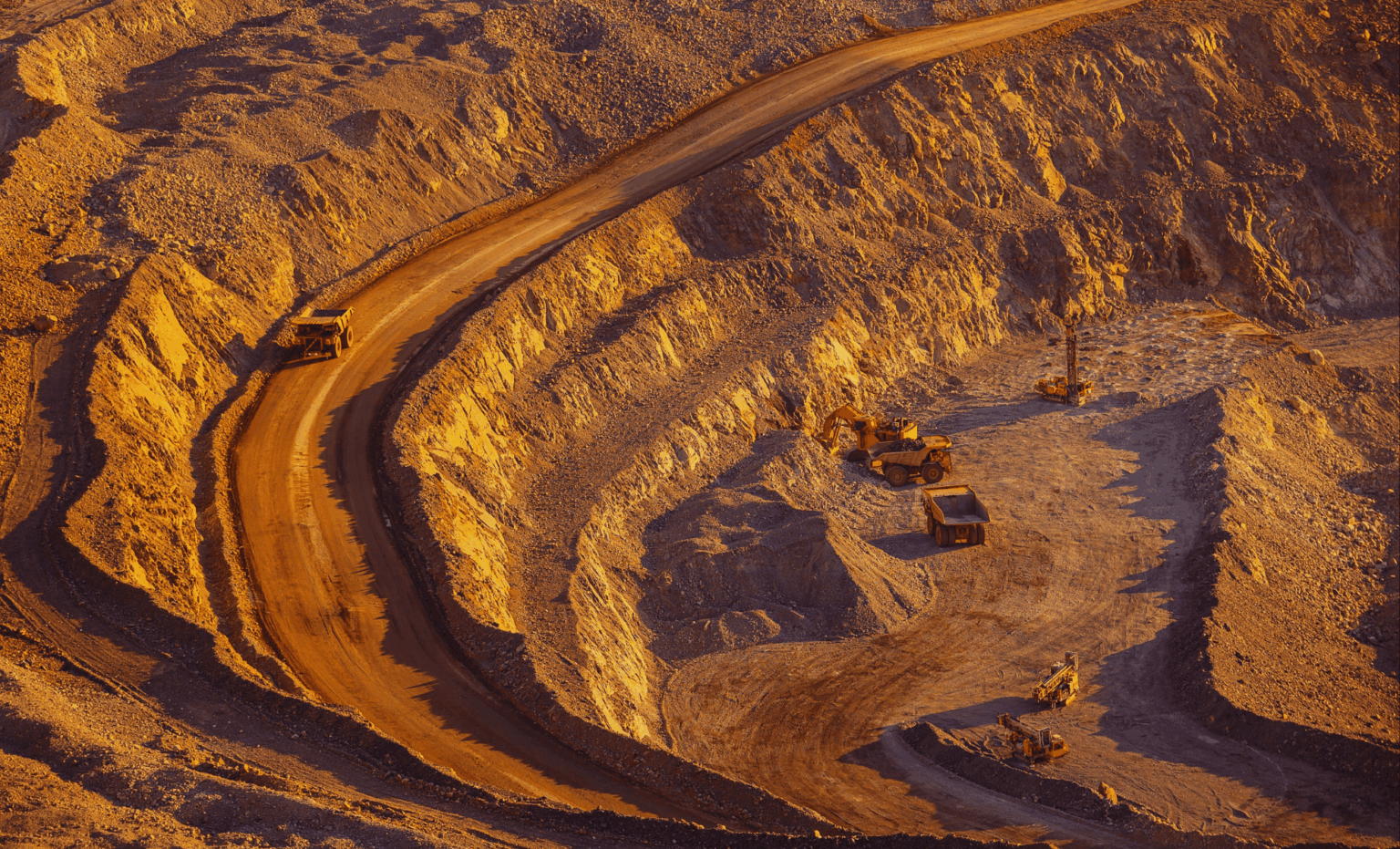
Serbia has made a significant discovery of copper and gold deposits in the Timok district, specifically in the Malka Golaja area. This breakthrough, revealed through exploratory work by Zijin Mining, has attracted global attention and is expected to influence the global copper and gold markets. The discovery, detailed in Geologia Croatica, highlights Serbia’s growing mining potential and its role in addressing future industry demands.
The Discovery: A Breakthrough in Timok’s Mining History
The Malka Golaja site, located within the renowned Timok district, is gaining attention for its substantial copper and gold deposits. The Timok region itself is already a hotspot for mineral resources, with a long-standing tradition of mining dating back centuries. The new discovery sits within this historic mining district and promises to further bolster Serbia’s position in the global mining industry.
The geological significance of this find cannot be overstated. The Timok district lies within a metallogenic belt, where repeated episodes of heat and fluid movement through fractures and intrusions have concentrated metals such as copper and gold. This geological setting is what allows for both large, lower-grade copper systems and more concentrated, high-grade zones of precious metals. According to Zijin Mining Group’s report, “The cumulative identified copper resources amounted to 2.81 million tons with an average grade of 1.87%, and gold resources of 92 tons with an average grade of 0.61 g/t.”
The potential for this discovery is considerable, especially given the scale and grade of the materials identified. As a large deposit, a copper grade of 1.87% is quite high, which indicates that the resource could be of significant economic value. In addition, gold deposits with an average grade of 0.61 grams per ton may seem modest on their own, but the combination of both copper and gold in the same deposit makes this discovery a noteworthy one for future mining efforts.
What the Numbers Mean: A Deeper Look Into the Resources
Understanding the potential of the Malka Golaja deposit requires a closer examination of the geological data provided. While the numbers shared by Zijin Mining are promising, it’s important to note that these represent resources rather than reserves. This distinction is critical in the mining industry. Resources refer to estimated quantities of mineral materials, but they are not yet proven to be economically viable for extraction. Reserves, on the other hand, are quantities of minerals that have been demonstrated through additional studies and economic assessments to be extractable under current market conditions.
“The cumulative identified copper resources amounted to 2.81 million tons with an average grade of 1.87%, and gold resources of 92 tons with an average grade of 0.61 g/t,” stated Zijin Mining Group in their 2024 annual results announcement. These figures show promise, but they are only part of the picture. As the exploration progresses and more drilling is completed, it is likely that the resource estimates will evolve, potentially increasing the total available quantities of copper and gold.
The Timok Geology: What Makes This Region So Special
The Timok district’s geological structure plays a crucial role in the formation of valuable mineral deposits. Known for its metallogenic belt, the area has undergone extensive geological processes over millions of years, creating a setting ripe for mineralization. The Timok magmatic complex, where the new discovery is situated, is particularly noteworthy for its variety of mineralization styles.
At depth, the region hosts porphyry copper systems, which are known for large, lower-grade deposits of copper. Above these systems, high sulfidation zones exist, where hot acidic fluids have concentrated both copper and gold in more compact forms. This geological mix explains why the Timok region can host both bulk tonnage deposits as well as high-grade zones that can be mined for precious metals.
With both porphyry copper and high sulfidation ore systems present, the Malka Golaja discovery stands to offer both large-scale copper mining potential and higher-value gold extraction opportunities. This dual-metal presence adds an extra layer of interest for investors and mining companies alike, making the Timok region one of the most promising areas for future mining development.
Market Implications: How This Discovery Affects the Global Copper and Gold Markets
The discovery of such a significant copper and gold deposit in Timok has the potential to make waves in the global commodities markets. Copper is a critical component in industries such as electric vehicles, renewable energy, and data centers. As demand for copper continues to rise, particularly with the global shift toward sustainable energy, new sources of high-quality copper are in high demand.
Gold, though often seen as a store of value, also plays a significant role in various industries, including electronics and finance. The fact that both copper and gold are present in the same deposit could provide a cost-effective opportunity for future mining operations. While it may take years for mining operations to ramp up, early announcements like this one help to inform market players about potential supply shifts, which could affect prices and global production strategies.