
Published on
September 13, 2025
By: Tuhin Sarkar

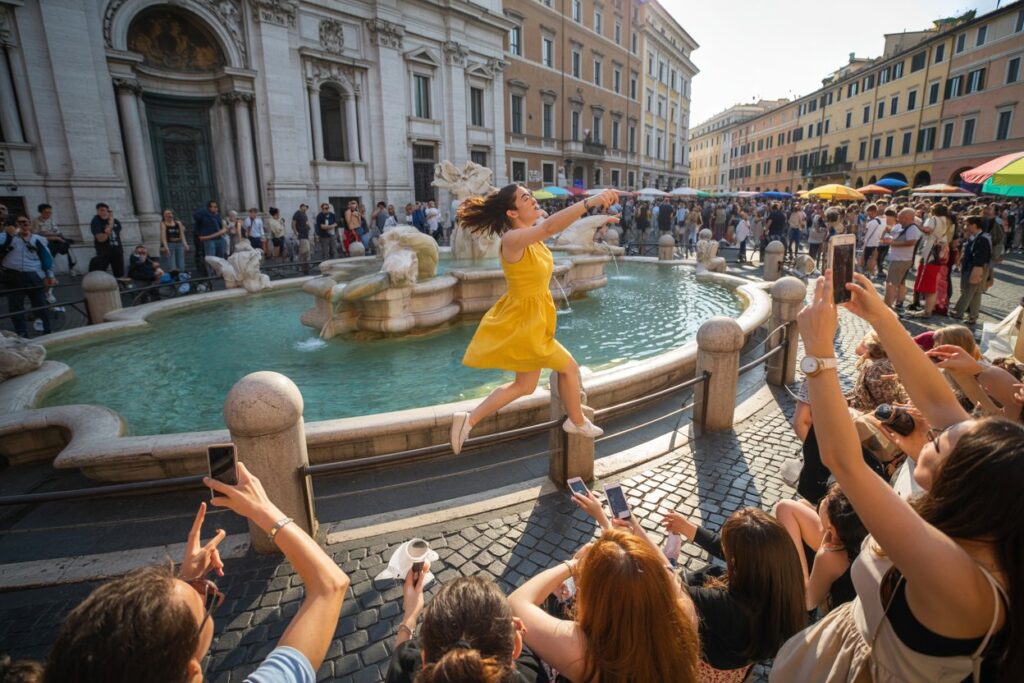
Peru has now joined the ranks of Japan, Mexico, and Spain, where Instagram, YouTube, TikTok, and Facebook viral reel videos are transforming the world’s most iconic destinations. These platforms have given once-hidden gems unprecedented exposure, resulting in overwhelming crowds and environmental strain.
The stunning beauty of places like Machu Picchu, Bali, and Venice was once a secret shared among a few. Now, thanks to viral videos and viral reels, these destinations are on every traveller’s bucket list – and that’s causing serious problems. Overcrowding, environmental degradation, and a loss of local culture are just a few of the issues these iconic spots now face. As the digital world continues to influence travel, it raises the question: is your bucket list destination the next victim? Keep reading to see how viral trends are reshaping travel and the future of the places you dream of visiting.
Social media platforms like Instagram, TikTok, and YouTube have radically transformed how we travel. They have turned once-hidden gems into global hotspots, often leading to the overcrowding of iconic destinations. Today, a single viral post can send thousands of visitors flocking to a location, sometimes causing significant damage to both the environment and the local community. This article explores the powerful influence of social media on travel, focusing on destinations overwhelmed by tourists, the consequences of this overcrowding, and how destinations are responding to this phenomenon.
Spain: Overcrowding in Venice and the Balearic IslandsVenice, Italy: A City Overrun by Day-Trippers
Venice is one of the most iconic cities in the world, known for its romantic canals, historical buildings, and artistic heritage. However, Venice has also become one of the most overcrowded cities, largely due to social media exposure and cruise tourism. Despite having a population of just under 50,000, the city welcomes up to 85,000 tourists each day. This massive influx is not just from traditional tourists but also from day-trippers who come on cruises and through social media recommendations.
Instagram and TikTok have made Venice’s famous landmarks like Piazza San Marco and the Rialto Bridge some of the most photographed spots globally. Unfortunately, this has led to serious congestion, with visitors often crowding narrow streets and even disturbing the flow of local life. The damage to the environment and Venice’s unique historical architecture is now a growing concern. The city, once known for its tranquillity, has become overwhelmed by tourism. This situation highlights the pressing need to balance tourism with the preservation of cultural heritage.
Balearic Islands: The Instagram Effect on Mallorca and Ibiza
The Balearic Islands, particularly Mallorca and Ibiza, have also been transformed by social media exposure. Pictures of stunning beaches, crystal-clear waters, and vibrant nightlife have made these islands particularly popular on platforms like Instagram. However, this exposure has led to overcrowding and environmental degradation. One example is the small beach of Caló des Moro in Mallorca, which became an Instagram sensation. What was once a quiet spot is now frequently packed with tourists trying to capture the perfect shot.
The environmental impact is significant, with concerns over waste, water usage, and the local ecosystem. Additionally, many residents of the islands are now protesting the influx of tourists, arguing that the overpopulation is ruining their communities. Local businesses and infrastructure are struggling to keep up with the demands of tourism, and the quality of life for locals is being affected. The Balearic Islands are now facing a difficult challenge in managing the balance between tourism and preservation.
Austria: Hallstatt, the Instagrammed Village
Hallstatt, a small village in Austria with a population of just 780, has become one of the most Instagrammed spots in the world. Known for its beautiful alpine setting and lakeside location, Hallstatt was once a hidden gem. However, in recent years, social media has turned this picturesque village into a tourist hotspot. On any given day, Hallstatt can see anywhere from 10,000 to 30,000 visitors, which is far more than the town’s capacity to handle.
The influx of tourists has overwhelmed the small village, which is struggling to maintain its charm and authenticity. Overcrowding has resulted in significant disruptions to daily life, and local businesses have had to adjust to cater to a growing number of visitors. The local government is now considering measures to limit the number of tourists, but it remains to be seen whether these measures will be enough to protect the village from further damage.
Greece: The Islands of Santorini and Mykonos
Santorini and Mykonos are two of Greece’s most popular islands and have both become victims of social media-driven tourism. These stunning islands are frequently featured on Instagram for their white-washed buildings, blue-domed churches, and breathtaking sunsets. As a result, millions of visitors flock to these islands each year. Santorini alone hosts approximately 5.5 million tourists annually, leading to severe overcrowding and strain on local infrastructure.
The local communities are struggling with rising living costs as more properties are converted into short-term vacation rentals to cater to tourists. This has led to a shortage of affordable housing for residents. In addition, the islands’ infrastructure – including roads, water, and waste management systems – is under extreme pressure. While tourism is an essential source of income for the islands, the overcrowding is causing serious concern among locals and environmentalists. The islands’ natural beauty is also at risk, with overcrowding threatening to damage the fragile ecosystems.
Peru: The Sacred Valley and Machu Picchu
Machu Picchu is one of the most famous archaeological sites in the world, and its popularity has exploded thanks to social media. Despite efforts to preserve the site, Machu Picchu faces the pressures of overtourism. UNESCO recommends limiting the number of visitors to 5,000 per day to help protect the site, but the number of tourists continues to rise. Tourists flock to the site after seeing breathtaking photos and videos shared by influencers and travellers on platforms like Instagram and YouTube.
The influx of visitors has placed a strain on local communities, with the Sacred Valley, which is the gateway to Machu Picchu, also feeling the effects of mass tourism. The local government has been forced to implement measures like timed tickets to control the flow of tourists, but the pressure on the site and its surroundings continues to grow. If the trend continues, it could lead to irreversible damage to the site’s historical and cultural significance.
Italy: Sirmione and Cinque TerreSirmione: Overrun by Tourists
Sirmione, a charming lakeside town in northern Italy, has become increasingly popular due to its presence on social media. Famous for its medieval castle, ancient Roman ruins, and picturesque setting on Lake Garda, Sirmione has seen an influx of tourists, particularly in the summer months. During a single weekend, the town welcomed up to 75,000 tourists, which is far more than the town’s population of around 8,000.
The large number of visitors has led to traffic jams, overcrowded restaurants, and a lack of space to fully appreciate the town’s beauty. The local government is exploring ways to manage the number of tourists and preserve the town’s charm while continuing to welcome visitors.
Cinque Terre: Struggling with Overcrowding
Cinque Terre, a series of five picturesque fishing villages on the Ligurian coast of Italy, has also become overwhelmed by tourists. The stunning landscapes and colourful houses of the region have made it one of the most Instagrammable places in the world. However, the popularity of Cinque Terre has led to environmental degradation, with local authorities expressing concerns about overcrowding.
The narrow hiking trails, which connect the villages, are often packed with tourists, making it difficult for visitors to experience the natural beauty of the region. There have been discussions about limiting access to certain parts of the region in order to protect the environment and maintain the quality of life for the local community.
Hong Kong: Victoria Harbour and the Big Buddha
Hong Kong, known for its vibrant cityscape and mix of cultures, has also experienced overtourism due to social media. Areas like Victoria Harbour and the Big Buddha have become hotspots for tourists seeking the perfect Instagram shot. The overwhelming number of visitors has led to congestion, long wait times, and a strain on public resources. Despite its popularity, Hong Kong’s tourism industry is facing challenges as it seeks to balance the needs of visitors with the quality of life for residents.
France: The Impact of Instagram on Paris
Paris, the city of lights, is another popular destination that has been affected by social media exposure. Landmarks like the Eiffel Tower, the Louvre, and the narrow streets of Rue Charlot have become iconic photo opportunities, leading to long lines, overcrowding, and delays in local traffic. The rise in social media-driven tourism has led to frustration among locals, who are finding it harder to move around their own city.
Iceland: The Golden Circle and the Environmental Costs
Iceland’s Golden Circle – a popular tourist route that includes the Geysir geothermal area, Gullfoss waterfall, and Thingvellir National Park – has become a hotspot for tourists thanks to social media. The route’s popularity has led to overcrowding and environmental concerns, with increased traffic and waste production. Local authorities are calling for more sustainable tourism practices and are encouraging visitors to explore lesser-known areas of the country to reduce the pressure on the Golden Circle.
Thailand: Maya Bay and the Environmental Toll
Maya Bay, made famous by the movie The Beach, was once a serene and beautiful location in Thailand. After being featured on social media, the bay became one of the most visited tourist spots in the world. However, the environmental damage caused by the surge of visitors was so severe that the Thai government decided to close the bay to tourists in 2018. The closure was necessary to allow the ecosystem to recover and prevent further damage. The success of social media in promoting this destination highlights the potential for environmental harm when tourism is not properly managed.
Japan: Mount Fuji and the Overcrowding Issues
Mount Fuji, Japan’s tallest and most iconic mountain, has become a popular destination for tourists seeking the perfect Instagram photo. The allure of a perfect shot of the mountain has led to overcrowding, particularly during the climbing season. In response, authorities have installed barriers and improved safety measures to manage tourist behaviour and protect the mountain’s delicate environment.
Environmental and Cultural Consequences of Overcrowding
The rise in social media-driven tourism has had significant environmental and cultural consequences. Overcrowding in popular destinations is leading to environmental degradation. Natural sites, such as coral reefs, beaches, and hiking trails, are being damaged by the sheer number of tourists. In places like Bali, tourists often disregard local rules, leading to the destruction of ecosystems. Pollution is also a major issue, with waste piling up in once-pristine areas.
Culturally, the rapid influx of tourists is eroding the local identity of many destinations. In some places, traditional ways of life are being replaced by tourist-oriented businesses. In Bali, for example, the increase in tourists has led to a shift away from agriculture to cater to the demands of tourism, changing the island’s economic structure and even its cultural fabric. Local customs and traditions are often diluted as destinations prioritize the needs of visitors over those of the community.
Economic Impacts of Social Media Tourism
While tourism can be a vital source of income for local economies, the negative effects of overtourism cannot be ignored. In some regions, such as Venice and Santorini, the rapid rise in tourist numbers has led to increased living costs. As more properties are converted into short-term rentals, local residents are finding it harder to afford housing. Property prices have risen dramatically in popular tourist areas, and some locals have been forced to move away from their hometowns.
On the flip side, tourism does provide jobs and boosts local businesses. But when the number of visitors becomes unmanageable, it can cause overcrowding in restaurants, shops, and public transport, leading to a decline in service quality and frustration among both locals and tourists.
How Countries Are Responding to Overtourism
Countries and cities are now taking steps to manage overtourism. Some destinations have introduced visitor caps to limit the number of tourists allowed at a time. For example, the Peruvian government has set a limit on the number of visitors to Machu Picchu, restricting access to just 5,000 visitors a day to prevent further damage to the site.
Other destinations, like Bali, have introduced campaigns to promote responsible tourism. Local authorities have been encouraging visitors to reduce their environmental impact by minimizing waste and respecting local customs. Meanwhile, in Iceland, there has been a push to encourage tourists to visit less crowded areas outside the Golden Circle, easing the pressure on the most visited parts of the country.
The Role of Social Media in Managing Overcrowding
While social media has been a driving force behind overtourism, it also offers a way to address it. Influencers and content creators can help spread the message of sustainable tourism. Instead of promoting overcrowded hotspots, influencers can encourage their followers to explore less-visited destinations or promote practices that reduce their environmental footprint.
Instagram and TikTok are already taking steps to tackle overtourism. Instagram has introduced features that help users become more aware of the environmental impact of posting from popular locations. TikTok has partnered with organizations like the United Nations to raise awareness about sustainable travel and the importance of preserving local cultures and ecosystems.
The Future of Travel in the Age of Social Media
Social media has changed the way we travel, but this change also comes with challenges. As more and more destinations become overcrowded, it is vital that we find a balance between exploring new places and protecting those places for future generations. Sustainable tourism practices, responsible travel, and supporting lesser-known destinations will be key to managing the impact of overtourism.
In conclusion, social media has revolutionized the way we discover and experience the world. However, the surge in tourism driven by social media has resulted in significant overcrowding and environmental degradation in some of the world’s most iconic destinations. As travellers, it’s important that we recognize the responsibility that comes with exploring new places and doing so in a way that benefits both the local communities and the environment.
By making thoughtful choices, promoting sustainability, and using social media responsibly, we can ensure that travel remains a positive force for both the traveller and the destinations we visit.
The Future of Travel: Sustainable Tourism and Social Media Responsibility
As more destinations become overcrowded due to social media-driven tourism, it is crucial for both tourists and local authorities to take steps to ensure the preservation of these beautiful spots. Sustainable tourism practices, such as limiting visitor numbers, promoting off-season travel, and encouraging responsible social media content, will be key to protecting the future of these destinations. By finding a balance between tourism and preservation, we can ensure that future generations can enjoy the same experiences that have made these places so popular.
In conclusion, social media has reshaped the travel industry in ways that were previously unimaginable. While it has made travel more accessible and exciting, it has also led to significant challenges in terms of overcrowding, environmental degradation, and strain on local communities. It is up to all of us – as travellers, influencers, and local authorities – to use social media responsibly and ensure that the beauty of these destinations is preserved for years to come.
