
Recent protests in Nepal, led by the country’s Gen Z population against government corruption, have attracted global attention, including in Thailand. Thai nationals living, working, or travelling in Nepal—whether for business, tourism, or sports such as professional volleyball—are being advised to monitor the situation closely. Thai Airways announced the cancellation of flights between Bangkok and Kathmandu on September 9 and urged passengers to check travel updates before departure.
Nepal, a landlocked South Asian nation bordering the Himalayas, faces challenges in economic development due to its terrain. Tourism, however, remains a major draw, with natural landscapes and the Himalayan range attracting visitors worldwide. Tourism and related services contribute up to 55% of Nepal’s total revenue.
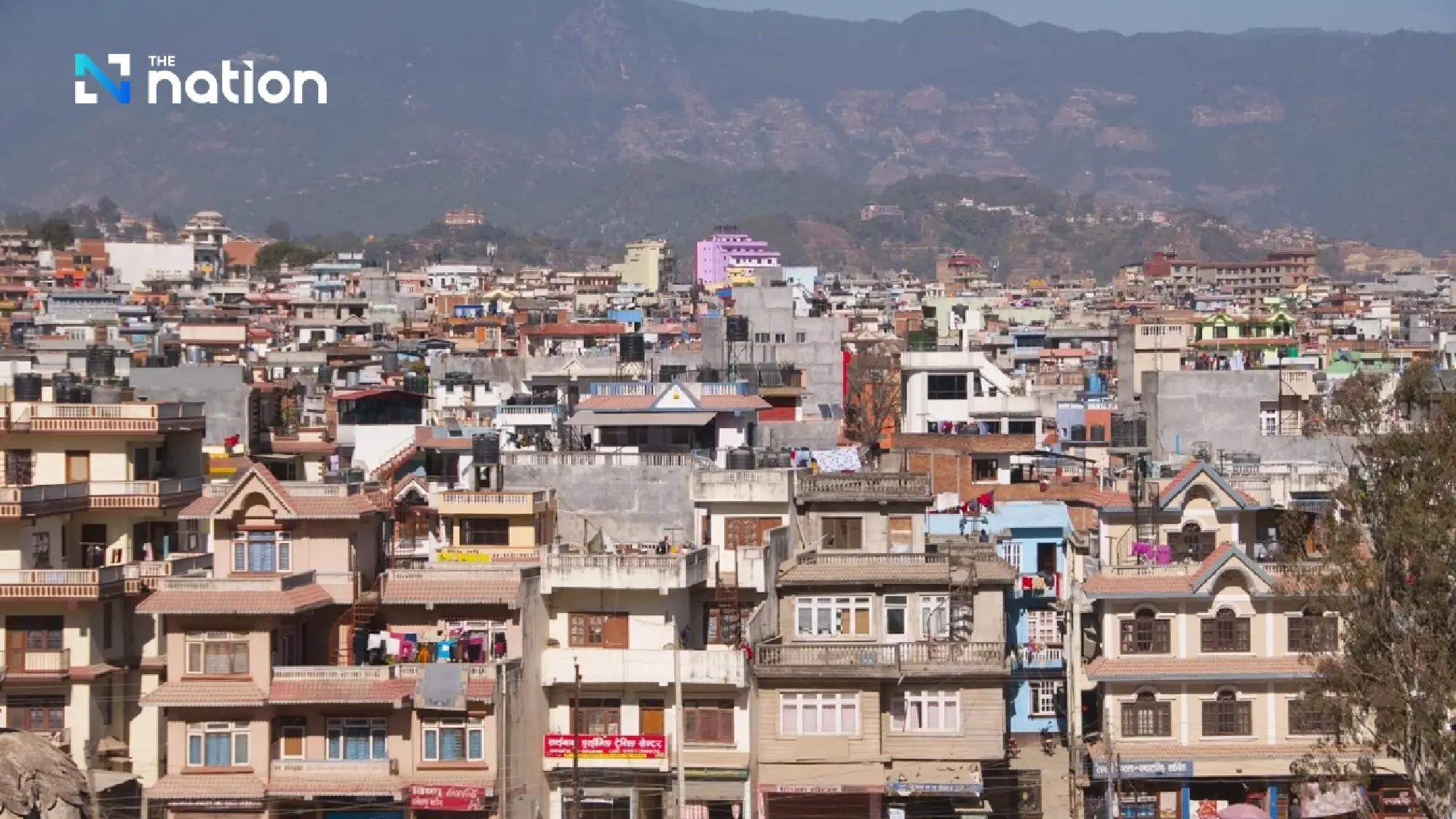
Agriculture—particularly rice, wheat, and maize—provides limited income, prompting many Nepalese to seek employment abroad.
According to Thailand’s Department of International Trade Promotion, annual trade between Thailand and Nepal averages under US$1 billion, with Thailand maintaining a trade surplus. Key Thai exports to Nepal include vehicles, machinery, chemicals, electrical equipment, and consumer goods. Imports from Nepal largely comprise carpets, woven fabrics, handicrafts, and natural products. Emerging sectors such as construction, renewable energy, and consumer goods offer investment opportunities.