
Published on
September 13, 2025

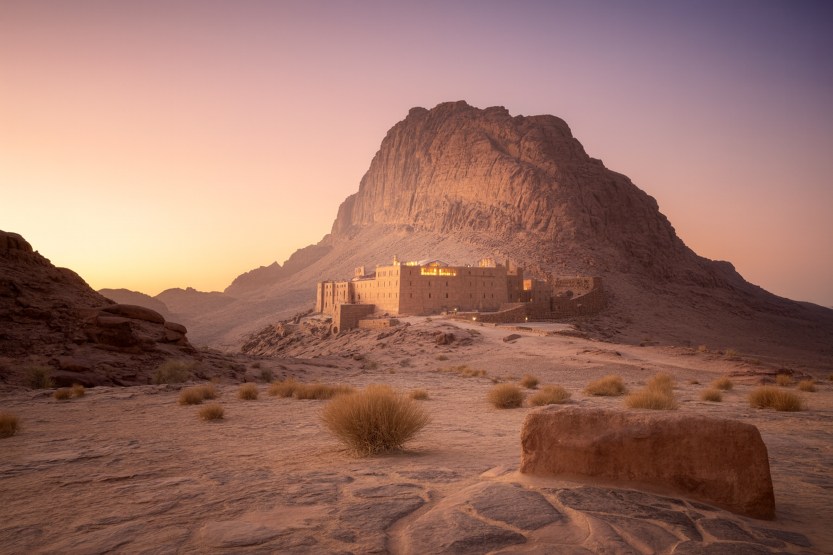
Mount Sinai, a revered and sacred site for Jews, Christians, and Muslims, is at the center of a growing debate as Egypt moves forward with plans to develop the area into a luxury resort. Locally known as Jabal Musa, the mountain is believed to be the location where Moses received the Ten Commandments and where God spoke to him through the burning bush. The region is also home to the ancient St Catherine’s Monastery, a significant symbol of shared religious heritage, managed by the Greek Orthodox Church.
Tourism vs. Tradition: The Rise of a Mega-Resort
For centuries, Mount Sinai has drawn pilgrims and visitors from around the world, who hike the rugged terrain with Bedouin guides to watch the sunrise and take in the stunning desert landscape. However, Egypt’s government has initiated plans to transform the area into a global luxury destination. These plans include the construction of hotels, shopping centers, villas, and infrastructure such as an airport and a cable car to the summit of the mountain. The government promotes the “Great Transfiguration Project” as a way to modernize the region, boost tourism, and create jobs.
While these developments are viewed as a means to stimulate Egypt’s tourism economy, they are raising serious concerns about the impact on the region’s natural beauty, local communities, and religious heritage. UNESCO, which designated Mount Sinai a World Heritage site, has voiced repeated concerns about the lack of a clear conservation plan that would ensure the area’s “outstanding universal value” is preserved. As construction continues, the area is being transformed from a serene pilgrimage site to a commercialized destination.
The Bedouin Community’s Struggles
At the heart of the debate are the local Bedouin tribes, particularly the Jebeleya people, who have historically been the custodians of Mount Sinai and St Catherine’s Monastery. The Jebeleya, who live in the surrounding desert and manage eco-tourism camps, have been directly affected by the rapid changes. Many of their homes and businesses have been demolished to make way for the new developments, with little to no compensation. Even local cemeteries have been disturbed in the name of progress.
The Bedouins’ objections to the project have been consistent, with many arguing that the development is being imposed on them without their consent and without regard for their traditional way of life. Critics argue that these developments will not only displace the Bedouin community but also strip the region of its cultural heritage. For many locals, the plans represent a top-down approach that serves the interests of external developers rather than the needs of the people who have long called Mount Sinai home.
A Clash of Cultures: Tensions with Greece
The Greek Orthodox Church, which has deep historical ties to St Catherine’s Monastery, has also expressed strong objections to the planned developments. The monastery, which dates back to the 6th century, is one of the oldest Christian sites in the world and holds significant cultural and spiritual importance. The Greek Orthodox Church has been alarmed by a recent ruling from an Egyptian court, which declared that the land on which the monastery stands belongs to the state. Although the monastery retains the right to use the land, Greek leaders fear that this decision could jeopardize the monastery’s future and threaten its centuries-old role as a center of spiritual and cultural heritage.
Tensions between Egypt and Greece have intensified as the development project progresses. The Greek Orthodox Church, along with other religious and cultural preservationists, has denounced the project as a threat to the integrity of one of Christianity’s most cherished landmarks.
Environmental Concerns: The Cost of Luxury Tourism
Environmental advocates are also raising alarms over the potential damage to the natural landscape. Mount Sinai, with its pristine desert environment, is a vital habitat for several rare plant and animal species. The construction of luxury resorts and infrastructure, such as hotels and airports, could irreversibly alter the region’s ecosystem. Critics worry that the introduction of mass tourism could result in environmental degradation, especially as the project involves significant changes to the area’s topography and ecosystem.
The introduction of a cable car to the summit of Mount Sinai is particularly controversial, as it could dramatically alter the way visitors experience the sacred mountain. While proponents argue that the cable car will make the site more accessible, others fear it will detract from the spiritual and natural significance of the mountain.
A Call for Preservation
As construction on the Great Transfiguration Project progresses, voices of dissent continue to grow. UNESCO, environmental groups, and cultural heritage organizations have called for a comprehensive conservation plan that balances development with the need to preserve the region’s cultural and natural integrity. Many fear that if the current trajectory of development continues, Mount Sinai will lose its spiritual and cultural significance for future generations.
The Jebeleya Bedouin tribe and other local communities have called on global leaders to intervene and help preserve the sacred heritage of Mount Sinai. Efforts are being made to secure funding and support for conservation initiatives that protect the mountain, the monastery, and the surrounding desert landscape. Advocacy groups have also sought to involve King Charles, patron of the St Catherine Foundation, to ensure that Mount Sinai remains a place of pilgrimage and cultural reverence.
A Crossroads of Tourism and Cultural Preservation
Mount Sinai, once a serene and spiritual site for pilgrims, now stands at a crossroads between modern tourism and the preservation of its rich cultural and religious heritage. As Egypt pushes forward with its luxury resort plans, the future of the mountain—and the communities that have long called it home—remains uncertain. The project raises important questions about the balance between economic development and cultural preservation, and how to protect the world’s most sacred sites from the forces of commercialism and environmental degradation.
