
Pniewo, Poland
—
At first glance, there’s nothing unusual about the countryside around the small Polish village of Pniewo. The landscape is typical of the Lubusz Voivodeship region: vast fields of yellow crops beneath big skies, broken only by the occasional patch of forest.
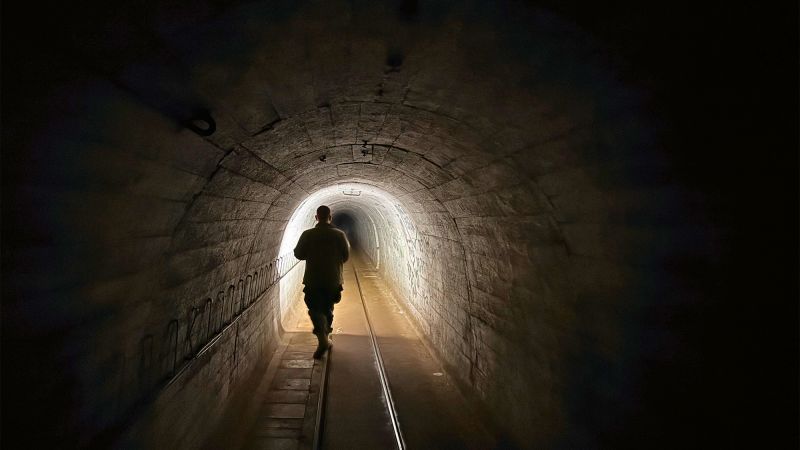
It looks serene, but hidden below is a darker story — a Nazi underground city.
Festungsfront Oder-Warthe-Bogen, or the Ostwall, is a fortified subterranean complex built before World War II as Adolf Hitler sought to secure Germany’s eastern frontier from Poland and the Soviet Union.
Between the Oder and Warta rivers, which today form part of the German-Polish border, the facility remains largely intact: a sprawling maze of tunnels, underground railway stations, combat facilities and massive shafts covering about 20 miles in length.
Today, visitors can descend into this largely forgotten feat of military engineering. The soldiers who once occupied the bunkers are long gone, as are partygoers in the 1980s and ’90s who left graffitied reminders of their revelry. But the complex has new residents.
After the Nazis abandoned the site in 1945, bats discovered the tunnels, finding them ideal for hibernation. As many as 40,000 arrive annually from across Central Europe each fall, making it one of Europe’s largest bat colonies.
The Ostwall’s story began in the 1930s, when Hitler, firmly in power, launched a sweeping militarization campaign in defiance of the treaties that ended World War I.
He looked to the Lubusz Gate, the territory between the Oder and Warta rivers, then still part of Germany, as the place to fortify. Protecting this corridor, his strategists believed, was key to safeguarding Berlin.
By 1935, plans for the “Fortified Arc” were complete, and Hitler himself traveled to nearby Wysoka to anoint the project. Construction began the following year.
Ambitious hardly describes it. Engineers envisioned a defensive line stretching nearly 50 miles, with work scheduled through 1951. Though never completed, the project already ranked among the most advanced fortifications in the world. The central section alone used more than two million cubic feet of concrete and could house tens of thousands of soldiers.
But priorities shifted. By 1938, Germany’s attention turned westward, toward France, and construction stopped. The next year, after the invasion of Poland, which triggered World War II, the Ostwall’s strategic purpose evaporated.
The Ostwall complex remained part of the Nazi war machine as war raged across Europe. In January 1945, as the Red Army swept through, Soviet forces captured the line in just three days. The underground city was abandoned.
For a time, the Polish army maintained the site, but by the 1960s, the cost proved too great, and the tunnels were more or less abandoned once again.
The 21st century has given the Ostwall a second life. With European Union support and local enthusiasm, the complex has been transformed into a dark tourism destination.
In 2011, the Międzyrzecz Fortified Region Museum opened, incorporating 19 miles of tunnels in the central section.
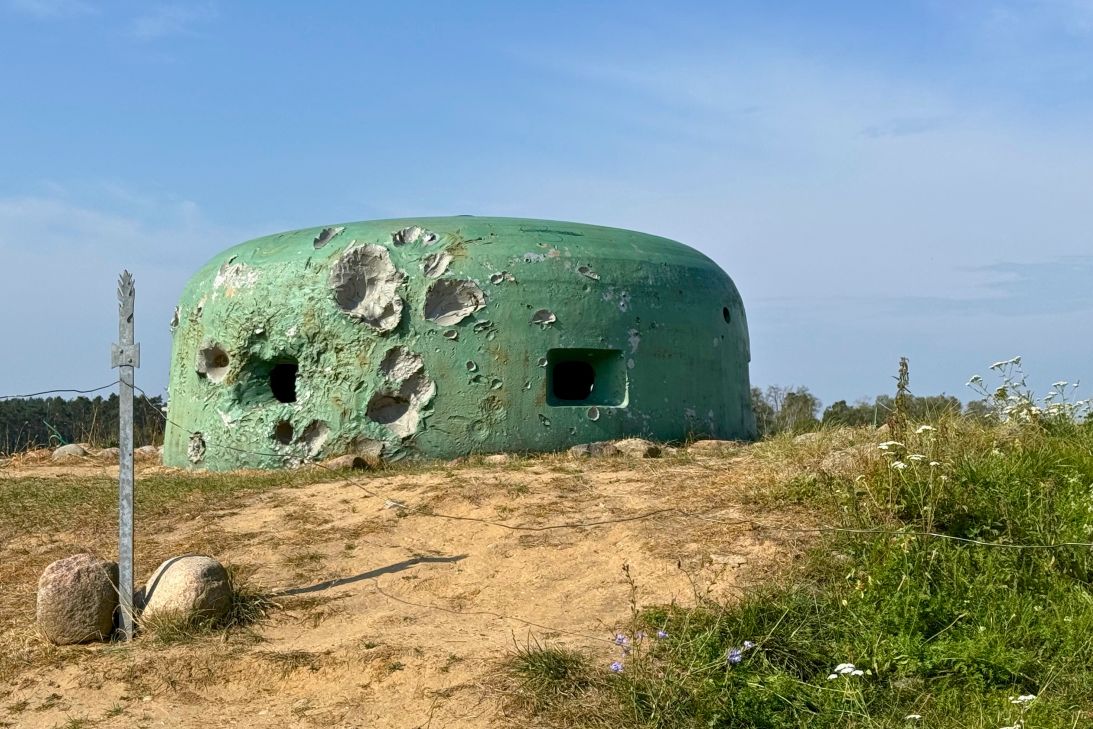
From the outside, the entrance bunker looks almost cartoonish, topped with green, mushroom-shaped cupolas. Inside, the air is cold and damp but surprisingly hospitable.
“The Nazis planned this complex for long-term stay for soldiers, so everything is constructed to make it more habitable,” says Mikolaj Wiktorowski, a guide at the museum and a local history enthusiast.
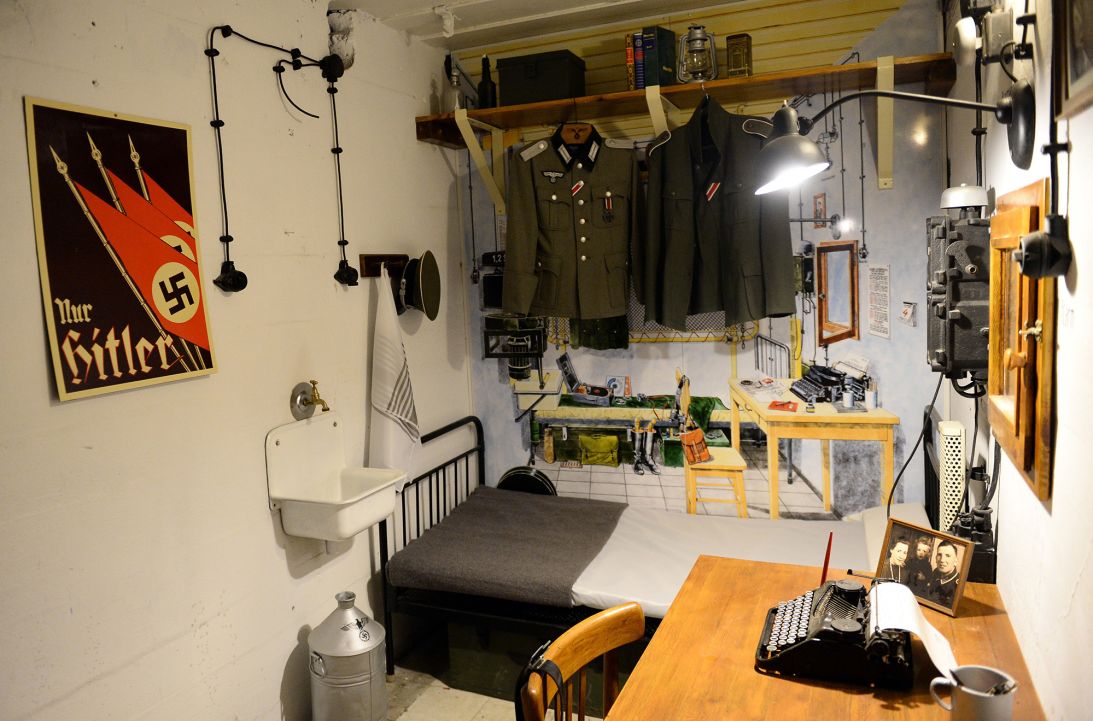
Life underground has been partially re-created: mannequins in uniform stand guard in administrative rooms and sleeping berths, even outside a toilet, evoking the daily rhythms of a vanished garrison.
The most striking moment comes at the main shaft, a yawning chasm that drops deep into the earth.
For something constructed nearly a century ago, it’s an impressive feat of engineering. The descending staircase is built with the chillingly smooth precision for which many Nazi megastructures are renowned. It leads down to a wide central tunnel lined with railway tracks and pipes.
Lurking in the shadows
Standing 130 feet below ground, in a corridor vast enough for trains and military vehicles, is surreal — at once awe-inspiring and unsettling. The farther into it you go, the colder it becomes, with an atmosphere that evokes “Fallout” or “The Last of Us.” No mutants or zombies here, but winged creatures lurk in the shadows.
Nobody knows exactly when bats first colonized the tunnels, but by the 1970s, scientists began recording colonies. Today, 12 species hibernate here.
“The bats found these tunnels and loved the stable temperature, entering the system through surface bunkers and ventilation shafts,” explains Wiktorowski. “During the hibernation period in late autumn and winter, their number can exceed 40,000.”
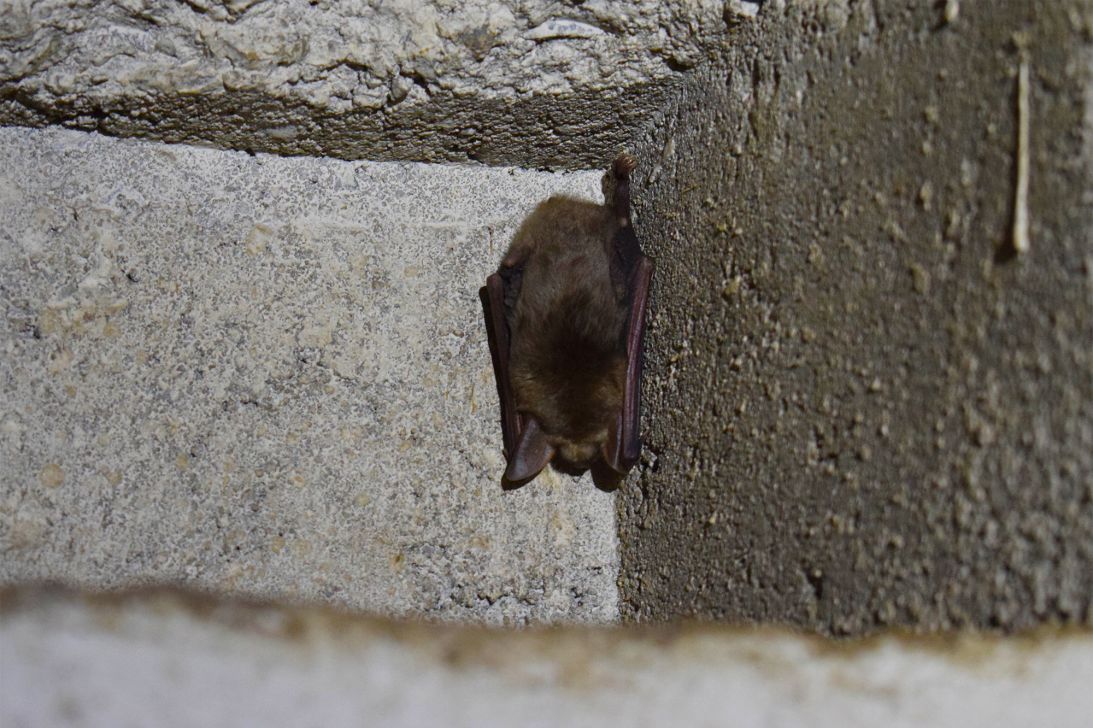
For visitors, their presence is hard to ignore. Bats flit suddenly out of the dark, their high-pitched squeaks echoing against the concrete. Others dangle motionless from the vaults, asleep. During hibernation season, the museum limits access to give them respite.
The bats aren’t the only ones to have claimed the Ostwall. In the late 20th century, the tunnels became home to a subculture known as the Bunker People.
The movement was born here, says Mikolaj Wiktorowski. “It started in the early ’80s and reached its peak in the late ‘90s.”
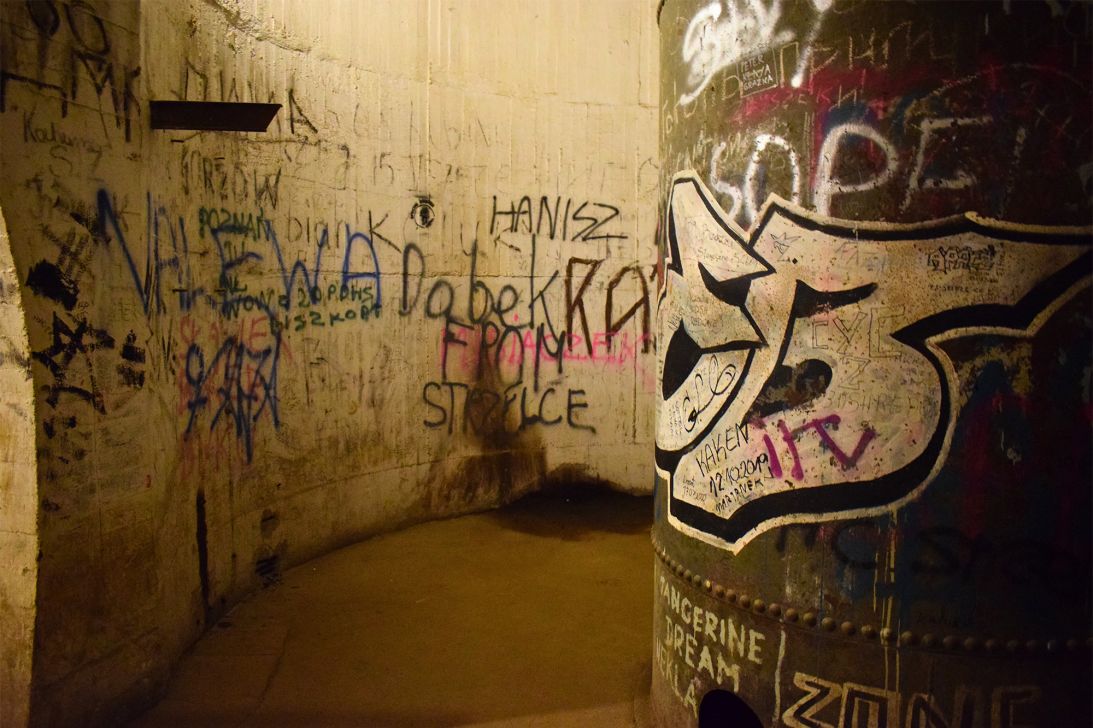
They held raves, celebrated weddings, and railed against authority in this unlikely underground venue. But the labyrinth was dangerous: At least five people died in accidents, from falls down shafts to fires sparked by careless smoking.
The graffiti they left — declarations of love, crude sketches, anti-communist slogans — still covers the walls, lending color to the otherwise gray passageways.
“The graffiti are the soul of this place,” says Wiktorowski, who photographs the artwork and writing and hopes to publish a book about it. “Without them, we would just have bare, lifeless walls.”
Visitors to the museum can choose from three tours: “short” (1.5 hours), “long” (2.5 hours) and “extreme” (3 to 8 hours). They can also opt for an underground electric train journey and a ride in a BTR-152, a 1950s Soviet armored personnel carrier, for an extra dose of atmosphere.
The museum is now the most visited site in Poland’s Lubusz region. But the area holds other surprises.
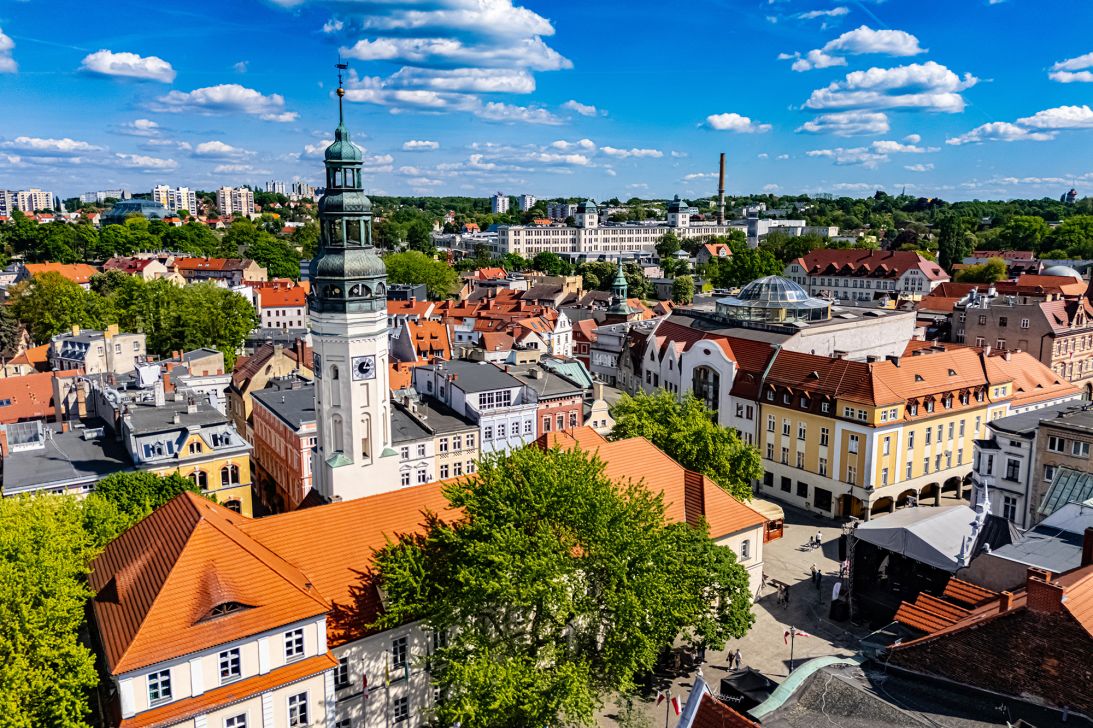
Zielona Gora, the capital, is often called “Polish Tuscany,” for its vineyards and landscapes. Each September, the Winobranie Wine Festival celebrates the produce of the region’s 40 wineries.
And outside the town of Świebodzin, with arms spread wide, looms what is claimed as world’s tallest statue of Jesus Christ — 172 feet high, nearly 10 feet taller than its counterpart in Rio de Janeiro.
Here, short distances connect startlingly different experiences: a plunge into Nazi tunnels, an encounter with Europe’s largest bat colony, a gaze upward at Jesus, and, finally, a glass of local wine in the evening.