
Published on
September 13, 2025

Perched within the postcard-perfect Gargano promontory, the ancient town of Monte Sant’Angelo is quietly transforming into one of Southern Italy’s brightest cultural magnets. Its weathered stone streets, undulating olive-covered hills, and centuries of deep spiritual lore conspire to enchant all who wander here. In recent seasons, the town has not merely welcomed visitors; it has engaged them, foregrounding revitalized traditions celebrated by UNESCO and by carefully stewarded sustainable travel projects. This deliberate unfolding of heritage—replete with candlelit processions in its luminous Sanctuary and lively neighborly festivals—has catalyzed surprisingly swift economic growth and attracted equal measures of national acclaim.
A Cultural Renaissance: Monte Sant’Angelo as Puglia’s Cultural Capital
Monte Sant’Angelo’s cultural transformation began with its recognition as the “Capital of Apulian Culture” for 2024. This prestigious title, bestowed by the Regional Council of Puglia, underscores the town’s rich cultural heritage and commitment to preserving its historical landmarks. The town has since become a hub for cultural activities, offering visitors a glimpse into its medieval past through festivals, art exhibitions, and performances that celebrate the region’s history and traditions.
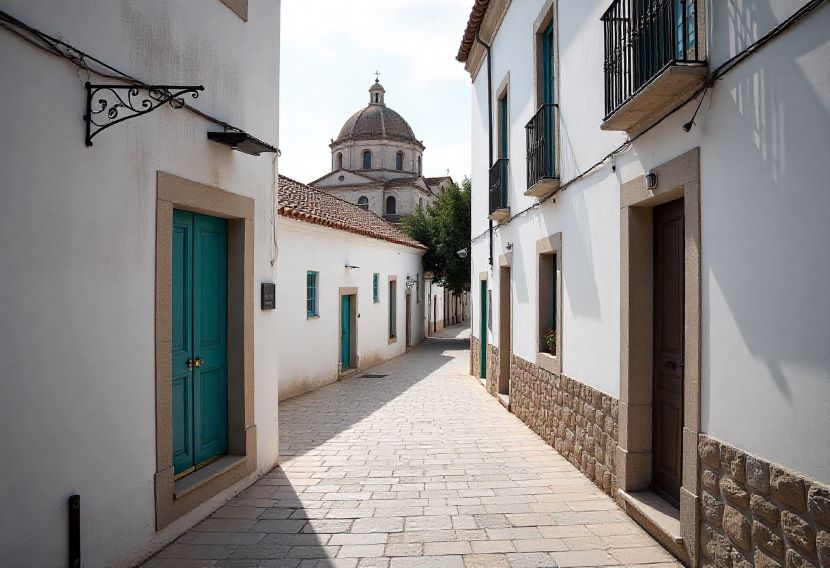
This cultural renaissance includes a concerted effort to revitalize its historical sites, with projects aimed at preserving the town’s medieval architecture. Notable landmarks such as Rione Junno, the town’s medieval quarter, have been carefully restored, allowing visitors to wander through narrow cobblestone streets flanked by whitewashed houses and picturesque views. These renovations, funded by regional and EU programs, not only enhance the visitor experience but also contribute to the town’s broader goal of sustainable tourism.
The region’s growing reputation as a cultural destination is reflected in the rise of artisanal shops, boutique hotels, and local eateries offering traditional Puglian cuisine. As more travelers seek authentic, off-the-beaten-path destinations, Monte Sant’Angelo’s unique blend of historical charm and cultural authenticity has positioned it as an emerging leader in the Italian tourism sector.
Spiritual Tourism: The Sanctuary of San Michele Arcangelo
One of the town’s most significant tourist draws is the Sanctuary of San Michele Arcangelo, a UNESCO World Heritage Site dating back to the 5th century. The sanctuary, renowned for its connection to St. Michael the Archangel, has been a major pilgrimage site for centuries and continues to attract visitors from across the world seeking spiritual enrichment.
The sanctuary’s Grotto of St. Michael, where the archangel is believed to have appeared, holds both religious and historical significance, making it a key stop for those exploring Italy’s spiritual landmarks. Pilgrims and tourists alike descend 86 steps to reach the sanctuary, where they are greeted by the profound silence of the sacred space, adorned with ancient murals and inscriptions. The site’s UNESCO recognition has helped bolster its visibility and attract a global audience interested in Italy’s religious history.
In addition to its spiritual importance, the sanctuary is part of a wider network of religious sites across Italy, including the famed Via Francigena pilgrimage route, which passes through Monte Sant’Angelo. As spiritual tourism continues to grow, the sanctuary plays a pivotal role in the town’s tourism economy, with religious events and annual festivals bringing large crowds to Monte Sant’Angelo throughout the year.
Nature and Eco-Tourism: The Umbra Forest and Gargano National Park
Monte Sant’Angelo’s strategic location near the Umbra Forest—a UNESCO World Heritage Site—also makes it a prime destination for eco-tourism. The Gargano National Park, encompassing the forest and its surrounding landscapes, offers a diverse range of outdoor activities for nature lovers. Hiking, cycling, and birdwatching in the park’s lush forests, with towering oaks and pristine streams, draw travelers seeking a nature-filled escape.
As part of its commitment to sustainable tourism, Monte Sant’Angelo emphasizes eco-friendly practices in its tourism initiatives. The town works closely with local environmental organizations to ensure that tourism development does not harm its natural surroundings, particularly the delicate ecosystems within the Gargano National Park.
The park is home to a rich variety of flora and fauna, making it a hotspot for biodiversity and outdoor adventure. Visitors can explore the Umbra Forest on well-marked trails, each offering a unique perspective of the park’s beauty. With Italy increasingly focusing on sustainable tourism, Monte Sant’Angelo’s proximity to natural sites like the Gargano ensures it remains an attractive destination for those prioritizing eco-conscious travel.
Economic Impact: How Tourism is Revitalizing Monte Sant’Angelo
Tourism’s economic impact on Monte Sant’Angelo has been profound. As more visitors flock to this hidden gem in Puglia, local businesses are thriving. Small shops selling handcrafted goods, such as leather products and ceramics, have experienced an uptick in sales, benefiting from the growing number of tourists eager to purchase authentic Italian souvenirs. Similarly, the town’s restaurants and cafes, serving traditional Puglian dishes like orecchiette pasta and caciocavallo cheese, have become hotspots for travelers seeking to taste the local flavor.
The town’s focus on sustainable tourism has also helped create new jobs, including positions in hospitality, tour guiding, and local crafts. The growth of the agro-tourism sector, where visitors can experience farm-to-table meals and agricultural tours, has further boosted the local economy. These developments are crucial for Monte Sant’Angelo, as they provide long-term benefits to the community while ensuring that the town’s cultural and natural resources are preserved.
Future Prospects: Sustainable Growth and Cultural Expansion
Looking ahead, Monte Sant’Angelo is on a clear trajectory to cement its status as a leading cultural and eco-tourism destination. By weaving together cultural programming, deepening heritage conservation, and refining visitor facilities, the town is fortifying its identity as a sustainable haven that will enchant future generations no less than it does today.
Key to this vision is the enhanced visibility accorded to its architectural treasures. The Monte Sant’Angelo Castle, for instance, will welcome visitors not only to its storied ramparts but also to café terraces where the valley and sea seem to merge on the same horizon. All this is underscored by judicious investments in low-impact transport, shadows of solar energy, and craftsmanship that employs local stone, thereby demonstrating, on every quiet street, that intimacy and impact can indeed coexist.
