
 Photo: Miguela Xuereb
Leading environmental organisation Flimkien għal Ambjent Aħjar (FAA) warned that the Labour government’s 25-year development plan ignores critical infrastructure failures and population limitations while being undermined by controversial planning reforms that threaten the nation’s environmental future.
In a detailed 35-page submission featuring contributions from prominent academics and professionals, FAA coordinator Astrid Vella acknowledged some positive aspects of the Vision whilst highlighting fundamental shortcomings that could derail Malta’s sustainable development aspirations.
“The 2050 Vision proposals are seemingly very positive,” Vella said, supporting initiatives including heritage building restoration, biofuel introduction, and green public transport development.
However, she warned that “other aspects fall short, as the document’s focus is primarily economic and gives scant attention to key issues like infrastructural problems, especially drains, and is in denial about touristic/population limitations.”
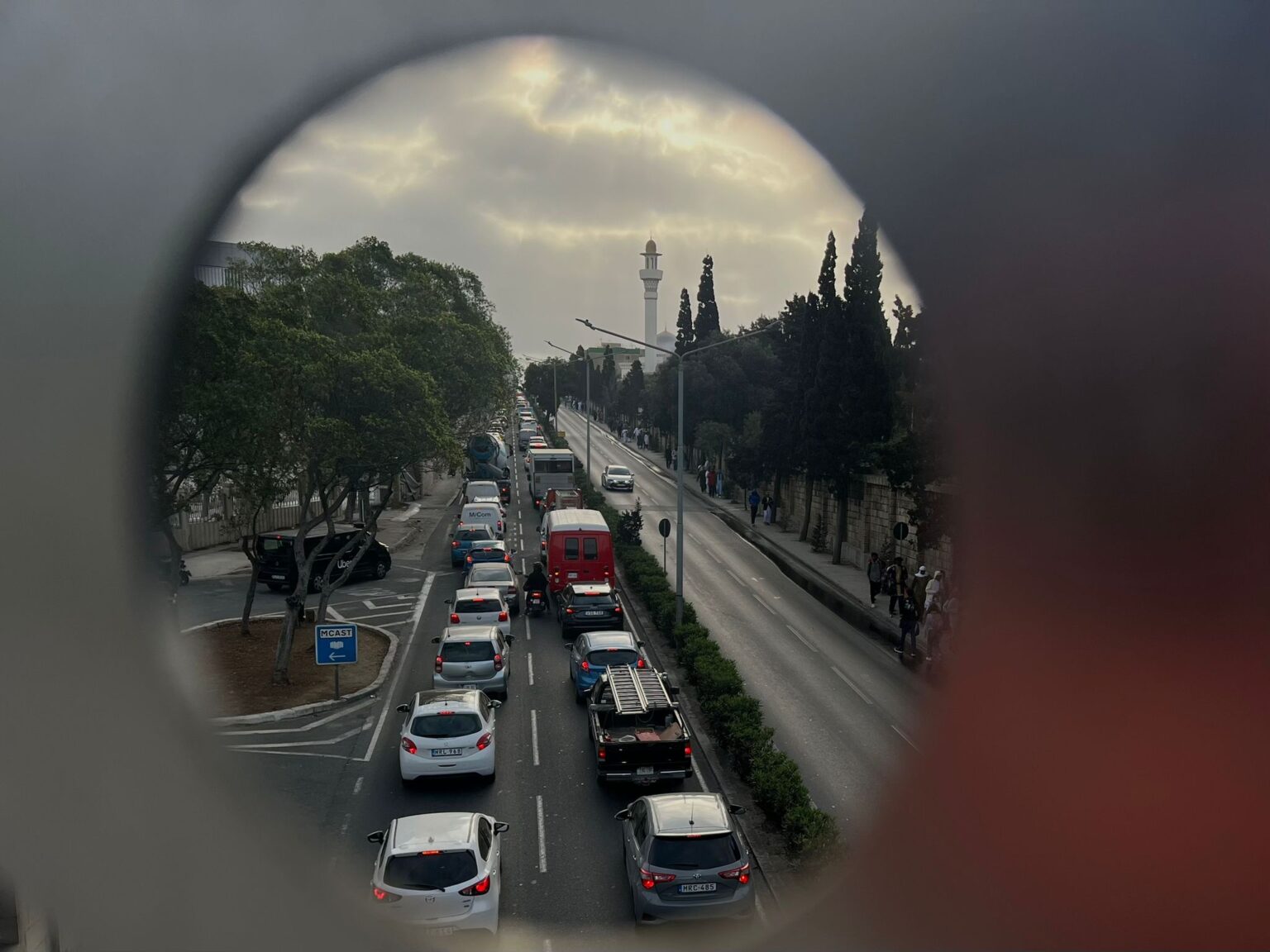
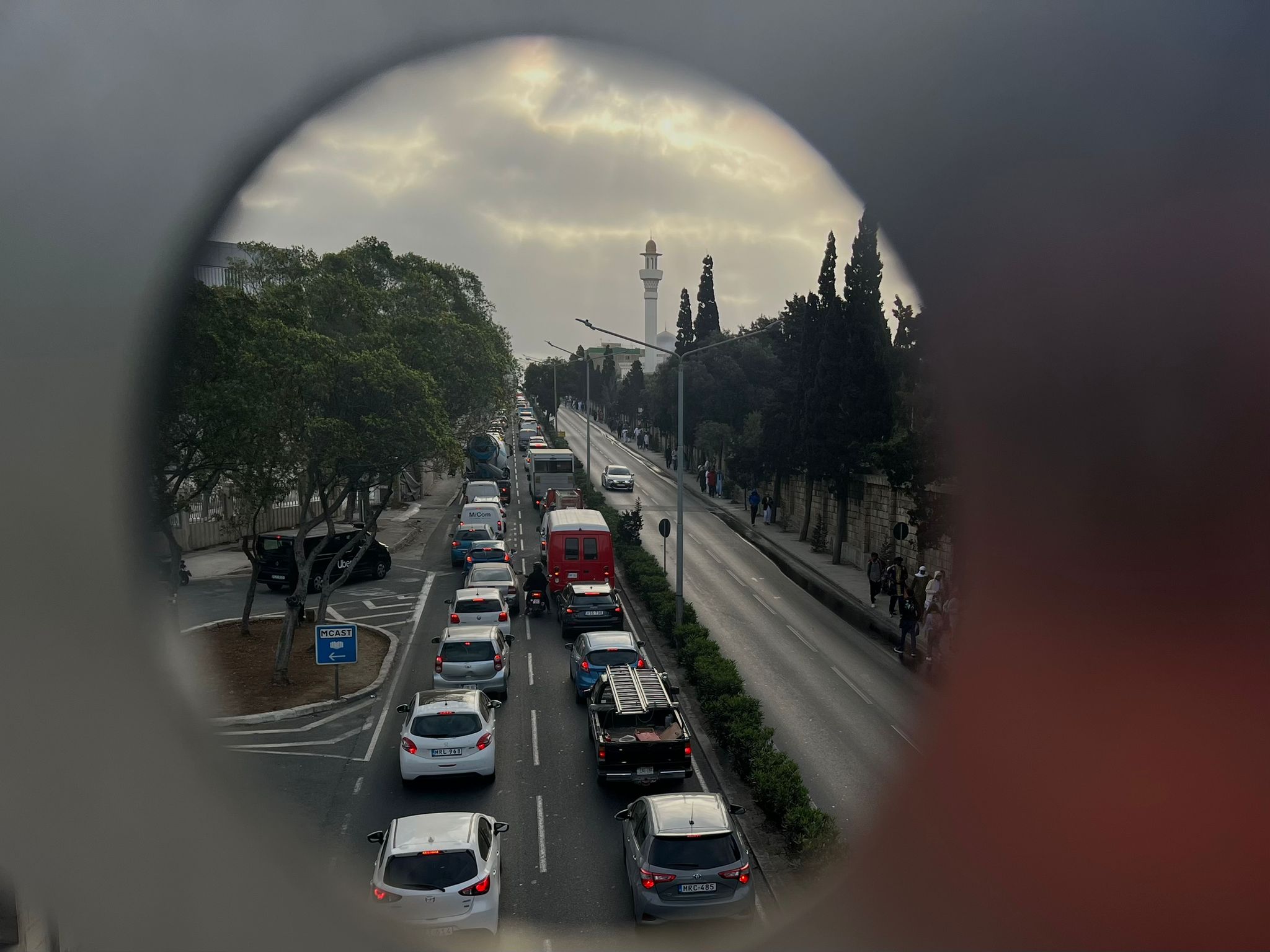
The comprehensive critique of Malta Vision 2050, centres on Malta’s unprecedented population growth, which has surged 30% over twelve years due to foreign workers, placing severe strain on infrastructure including roads, utilities, healthcare, and drainage systems.
Professor Lino Briguglio’s economic analysis warns that this growth model, based on “imported cheap labour,” is increasing property prices, intensifying traffic congestion, and “putting excessive pressure on educational and health facilities.”
Tourism sustainability emerged as another critical concern. Professor George Cassar’s contribution highlighted that Malta’s tourism targets – increasing visitor numbers from 3.6 million in 2024 to 4.5 million by 2035 – would exacerbate existing overcrowding problems. “During high season, Malta’s population reaches 652,000,” creating unsustainable pressure on infrastructure and amenities.
Cassar warned of growing resident frustration similar to that seen in Barcelona, Venice, and the Balearic Islands, stating: “The mushrooming of further catering and hospitality outlets, the occupation of our squares and streets by tables, chairs and tents are challenges that have to be tackled.”
FAA’s infrastructure analysis, conducted by engineer Michael D’Amato, revealed alarming deficiencies across multiple sectors. The drainage system is “overwhelmed by additional loads,” with sewage treatment plants unable to cope with population increases and tourist influxes, resulting in “sea contamination via sewage overflows.”
Water supply faces serious threats from “over-pumping mostly by the private sector who are abusing this public resource of ground water,” whilst electricity distribution struggles to keep pace with development demands. D’Amato concluded: “Economic growth without sustainable infrastructure is reducing, rather than enhancing, our quality of life.”
Construction safety concerns dominated architect Martin Debono’s contribution, which highlighted Malta’s status as “the only EU state without a National Building Code.” Debono warned of “weak structures” built using “inferior and possibly non-EU compliant materials,” noting that completed building codes remain unpublished despite being ready for consultation.
The critique revealed that planning authority reforms pose the greatest threat to Vision 2050’s environmental goals. Bills 143 and 144, currently before parliament, would grant planning boards discretion to ignore policies, allow arbitrary rezoning of protected areas, and provide amnesty for illegal developments up to 2024.
“These laws will also thwart the intended strengthening of digital and civic security, and rebuilding public trust through transparency,” Vella warned, noting that authorities could now “legally hide certain documents, minutes or reports from the public.”
Climate change received particularly sharp criticism for its minimal treatment in the Vision document. Despite being identified as “the greatest threat to Malta’s ecological, human, agricultural and water sustainability,” climate considerations were barely addressed in the government’s planning framework.
Healthcare analysis highlighted additional pressures from population growth, with Malta’s population increasing from 400,000 to over 563,000 between 2000 and 2025. The anonymous medical contributor warned that continued growth would subject healthcare infrastructure to “unprecedented levels of stress,” with prolonged waiting times and bed shortages already creating serious challenges.
Professor Michael Briguglio’s social impact assessment called for mandatory impact studies on all policies, questioning how proposed port expansion and land reclamation align with the Vision’s stated commitment to ecological balance and biodiversity protection.
The Blue Economy section particularly criticised plans that could generate “ecological harm, social injustices, and the marginalization of local livelihoods,” calling for stronger integration of environmental and social concerns in maritime planning.
FAA’s conclusion emphasised the contradiction between Vision 2050’s sustainability aspirations and current planning legislation. “There can be no talk of best practices, law enforcement collaboration and a commitment to transparency and adaptability while Bills 143 and 144 threaten to undermine the whole process,” the organisation stated.
The submission called for mandatory carrying capacity studies, social impact assessments, and integration of UN Sustainable Development Goals into all planning processes. FAA advocated for “a holistic commitment to the quality of the islands’ urban and rural environment” rather than policies favouring “specific interest groups.”

